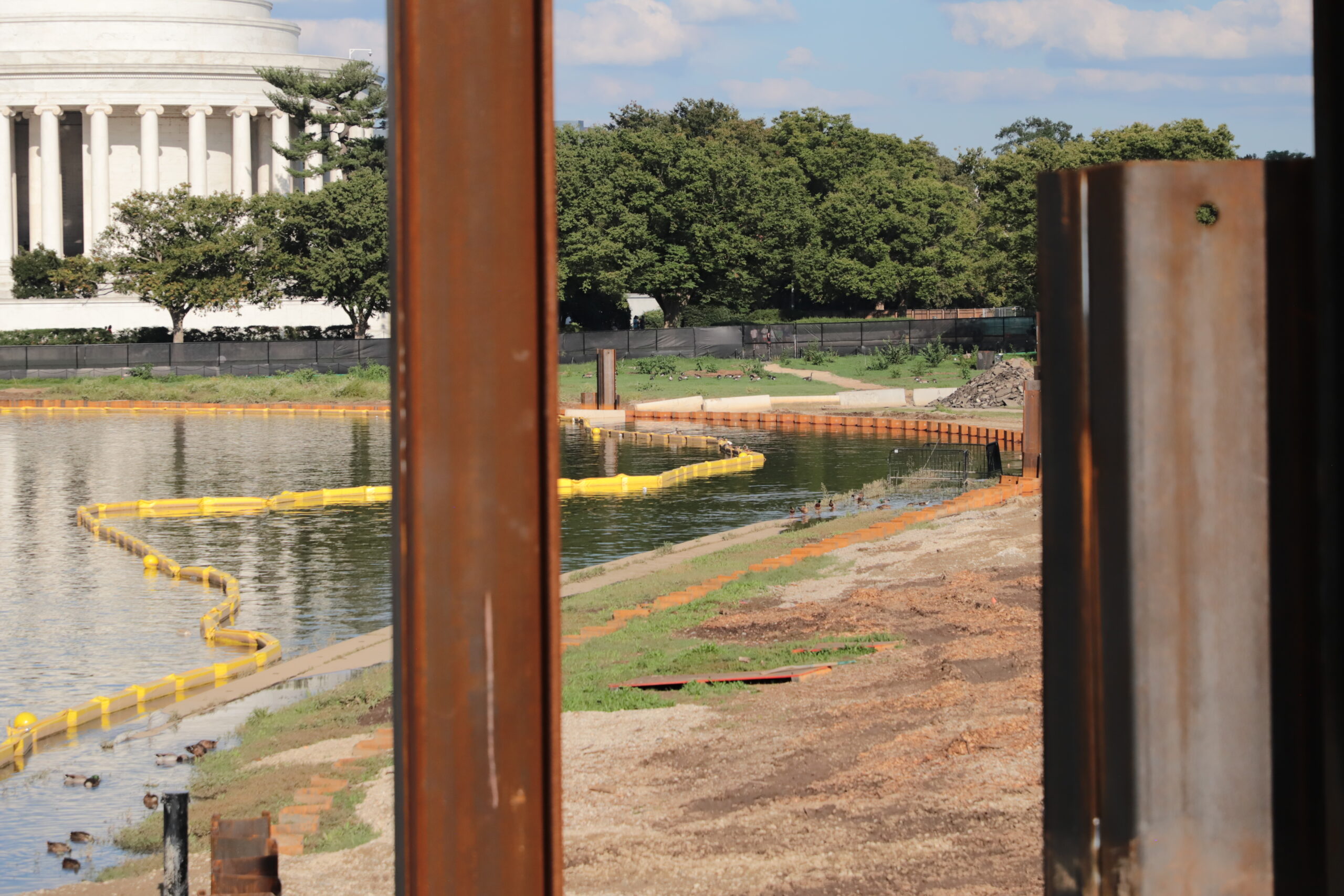
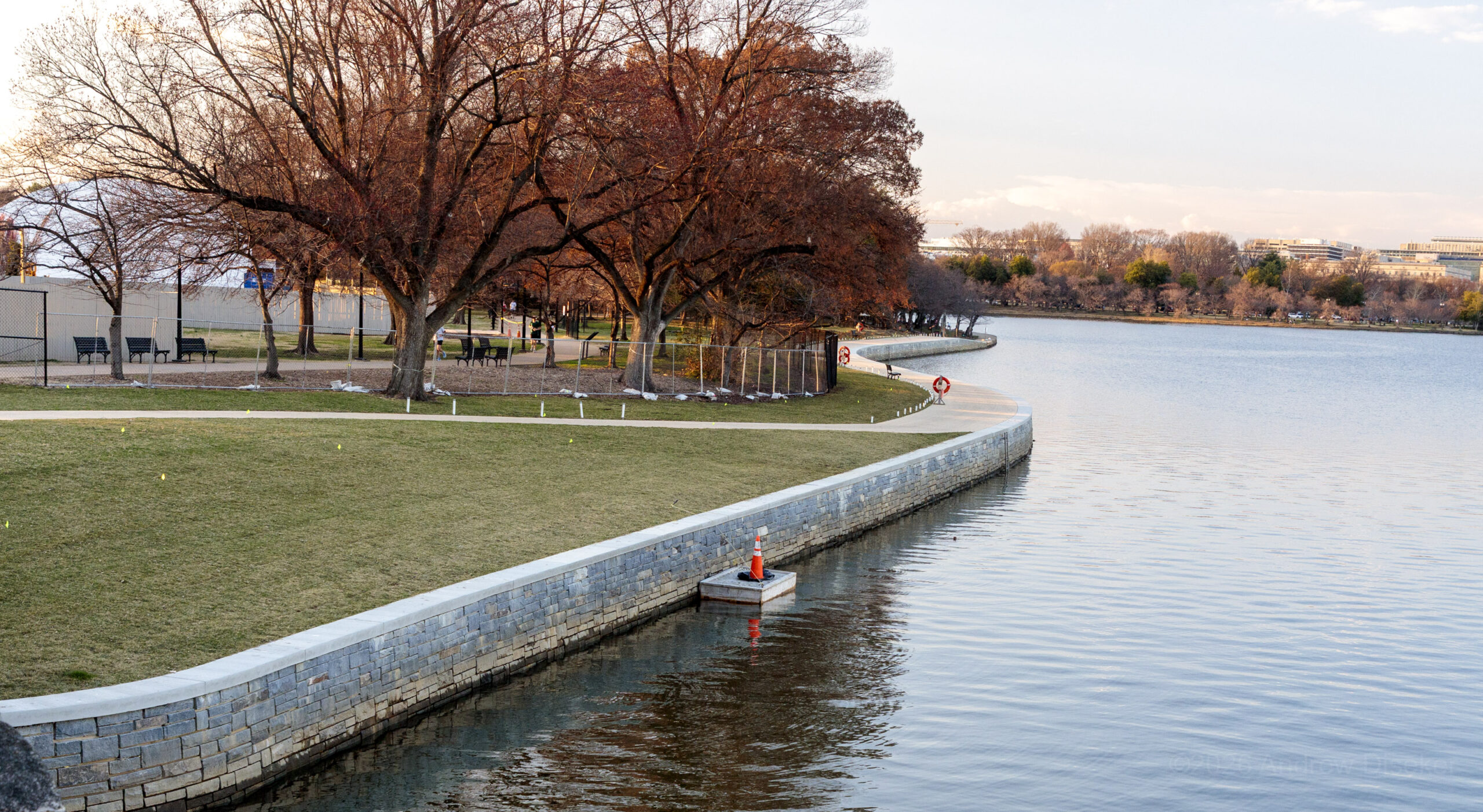
Now that (climatological) Spring has sprung, they’re finally finishing up the reconstruction work on the DC Tidal Basin seawall, which was rebuilt to withstand the high tides better that the 100+ year-old wall. The old wall was constantly being eroded from beneath, because they didn’t know how much the tides ebbing and flowing would affect the rock and soil underneath, This caused it to subside, leaving the cherry trees along the wall exposed to brackish salty water as it flooded higher and higher during each high tide.
Under construction
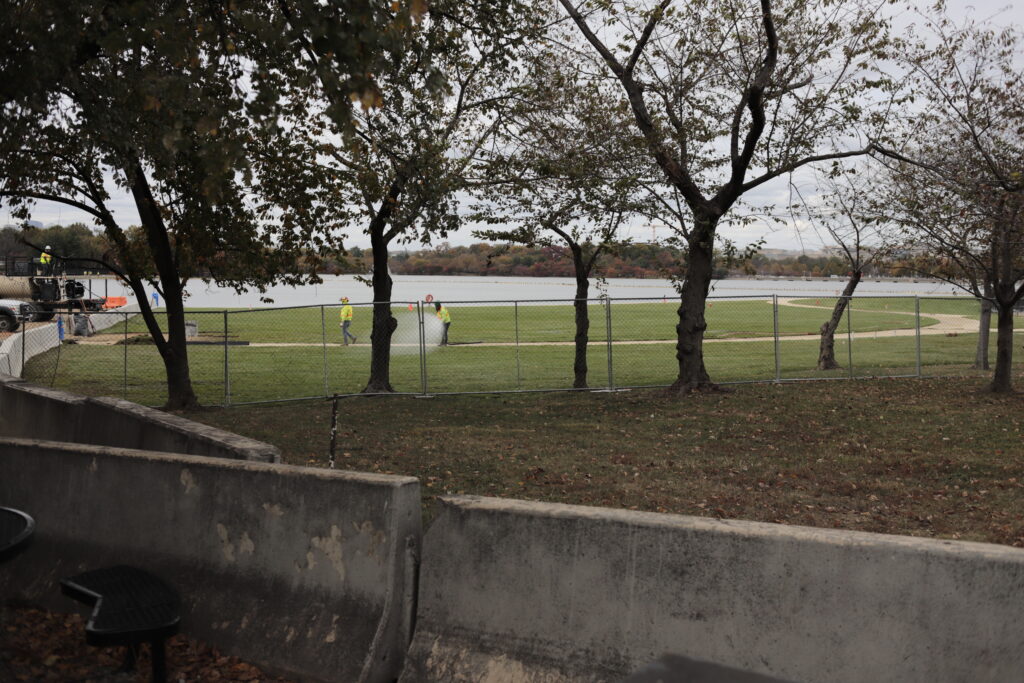
They had to completely dig out the old wall and support, as well as remove the old cherry trees, which couldn’t really be saved due to age and damage. They finished construction on the wall earlier this year, and finished laying new sod along the new walkways just before the snow fell.
Fresh sod, needs to be watered when first laid down.
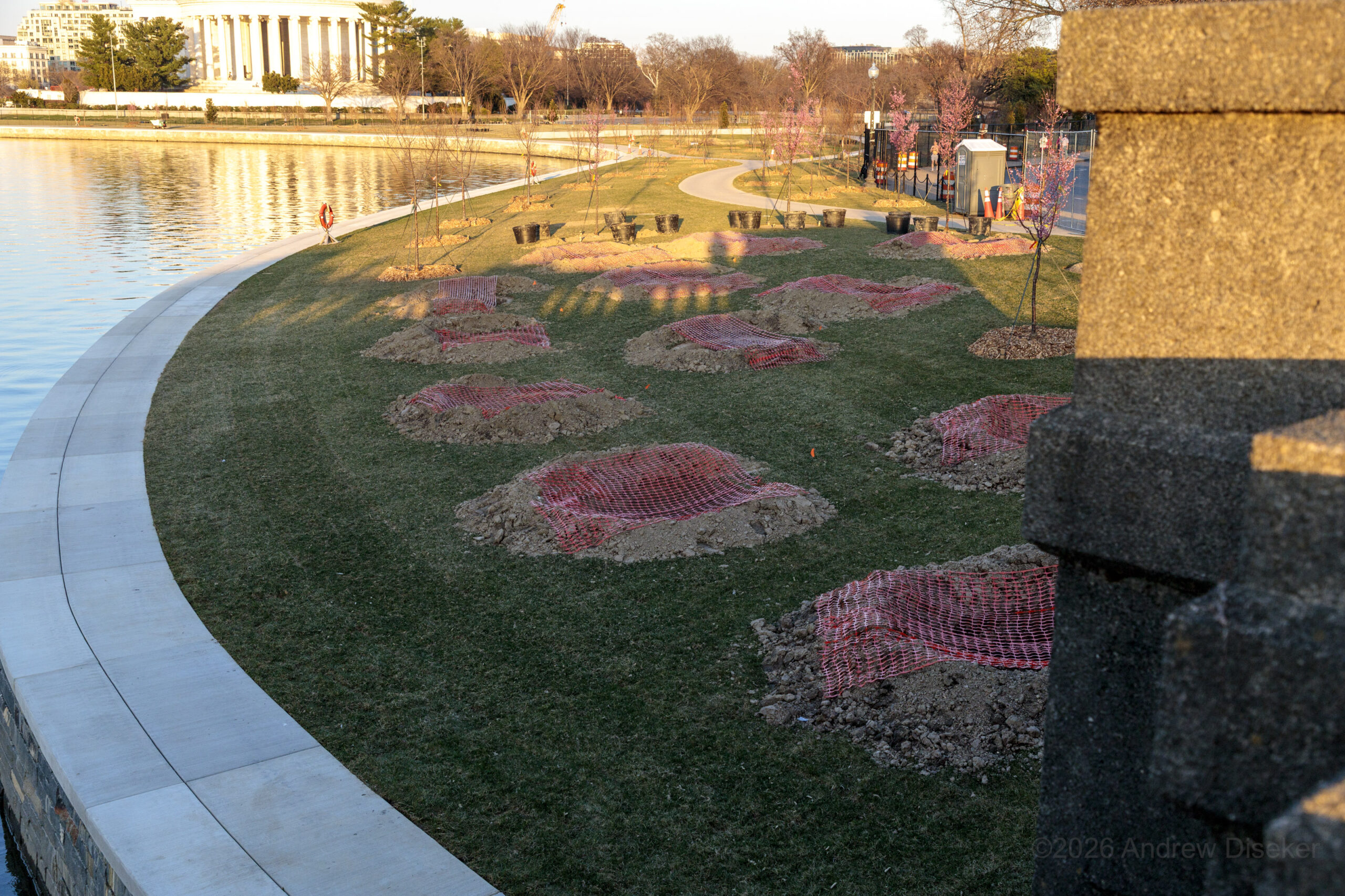
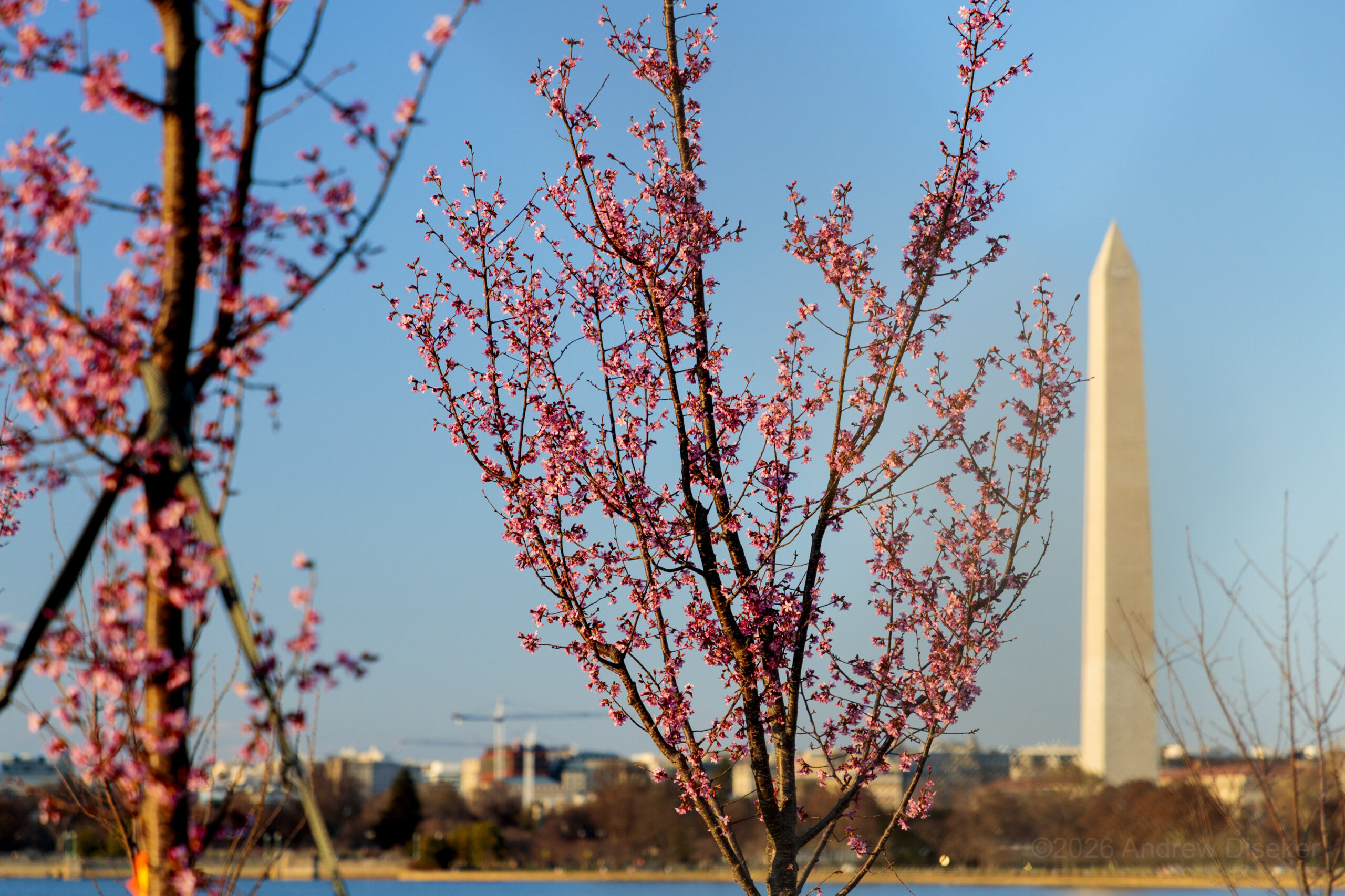
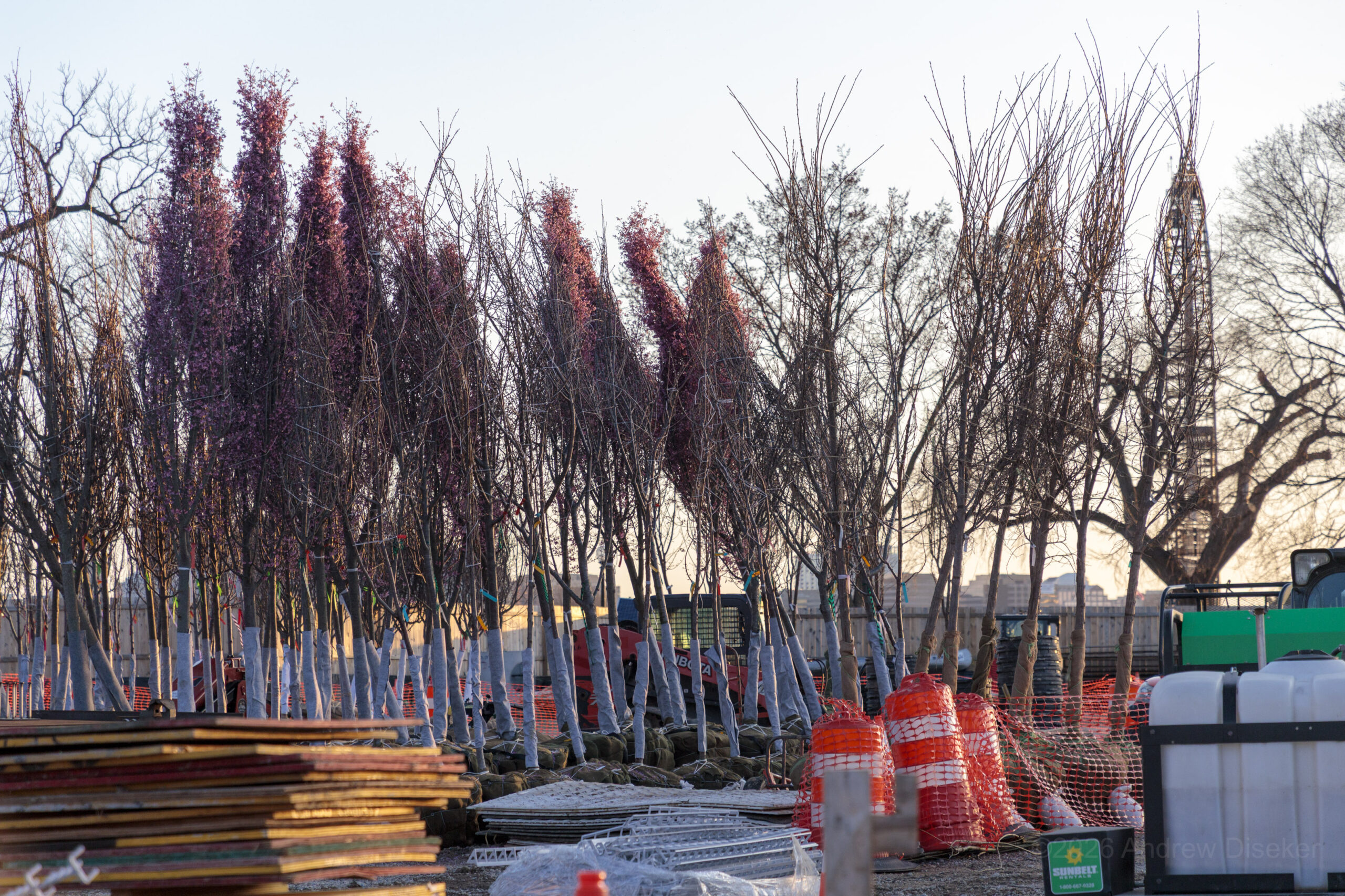
Now that the snow has finally completely melted, they’re planting new cherry trees along the seawall. In honor of the 250th anniversary of the US, the government of Japan donated 250 replacement cherry trees, which more than replace the ones we lost. The original trees were a gift from Japan, and there are several different species that will bloom at different times during the spring, and have different types of blossoms. Some of the trees already have blossoms, although I’m not sure what species of tree they are.
Ready for plantingEarly bloomersReady to go!Next, the flags locate
Only a few more weeks, there are already a few tiny buds on the old trees, I’ll be checking back every few days till then!
Okay, maybe not that much of an upheaval, but I thought I would at least try to start doing more of these, at least on a more timely basis!
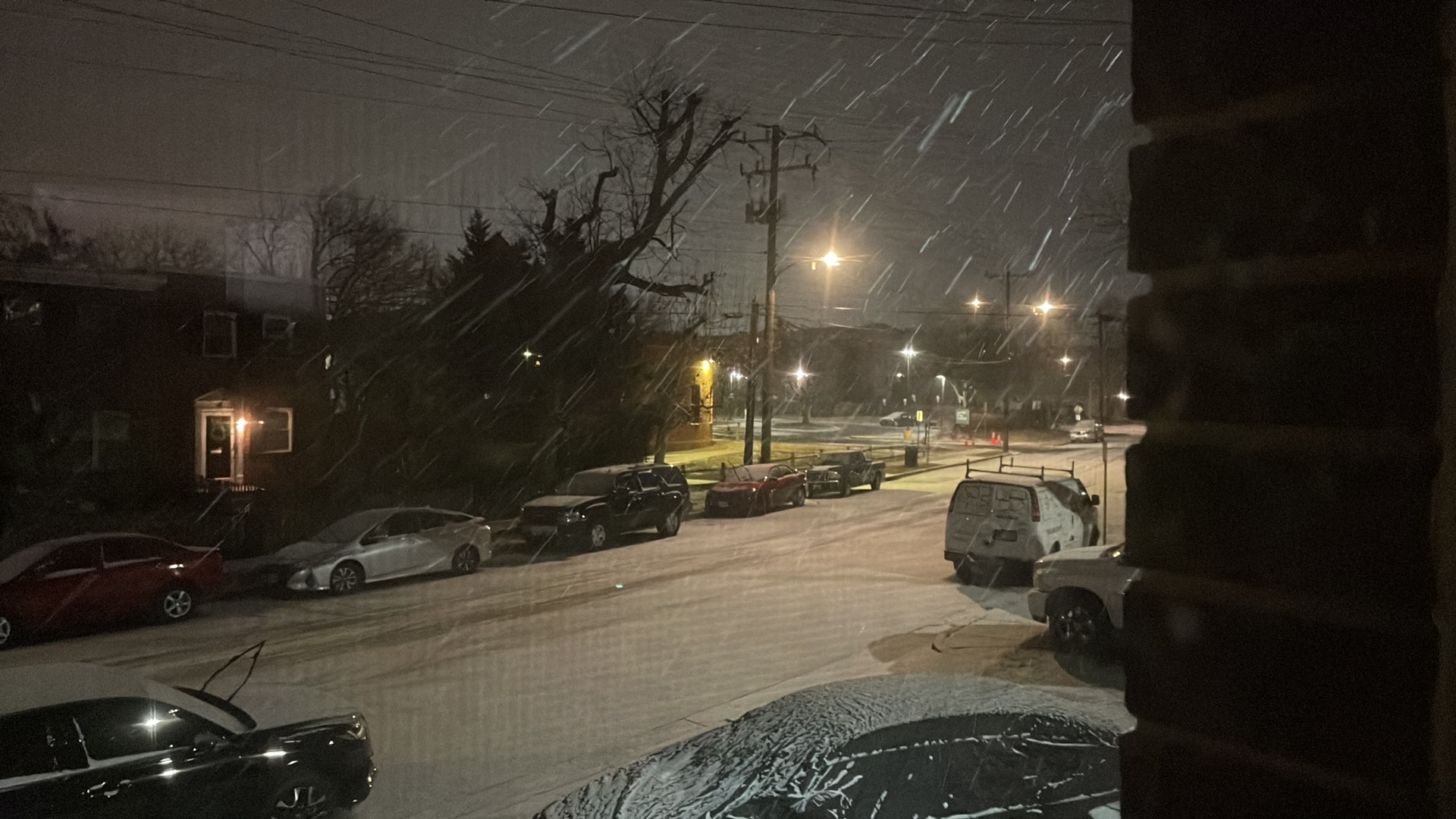
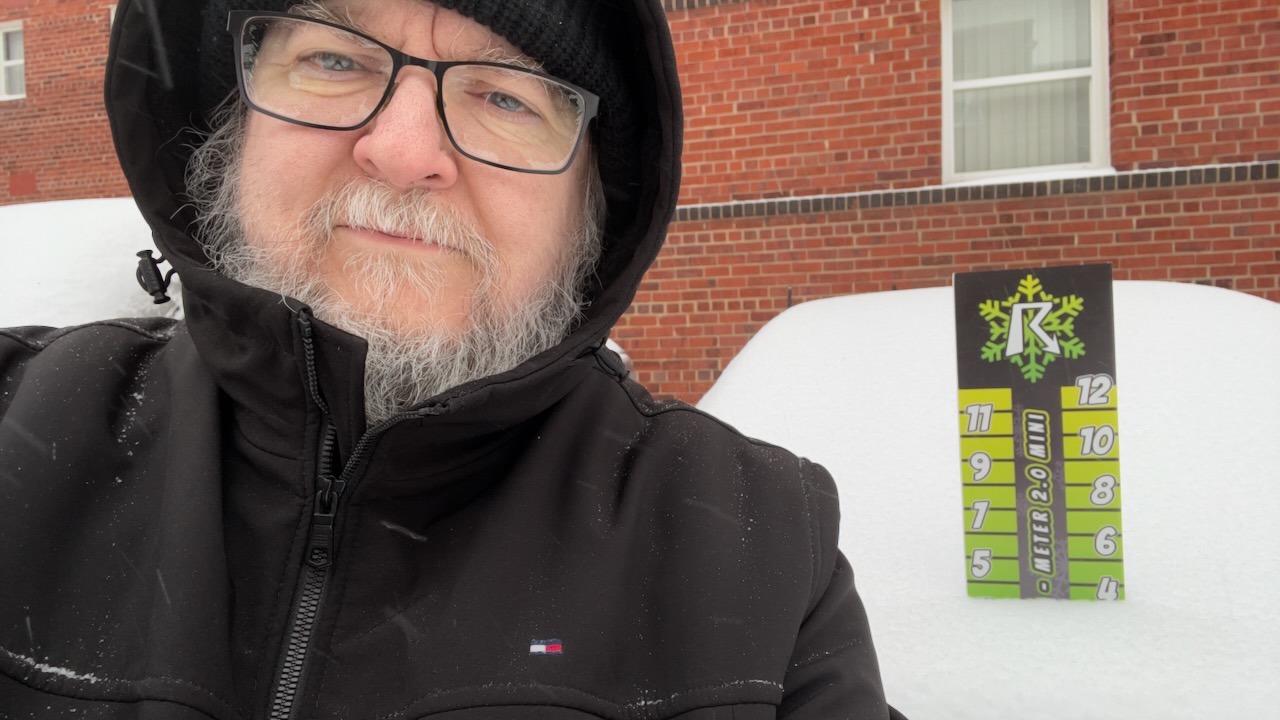
If you haven’t seen the news for the past month, there was a major snow and ice storm a couple of weeks ago, and DC was hit fairly hard, somewhat by snow but mostly by sleet and ice on top of the snow.
The snow and ice comes
We’ve also been mostly below freezing for two weeks, which hasn’t helped, but this past Wednesday the temperature got up to 50 degrees, so I figured I’d go back downtown and walk around a bit. I did that last week, and got some pictures but it was too cold to do much.
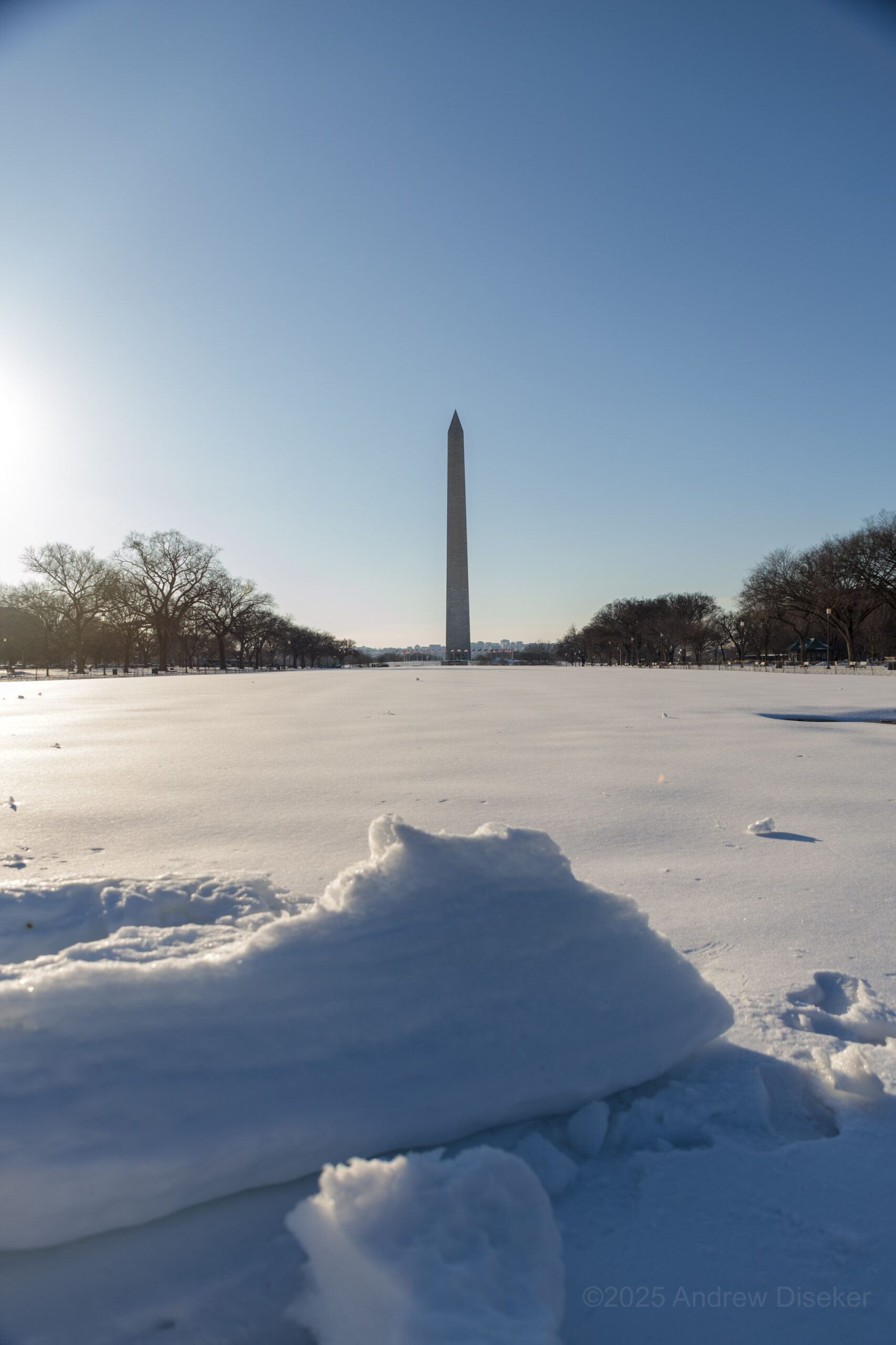
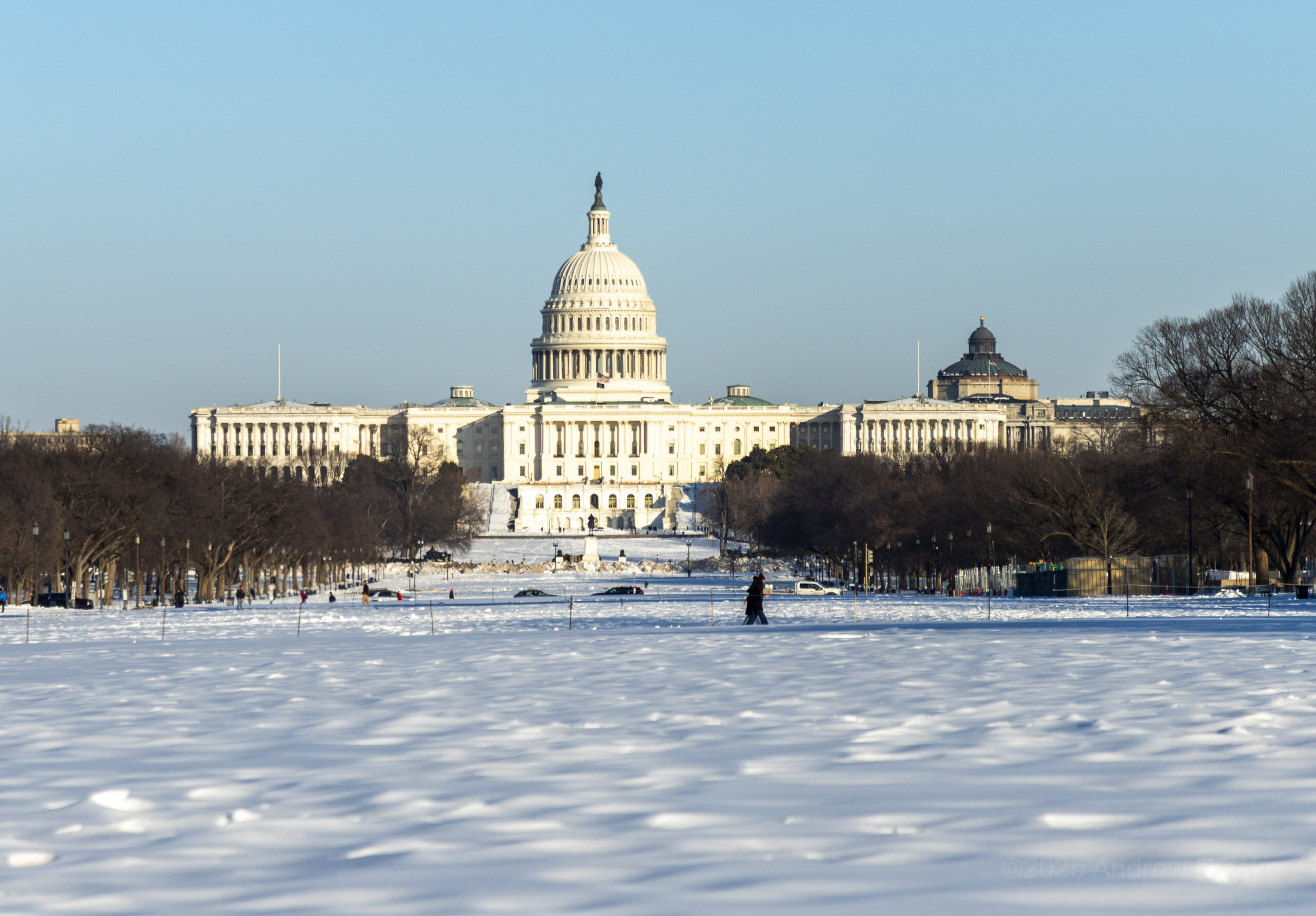
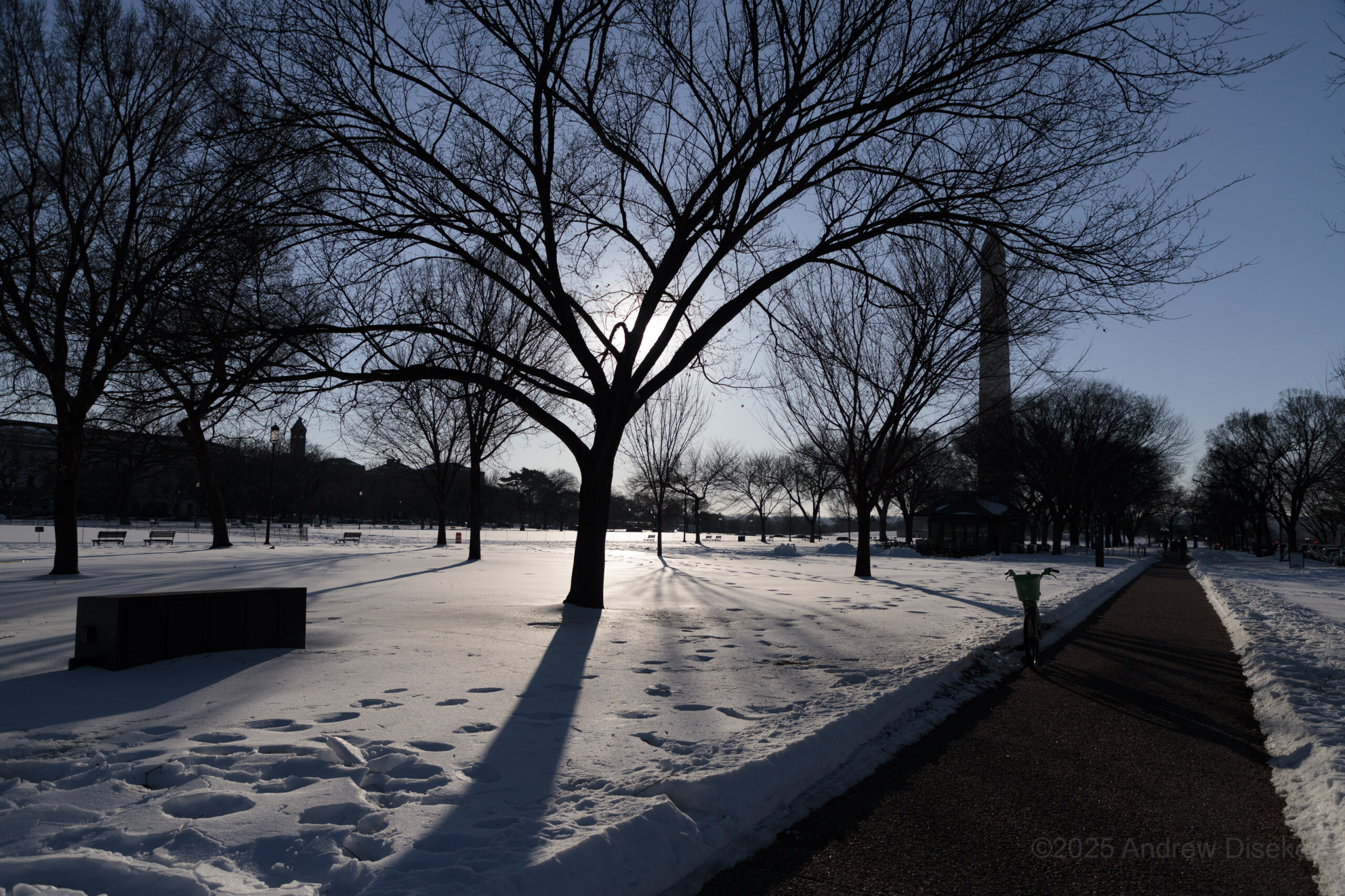
Cold sunshine last week
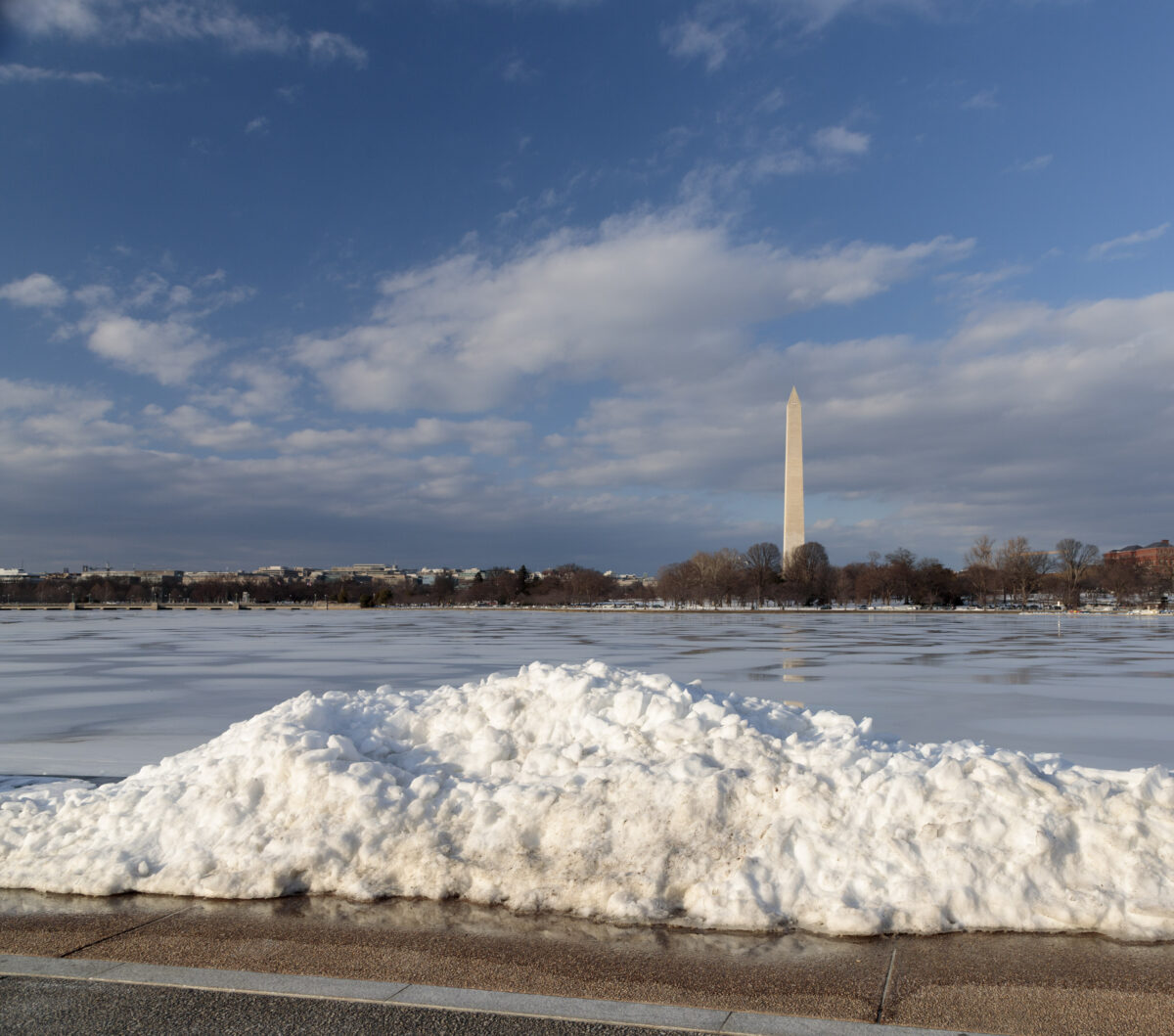
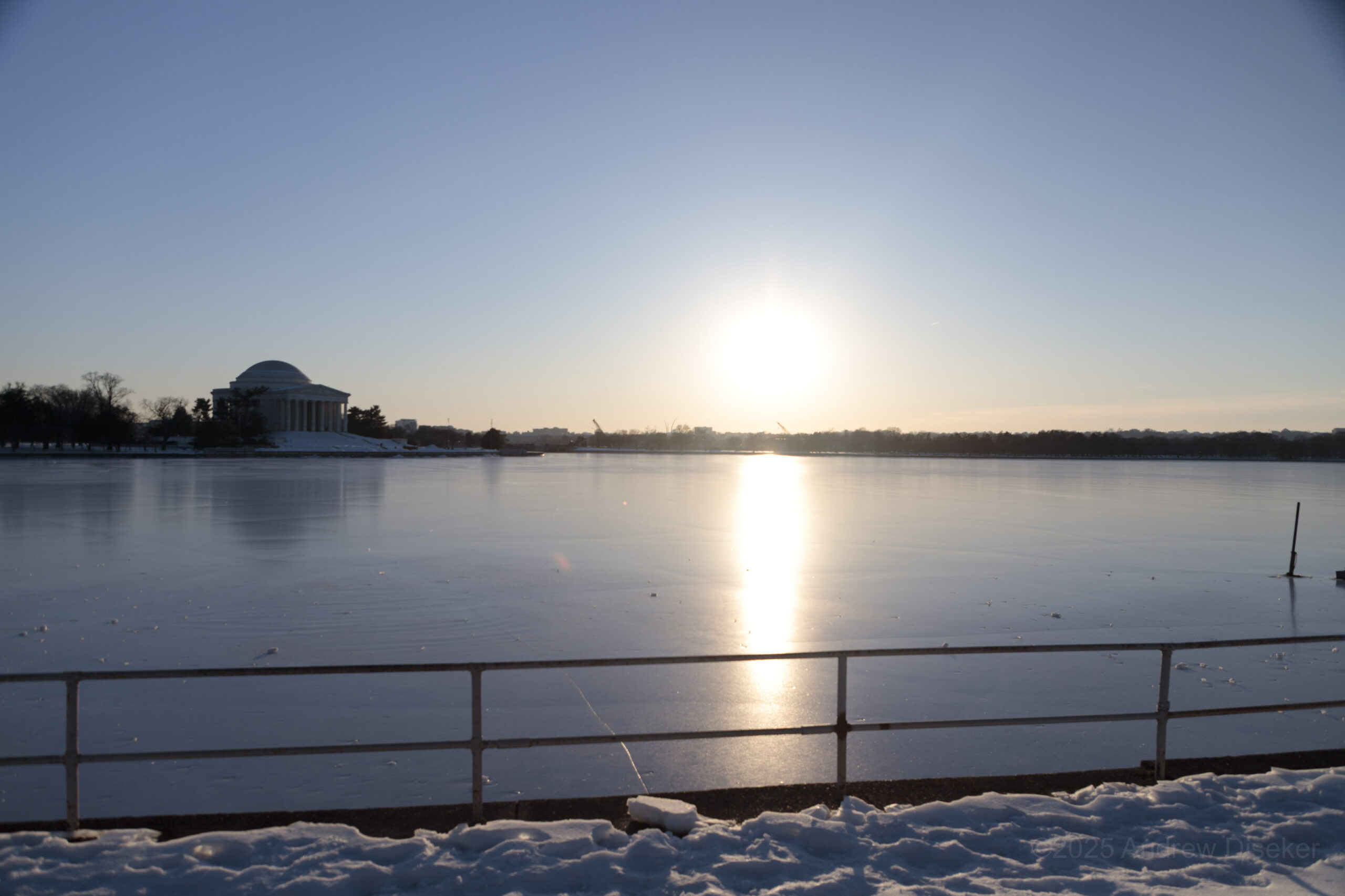
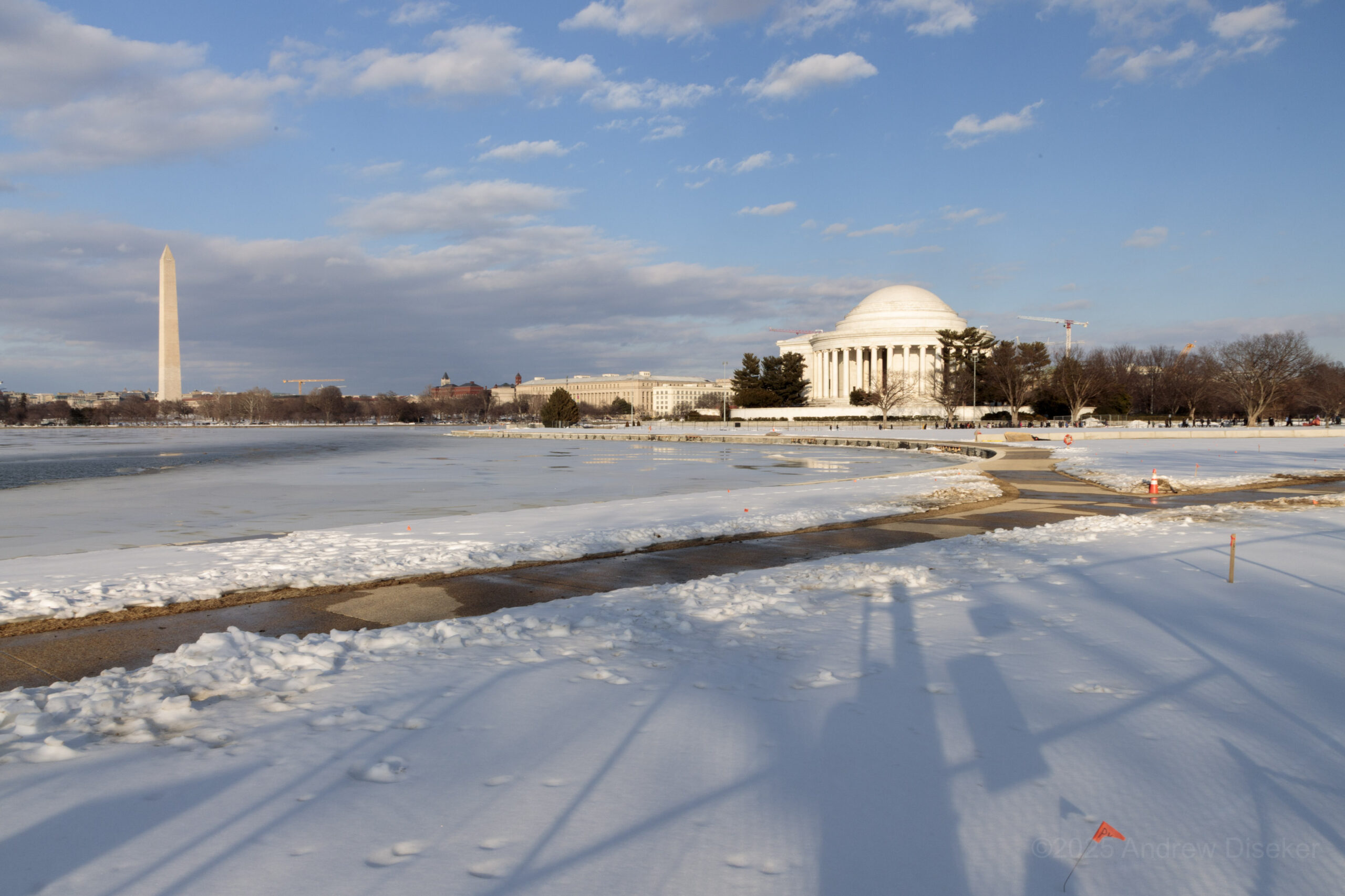
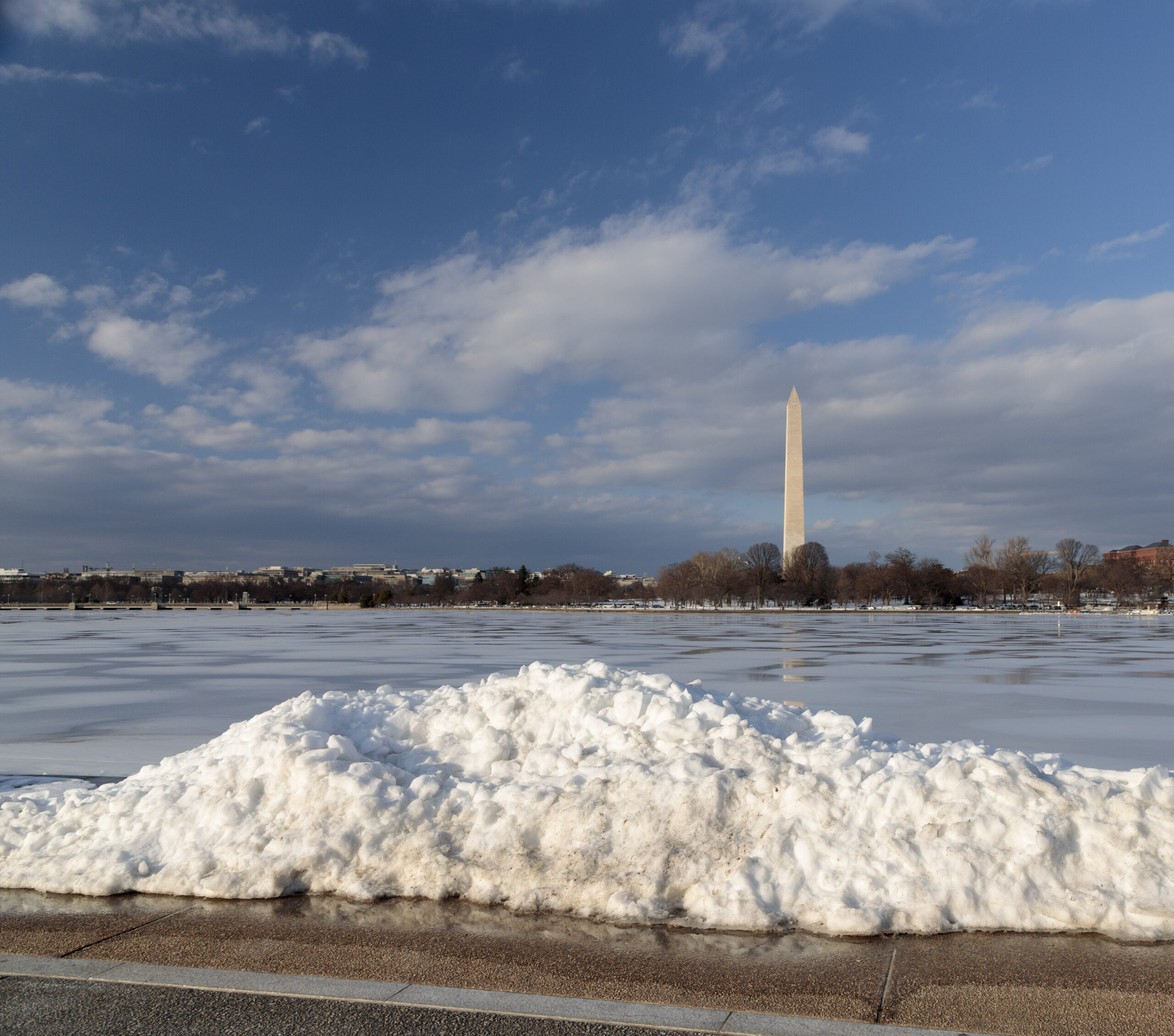
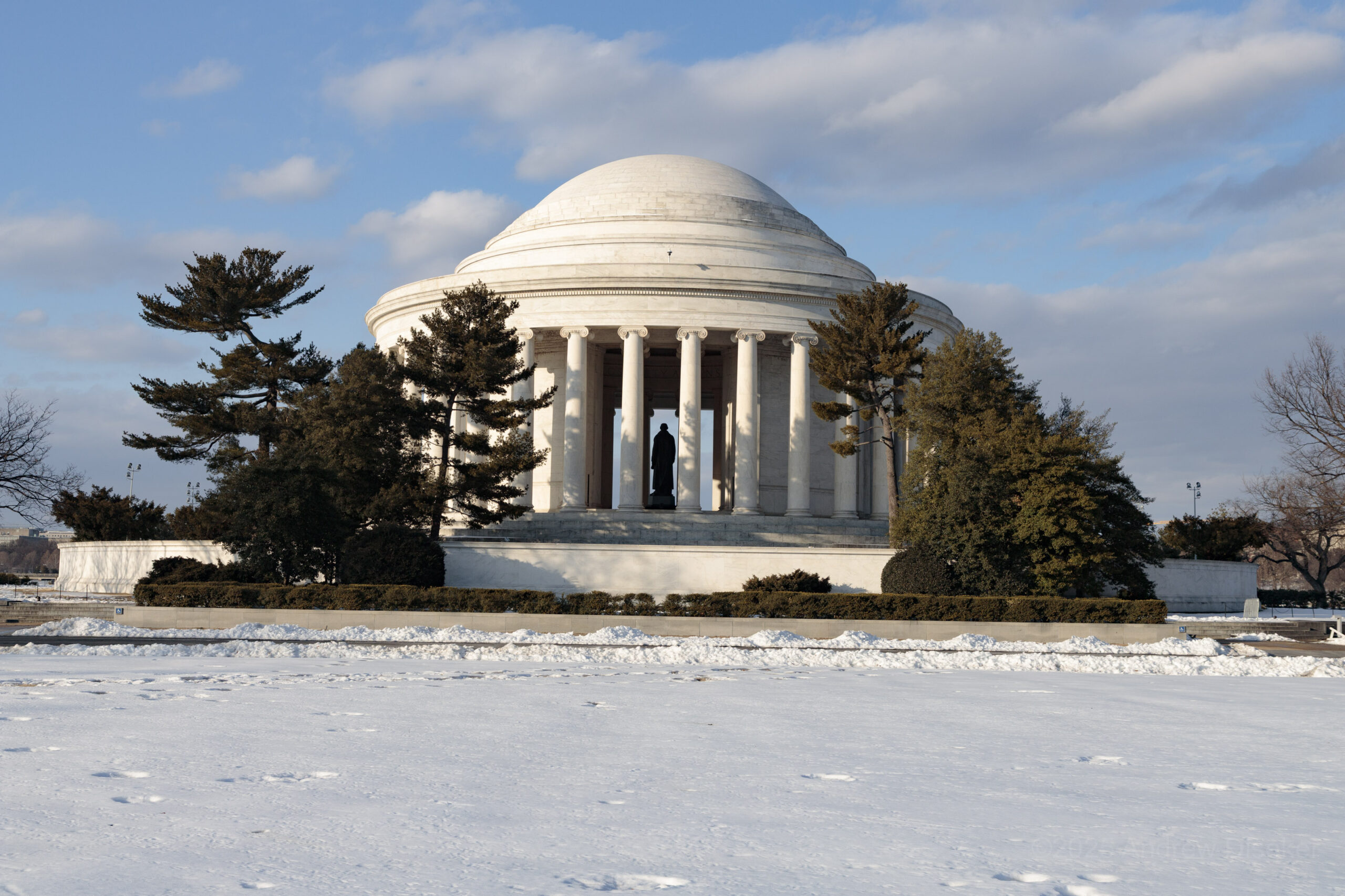
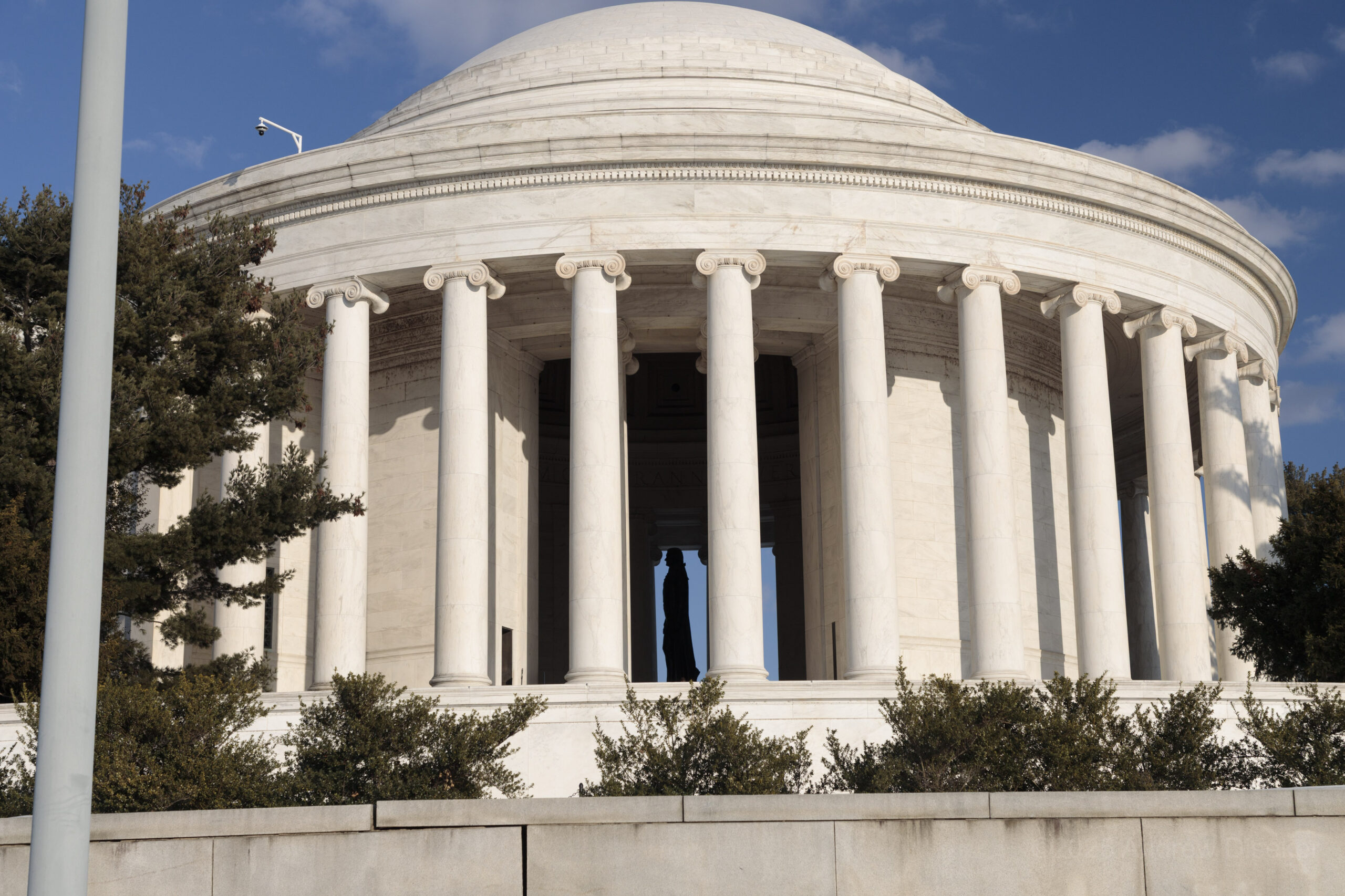
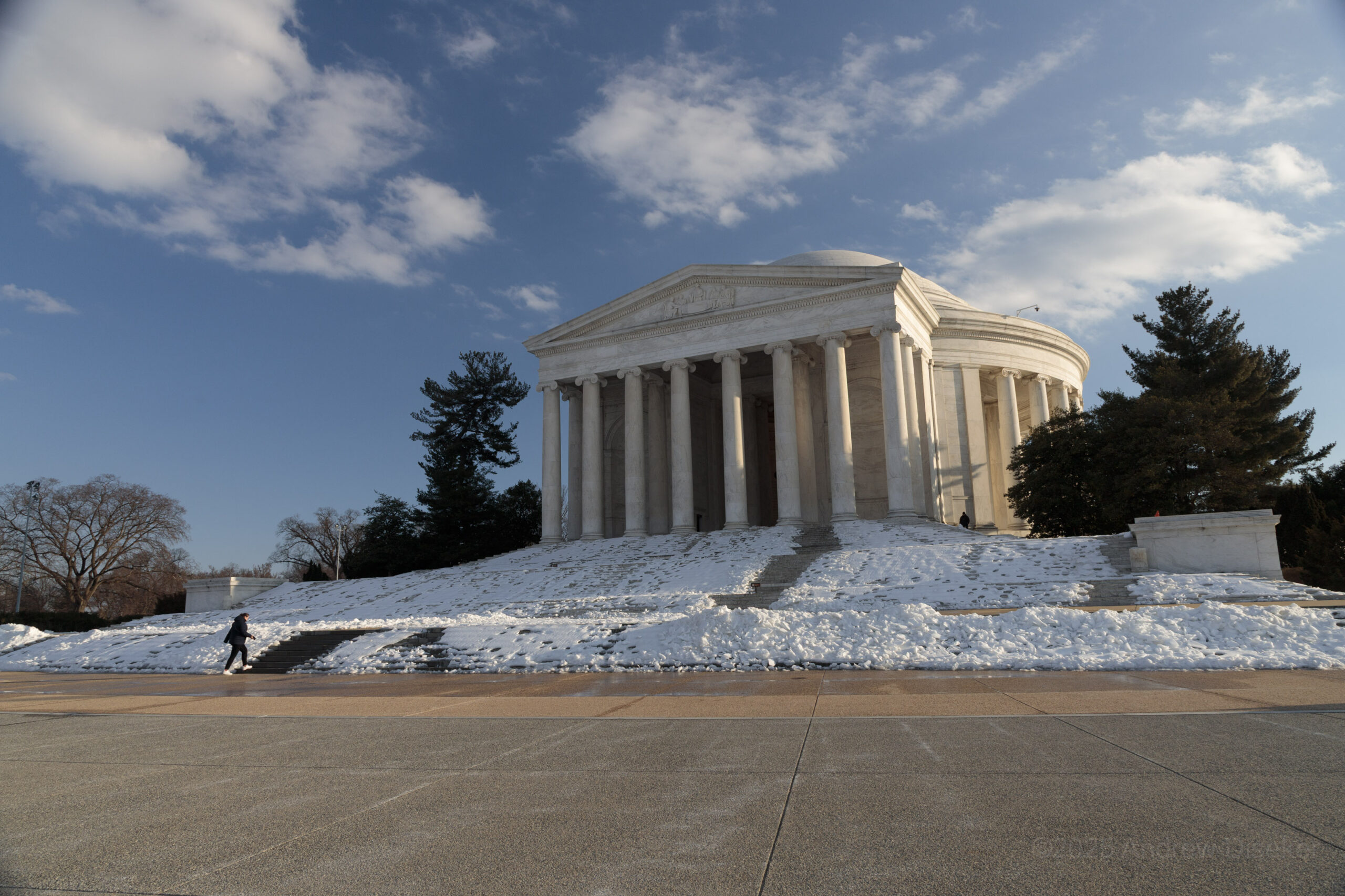
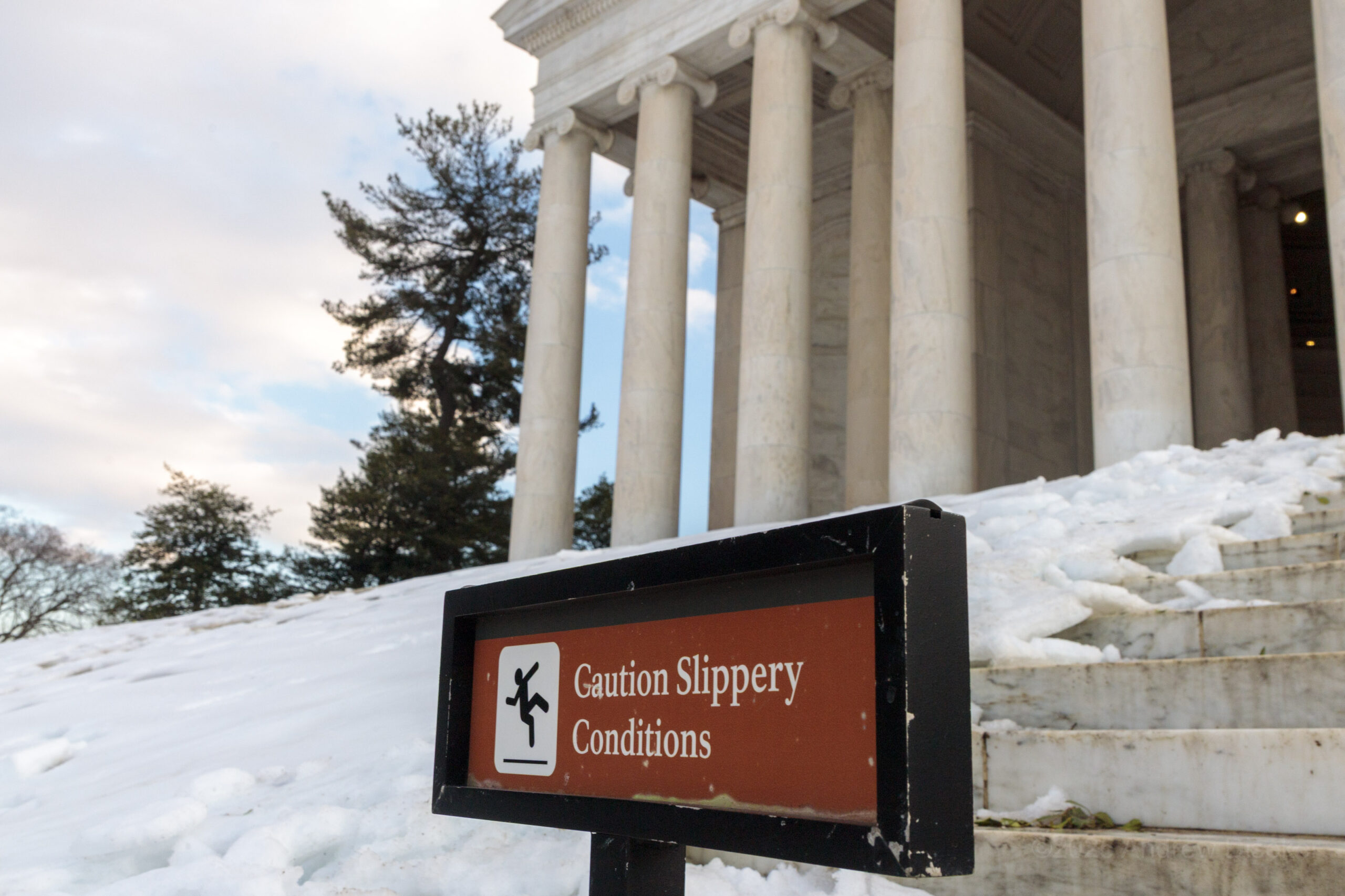
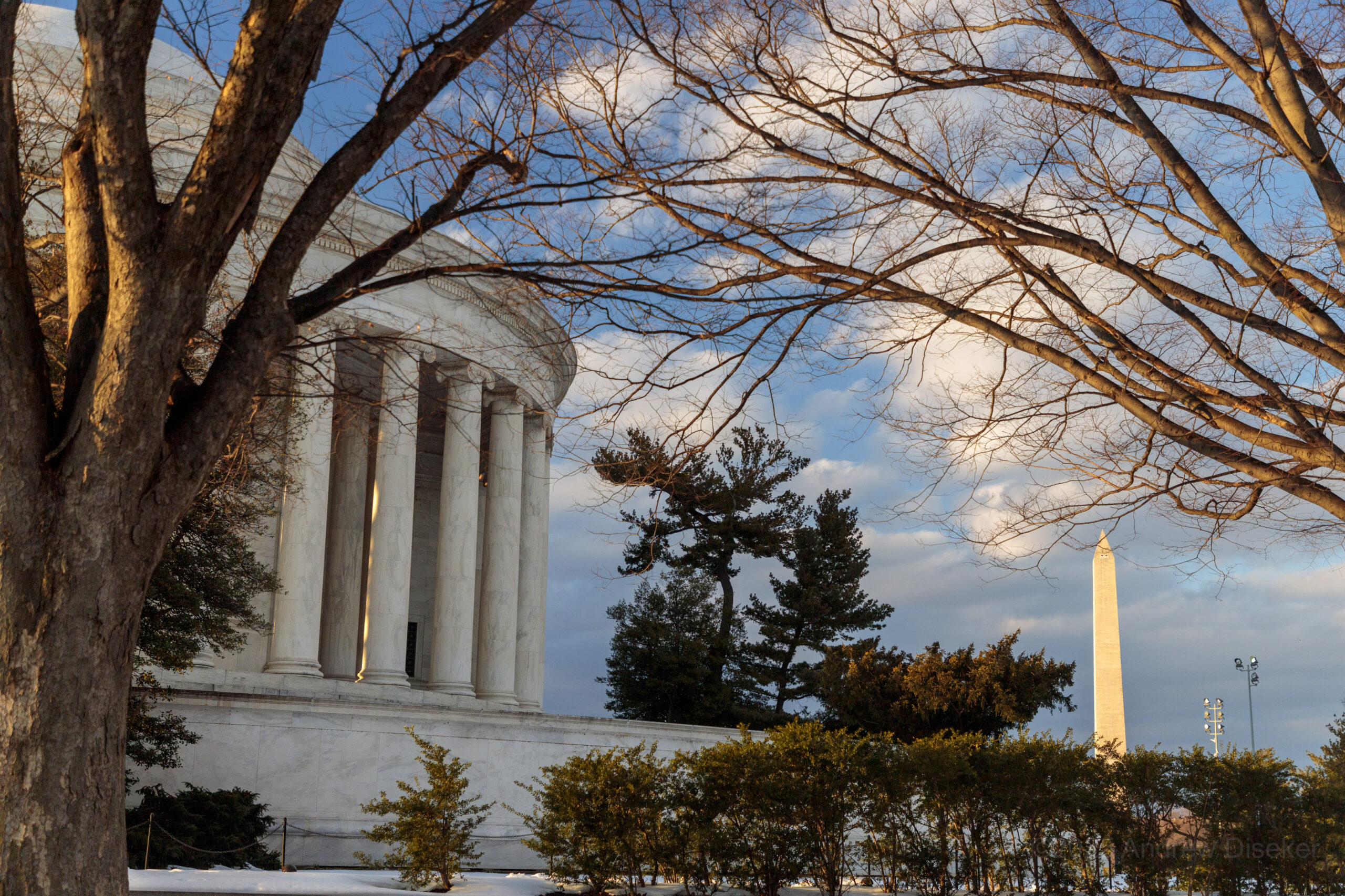
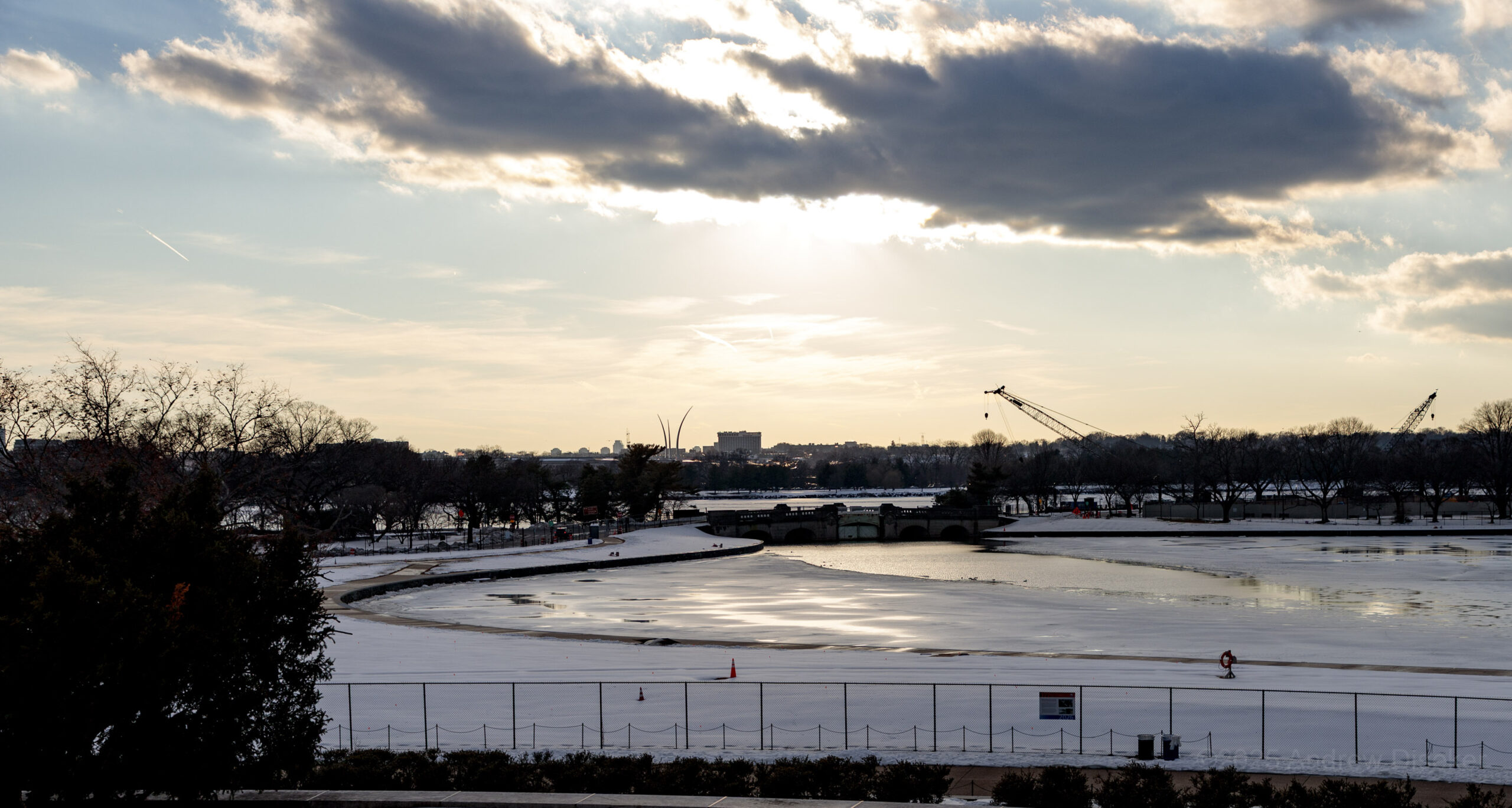
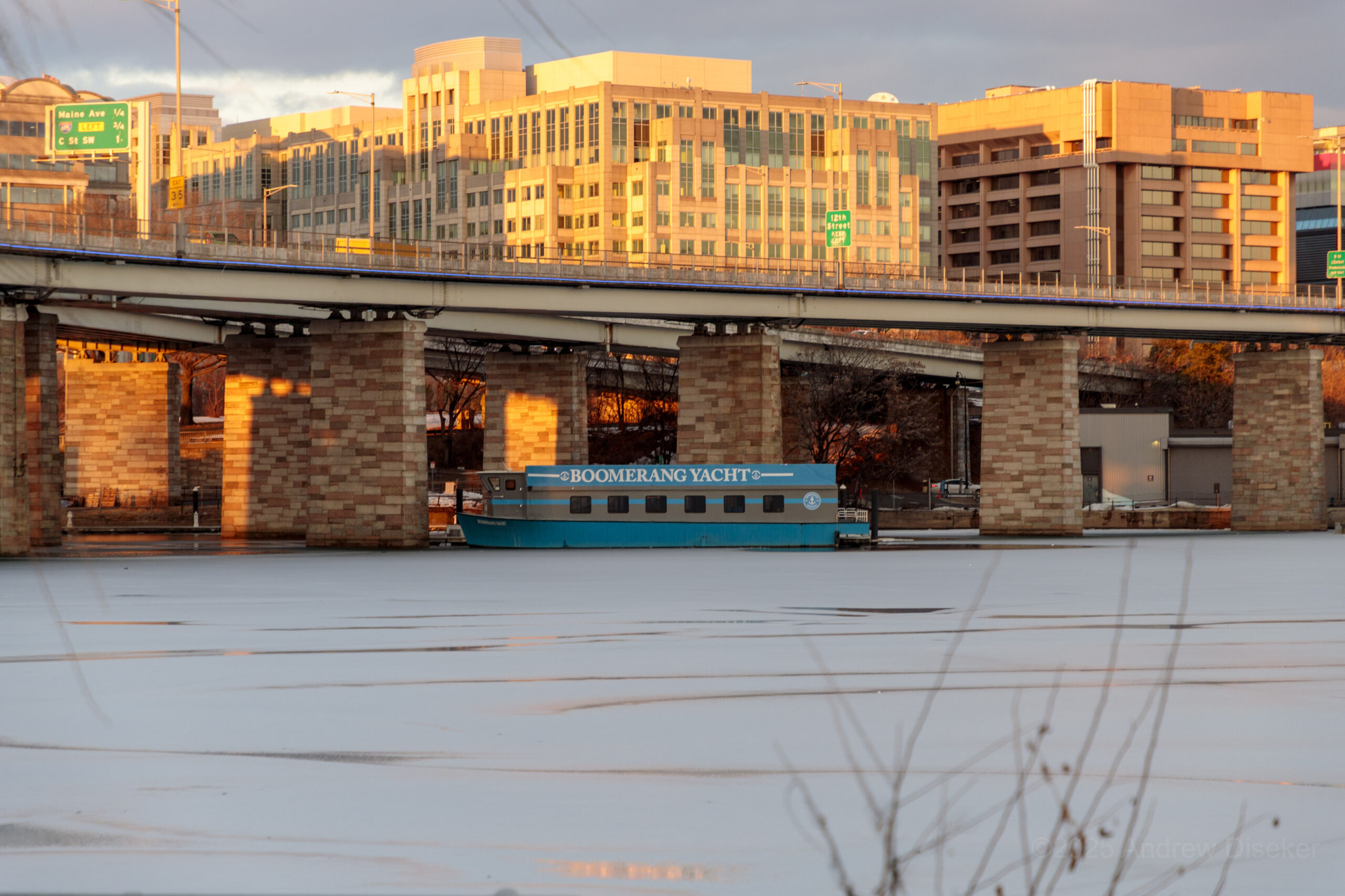
This week though, it’s been warmer, and I got to places I couldn’t go last week. I managed to park in the Potomac Park parking lot and walked to the Jefferson Memorial on the Tidal Basin. It was a much nicer walk than last week, although the ice and snow were still quite thick, and the Tidal Basin was still mostly frozen over, but the ice was noticeably thinner. Even the Potomac River near the DC Wharf restaurant area was frozen over, with the only boat that I could see possibly stuck in the ice.
Washington and JeffersonIce and snow still aroundJefferson’s backJefferson’s sideNot many touristsThank you for telling usJefferson and WashingtonTidal BasinEven the Potomac River still frozen
We’ll see if I can keep up this blistering pace of updates!
Constantly apologizing, that’s me. I had fully intended to continue posting about my 2 month trip to Japan last Spring, but life and other things kept getting in the way. I see more people are looking at my site, and I feel bad for you all that I haven’t been diligent in updating, I am truly sorry about that.
So, if anyone was worried about my health after the post about hurting my leg, I can say that my leg has fully healed, and I’ve been walking when the weather allows, getting back to my goal of walking 10+ miles per week. I’m nearly there, but I’m not really allowed to walk when the temperature is too high or too low, according to my cardiologist. I have plans to work around the temperature restrictions, I’ll be trying to keep it up.
I’ve been continuing to take pictures, especially around the DC/Northern Virginia area, so I think I’ll post some here. I have a couple hundred gigabytes of photos and videos from the Japan trip, although not as much as I wanted, due to recovering from my injury, I’ll probably figure out how to post a lot of them soon, although it won’t have the immediacy of posting from there. I’m thinking I will try to go again, possibly in 2027, which would be 20 years from my first trip.
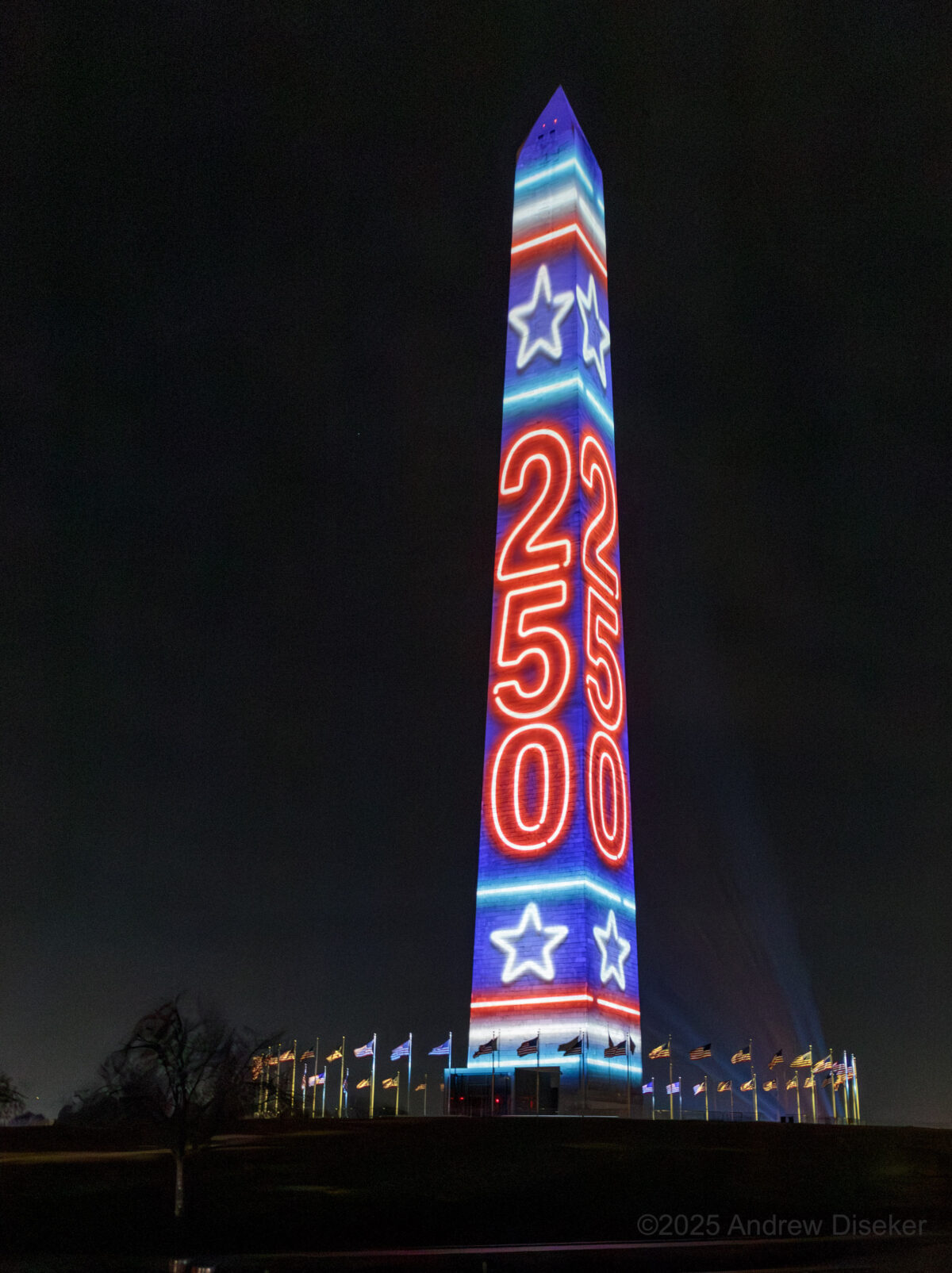
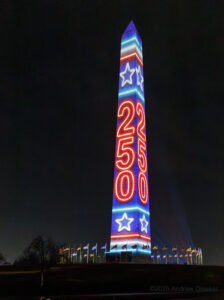
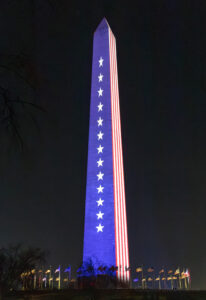
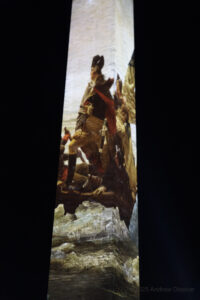
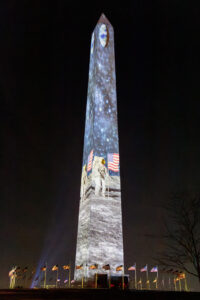
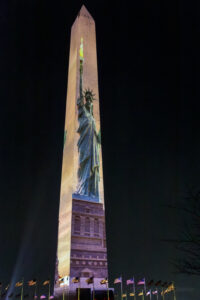
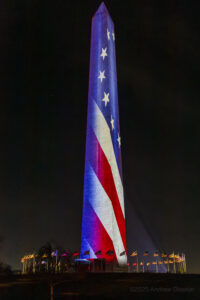
I want to take a lot of photos here this year, since it the Semiquincentenial, the 250th anniversary of the Declaration of Independence, and the DC area will have a lot of things going on, in fact they started on New Years with a laser projection show lighting up the Washington Monument with an audio narration:
So, at any rate, I’m sorry I haven’t been diligent in updating this blog, I promise I’ll do better!
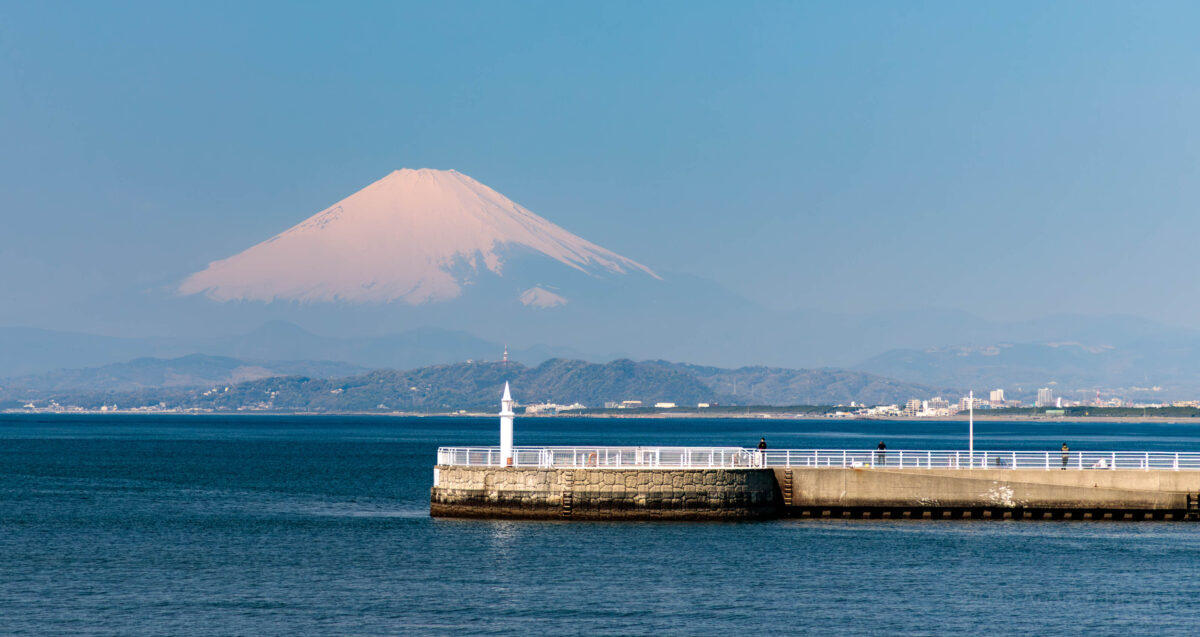
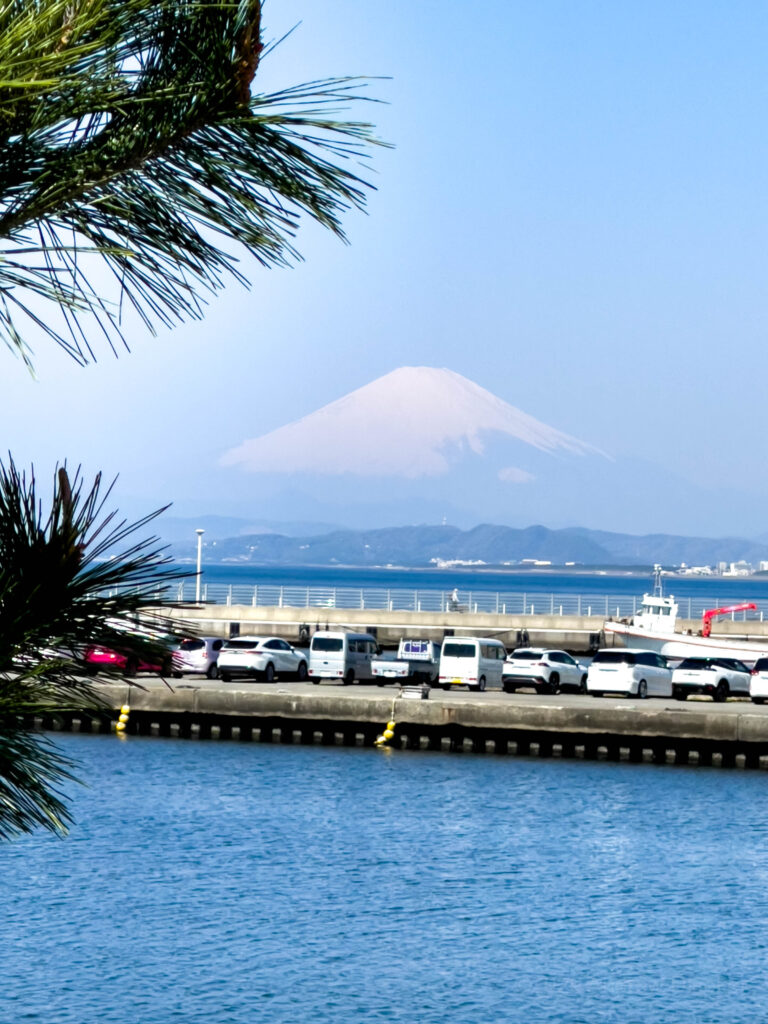
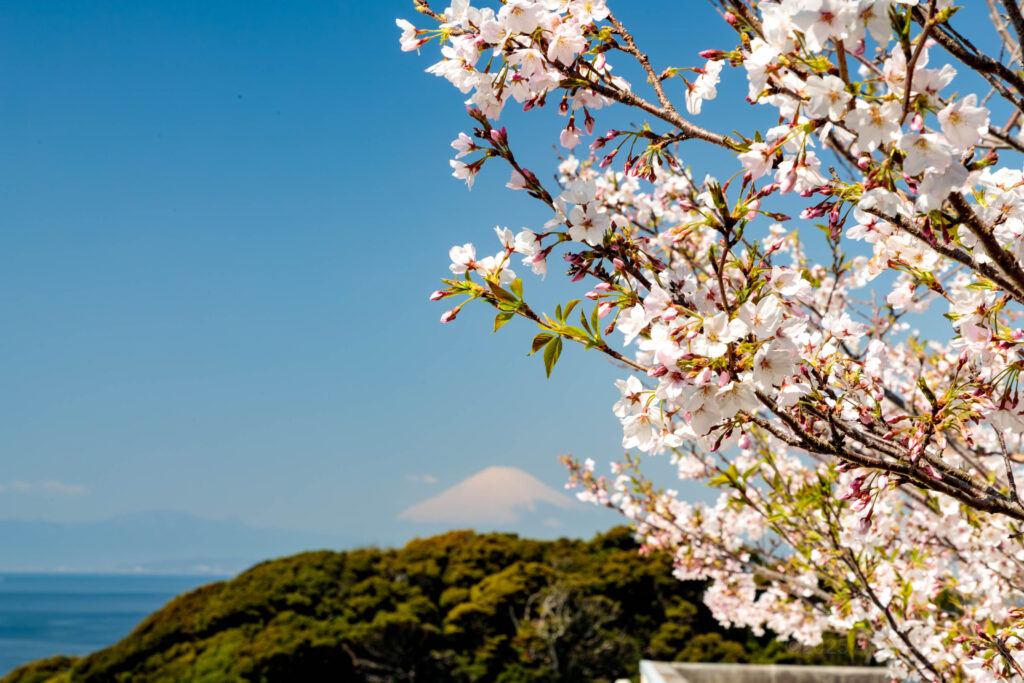
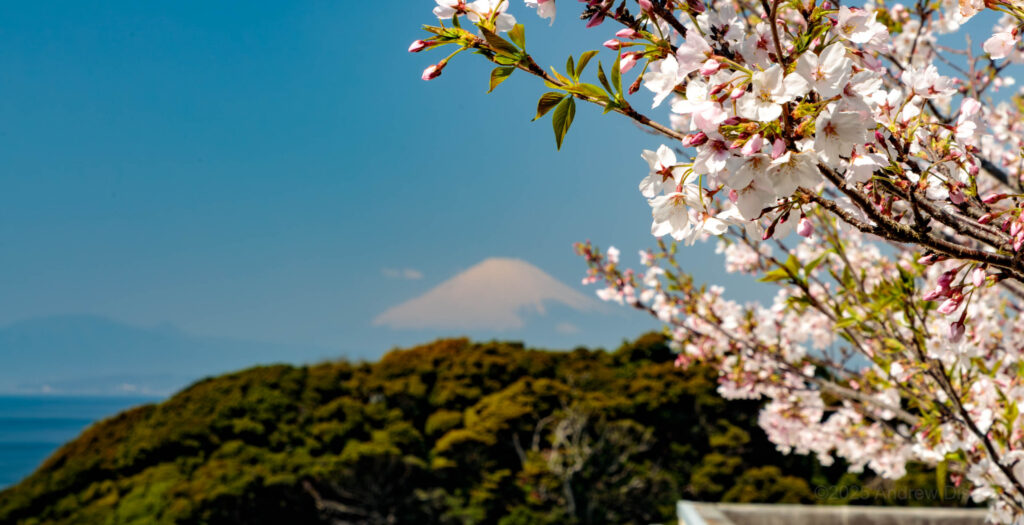
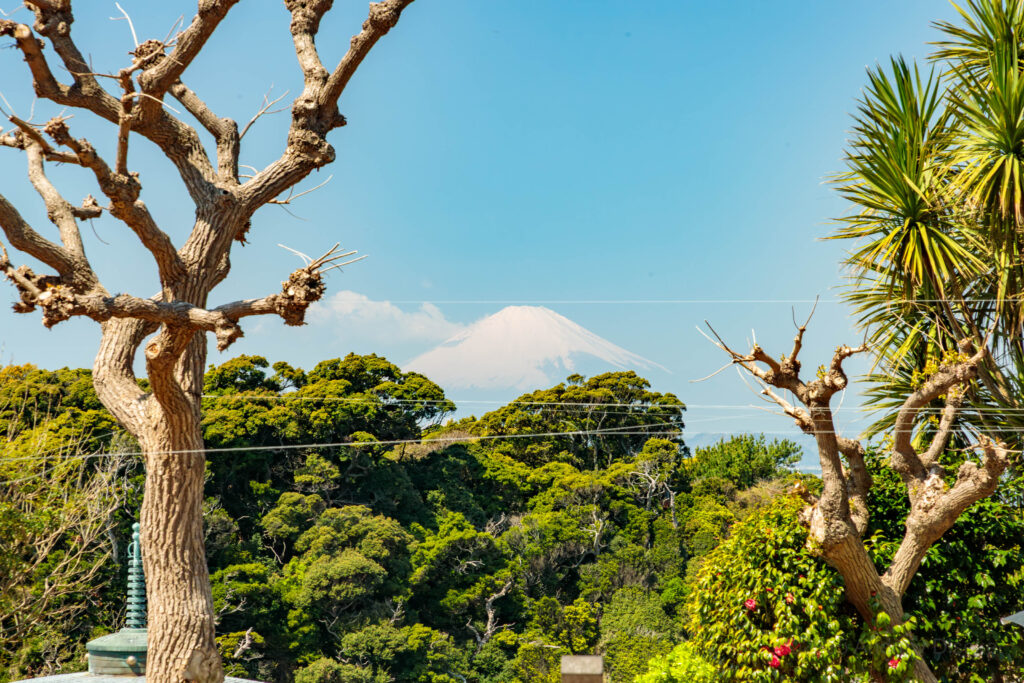
Well, if nothing else, on this trip I finally got to check off an item on my bucket list that has been bugging me on every trip I’ve made here. Until I went to Enoshima earlier, I had not actually gotten a really good picture of Mount Fuji, I had always had fog, or clouds, or haze, or lack of sunlight to prevent me from seeing the mountain clearly.
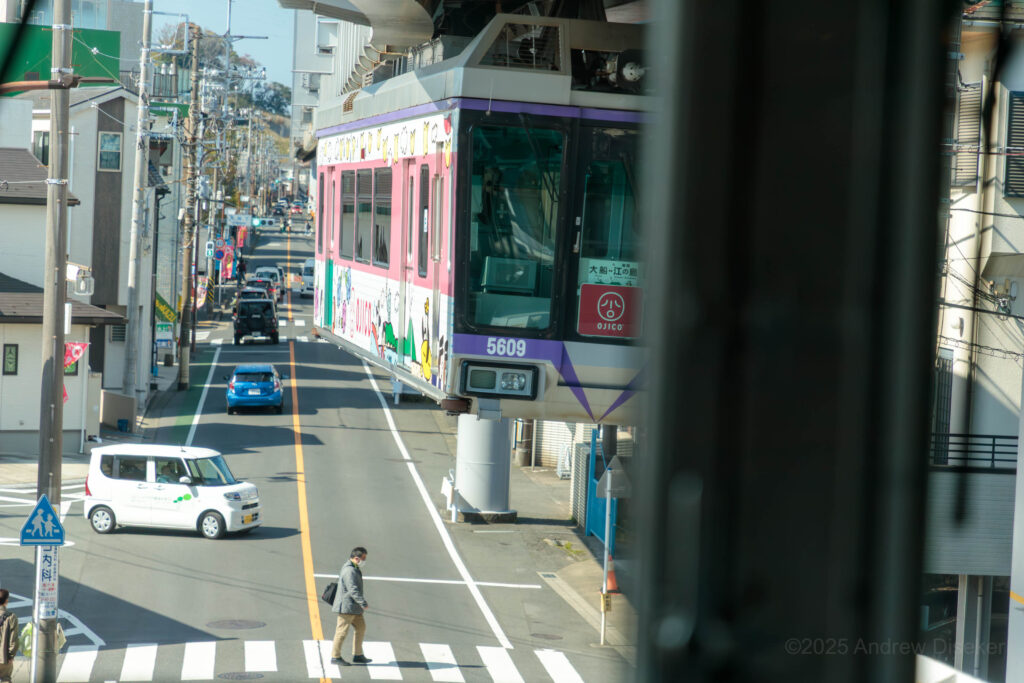
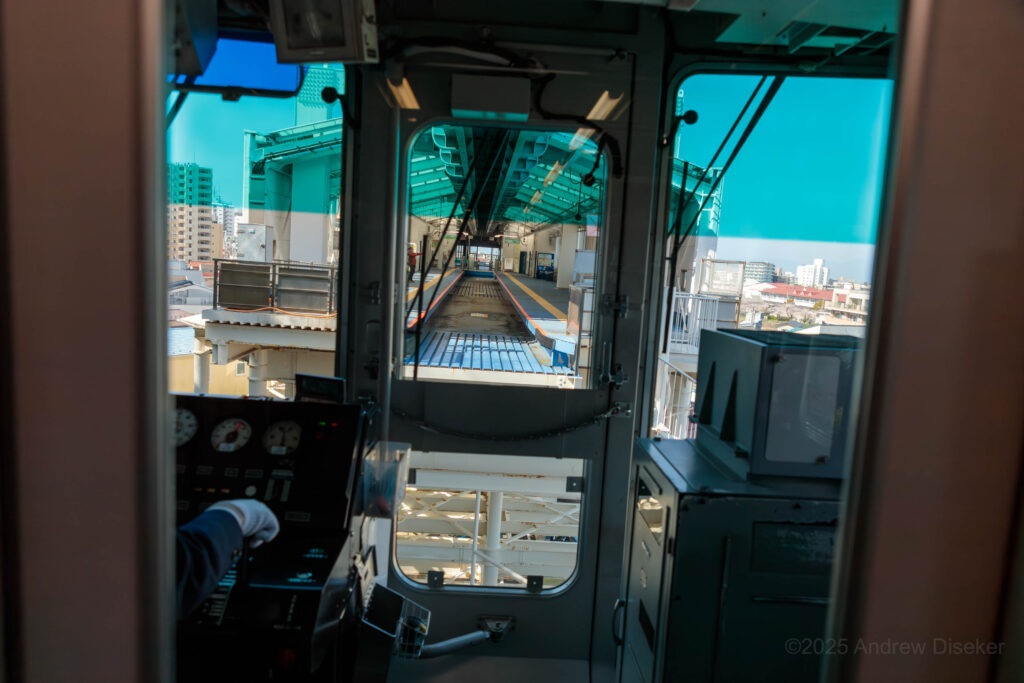
So, feeling somewhat hopeful, but not expecting a lot, I set off in the morning to go to the town of Ofuna, in order to catch the “top-end” of the Shonan Monorail, a suspended monorail train line that was built in 1970, running about 4 miles from Ofuna Station to Enoshima Station. It’s pretty neat, for nearly all of the line the train cars hang from overhead rails, all but one of the stations is also high in the air. It can be a bit unnerving to watch the train travel, especially from inside watching as a station in the air comes into view, with people on the platform, or when leaving the station, watching the platform fall away beneath you!
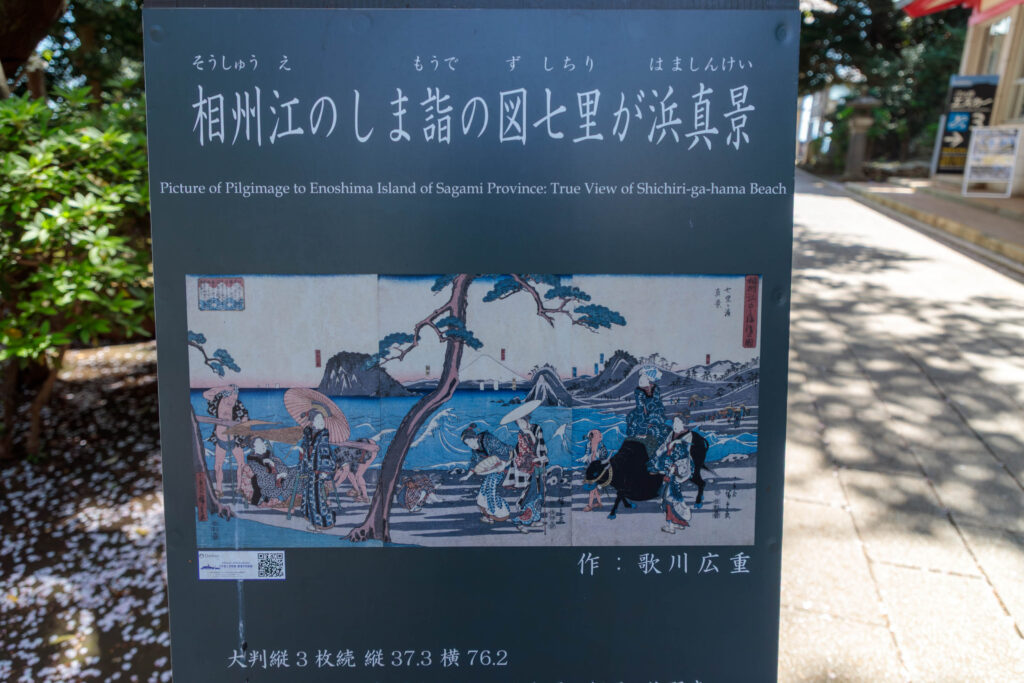
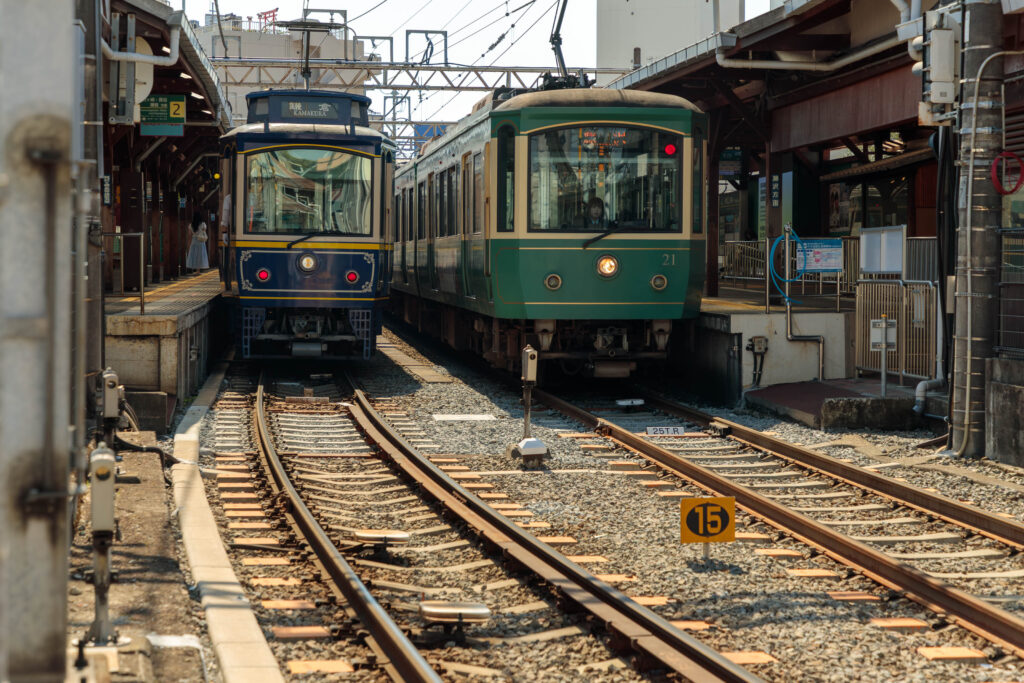
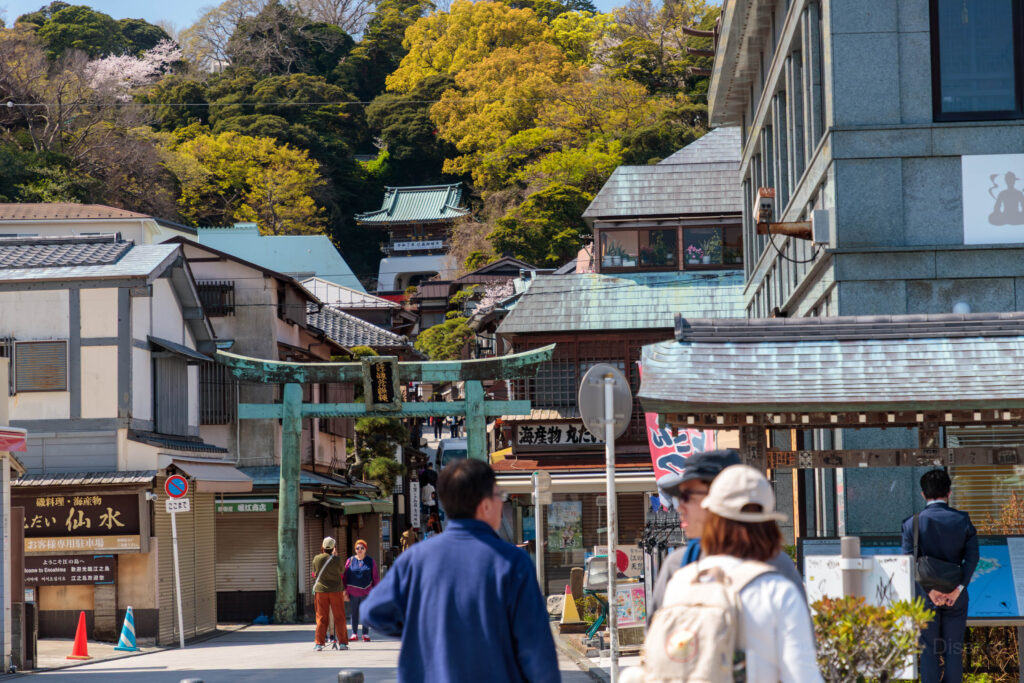
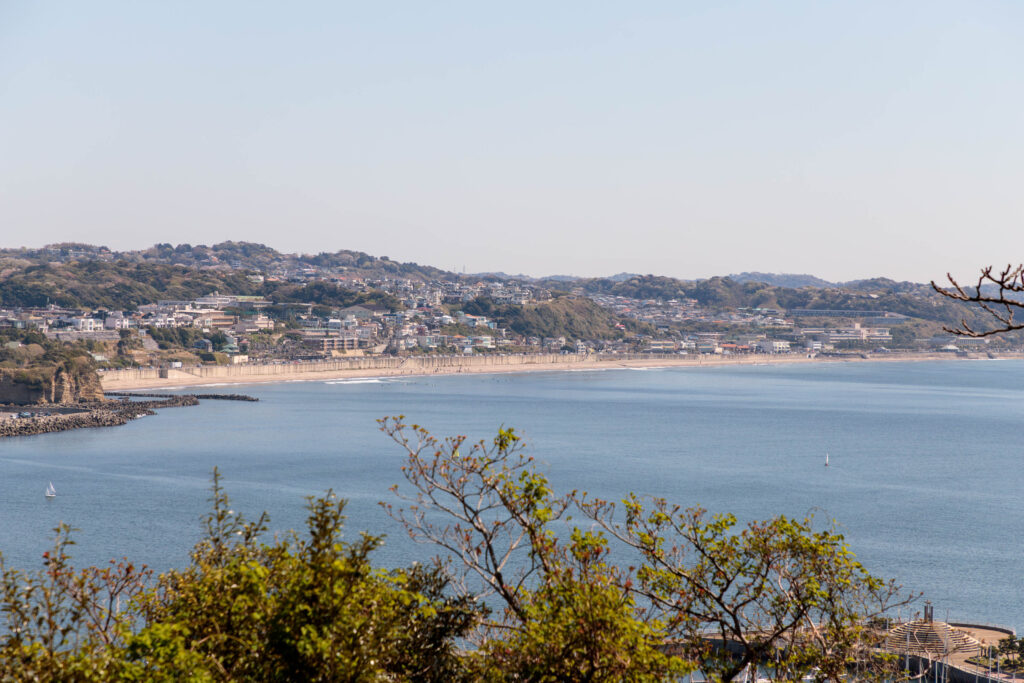
The Monorail ends at the seaside town of Enoshima, which is on the Shonan Coast, along the Pacific Ocean. It’s been a getaway spot for tourists in Japan for centuries, and shares a lot in common with other beach towns around the world. The town of Enoshima is the hub of an older train line, the Enoshima Densha, which everyone calls the “Enoden”. The train line runs from Kamakura in the east to Fujisawa in the west, and it’s been running since the early 1900’s. The train cars are still in use, many of them, and they are definitely unique.
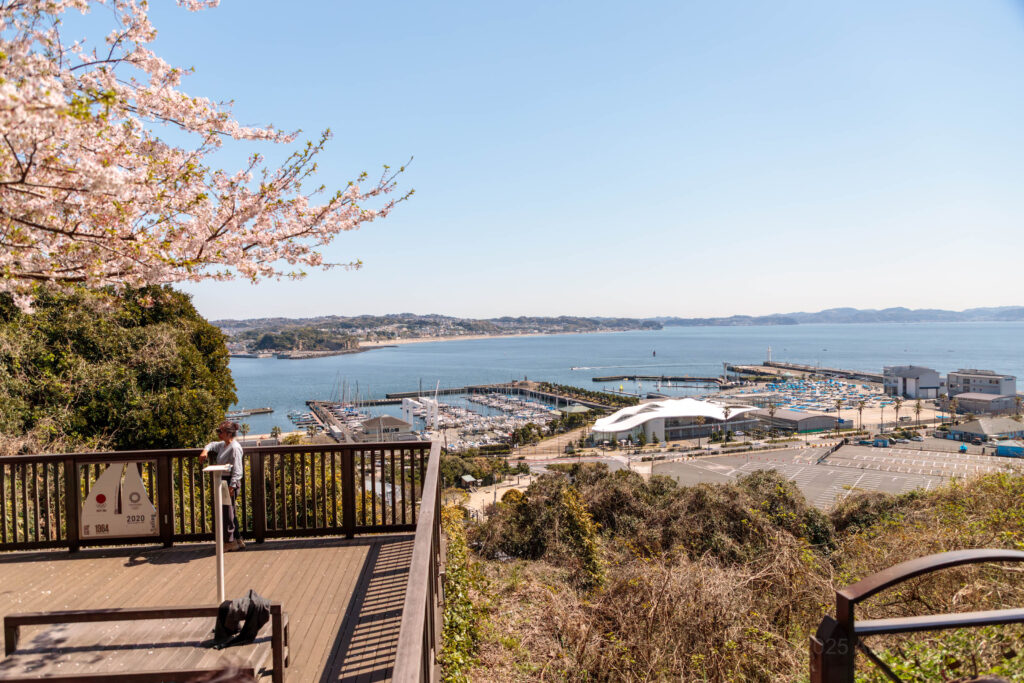
Without a doubt, seeing amazing things is the real reason to go to a tourist town, and coming out of the Monorail station at Enoshima I was happily surprised that I got to finally see Mount Fuji! I have been waiting almost 18 years to see it, and at last, there it was! There was a photo observation deck at the top of the station and I managed to get plenty of good photos! If I don’t manage to see much more of Japan (more on that in another post) at least I could check that off my bucket list!
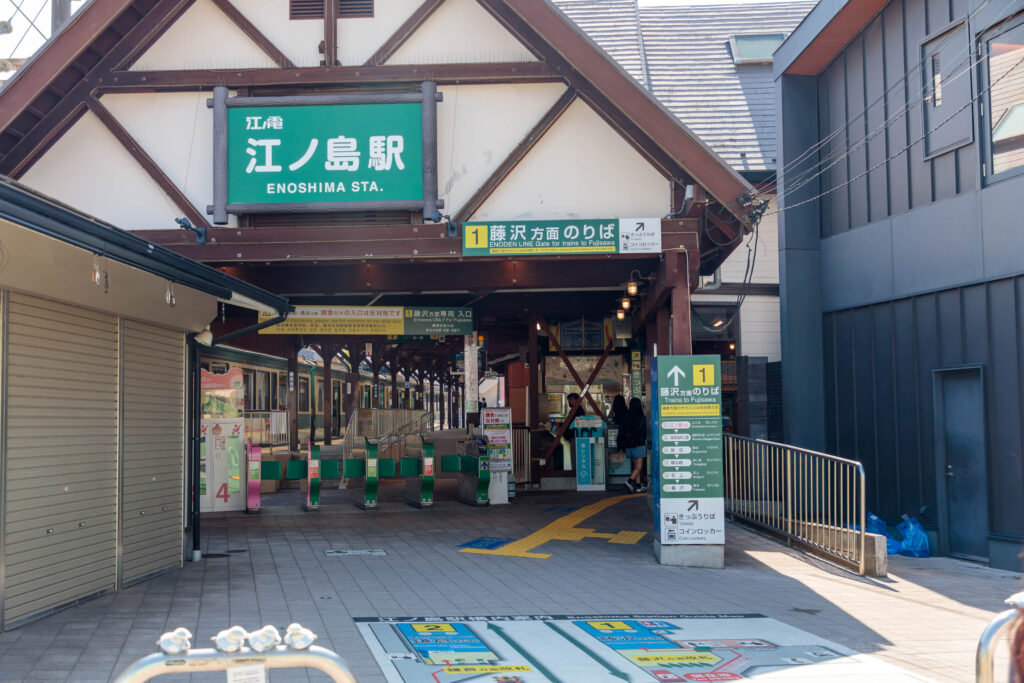
The Enoshima Enoden station is just down the hill from the Monorail station, so on my way to the island I walked past it, hoping to see if the little sparrows were still there from when I last saw them, and they were! Two of the guard rails have 4 little steel sparrows on them, and the locals dress them in hand-knitted warm clothes!
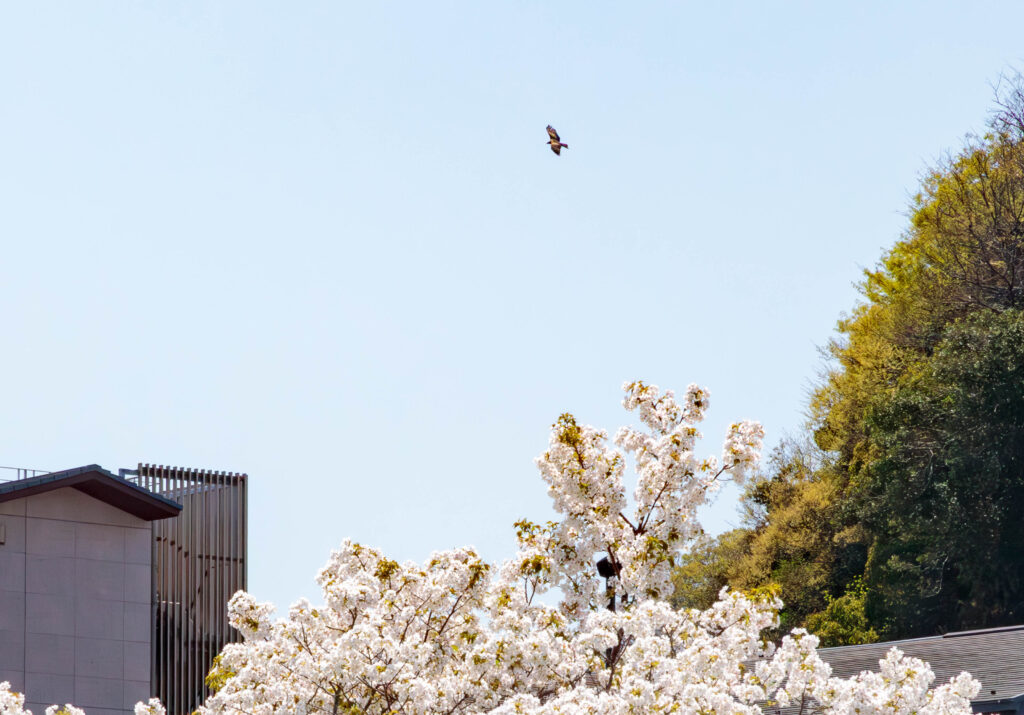
Speaking of birds, the birds in the Shonan Beach area including Enoshima are fierce! There are wild hawks, kites and other predators that have decided it’s easier to attack the big humans and take their food, than it is to hunt! All over the island and beach area are signs saying “be careful” and “don’t carry food in your hand and eat outdoors”, they really will swoop down and grab food out of your hand! I’ve seen hawks in flocks circling overhead at the restaurant section near the bridge to the mainland, just waiting for their chance! I think the hawks also catch and eat their competitors, or at least chase them away, I didn’t see many pigeons or seagulls around Enoshima.
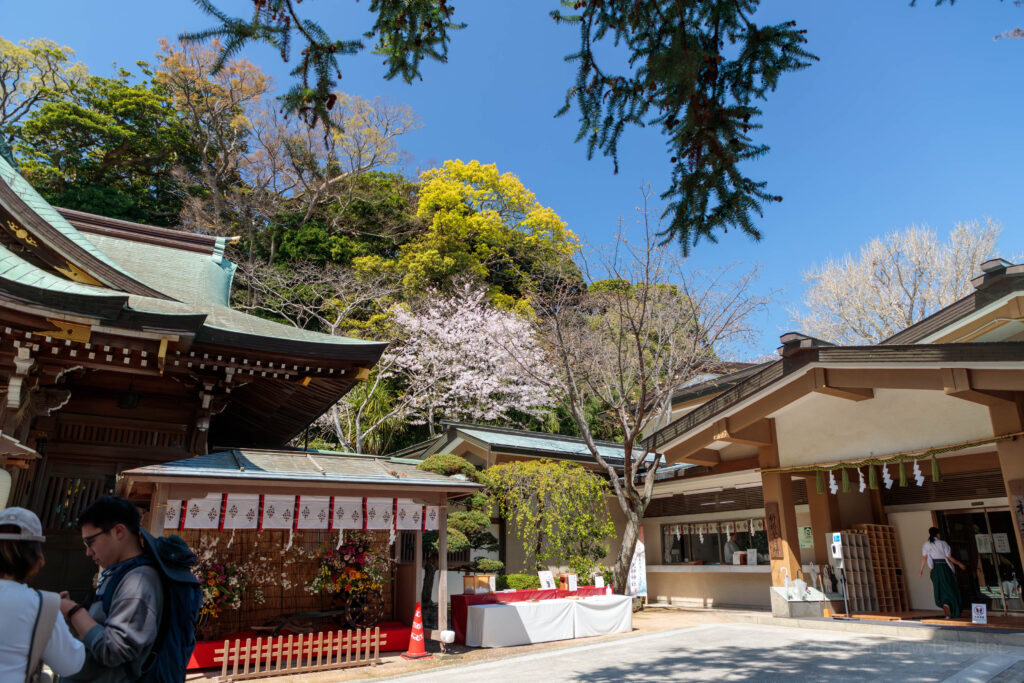
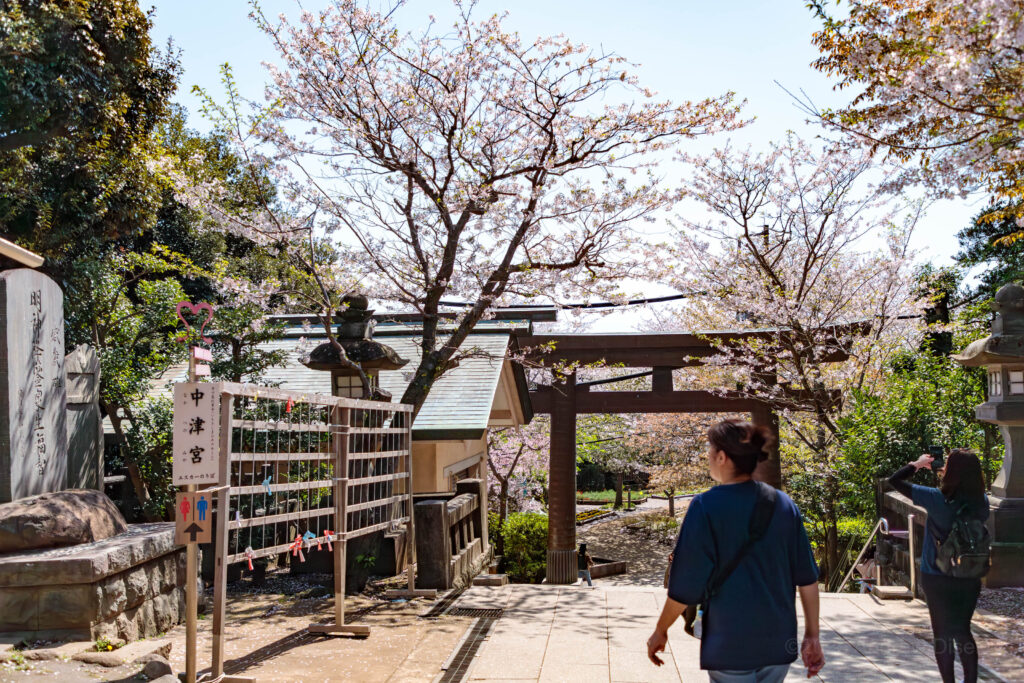
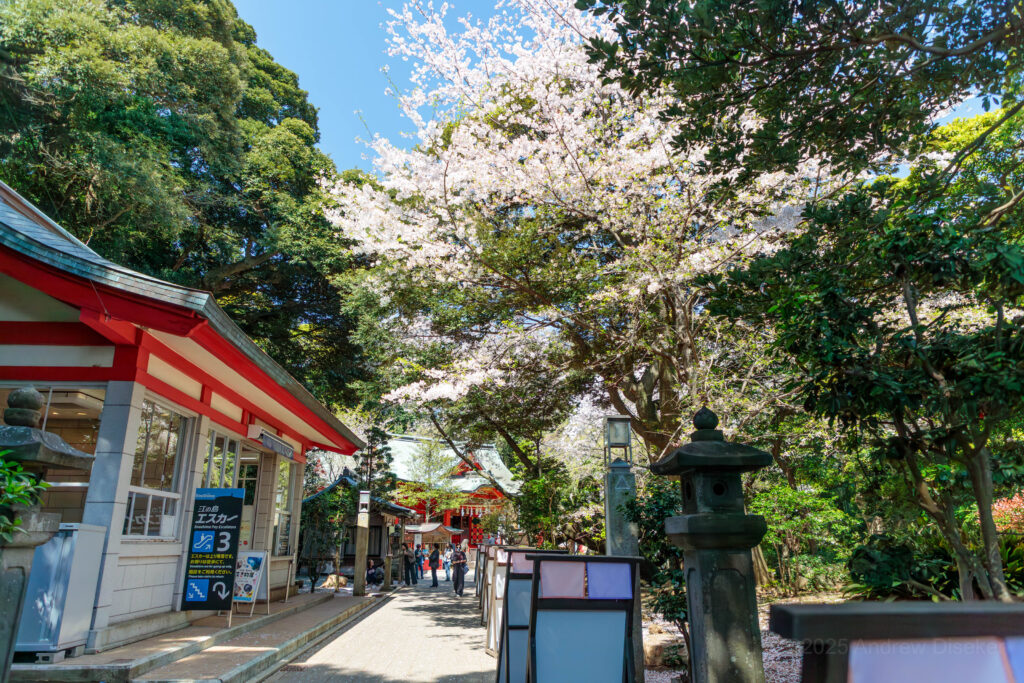
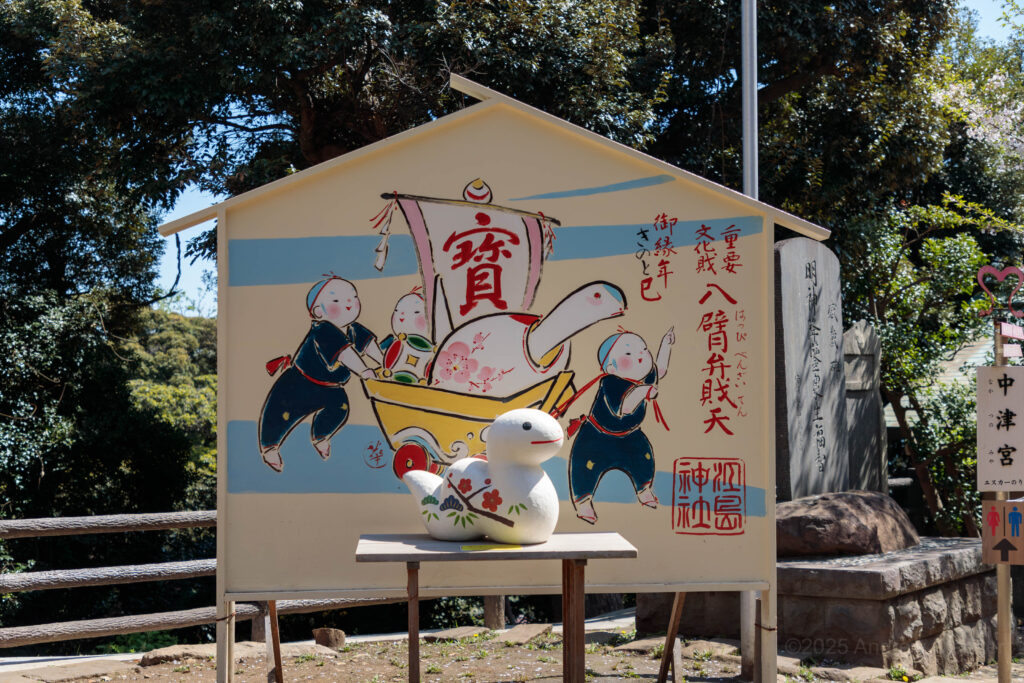
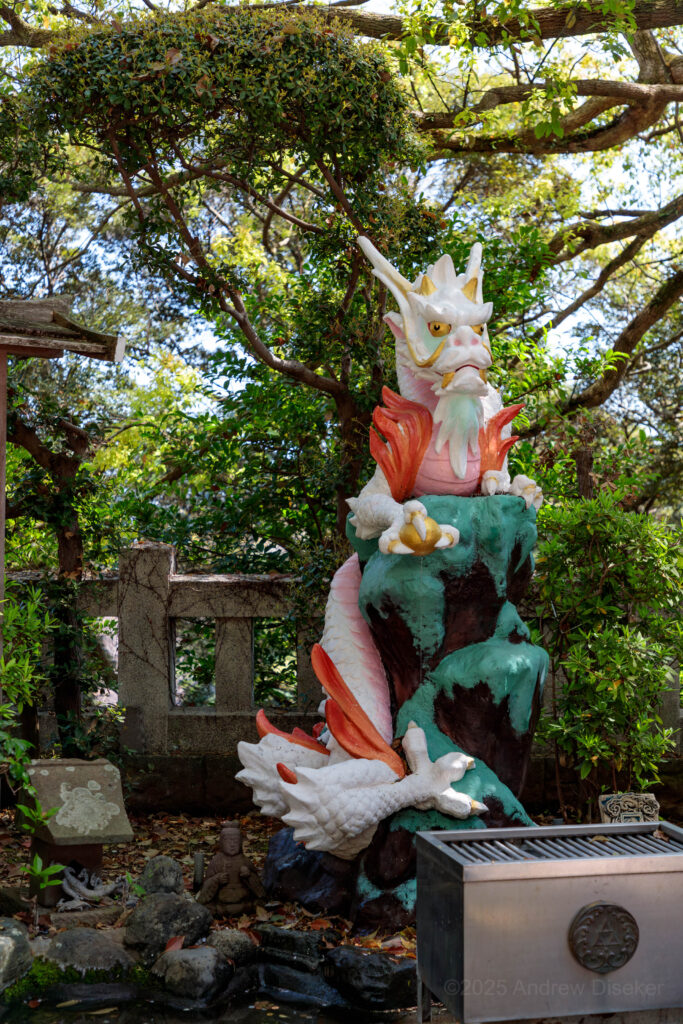
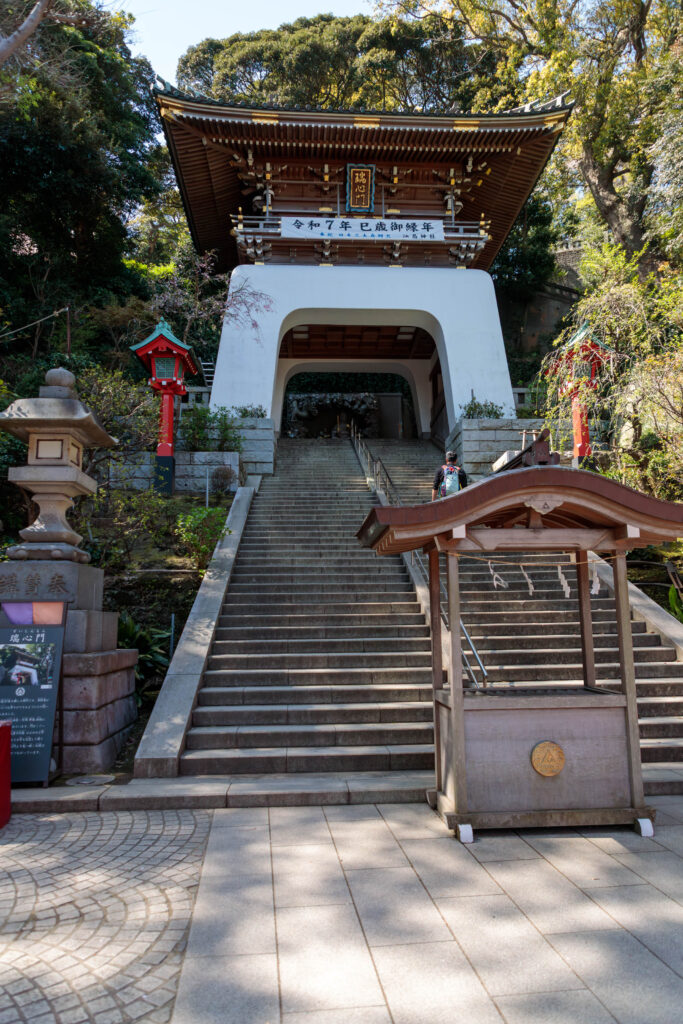
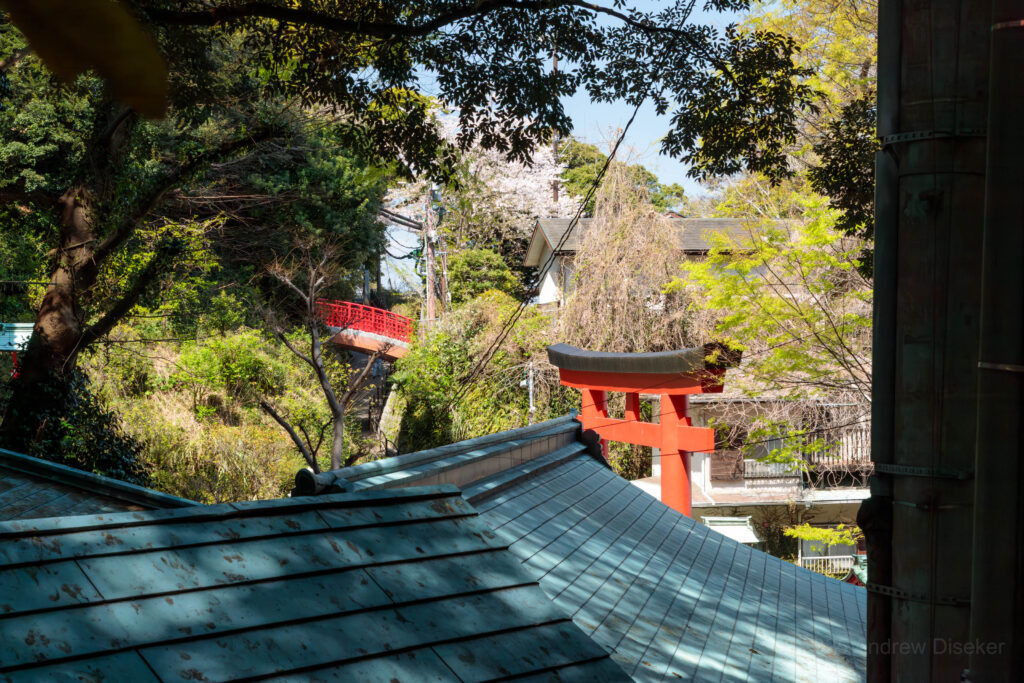
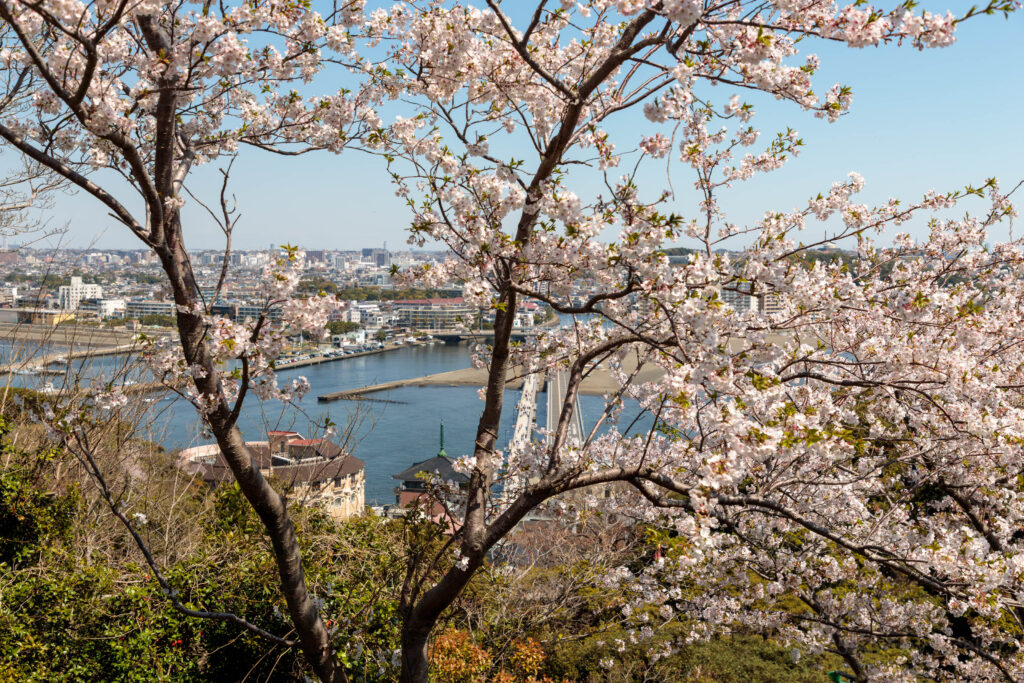
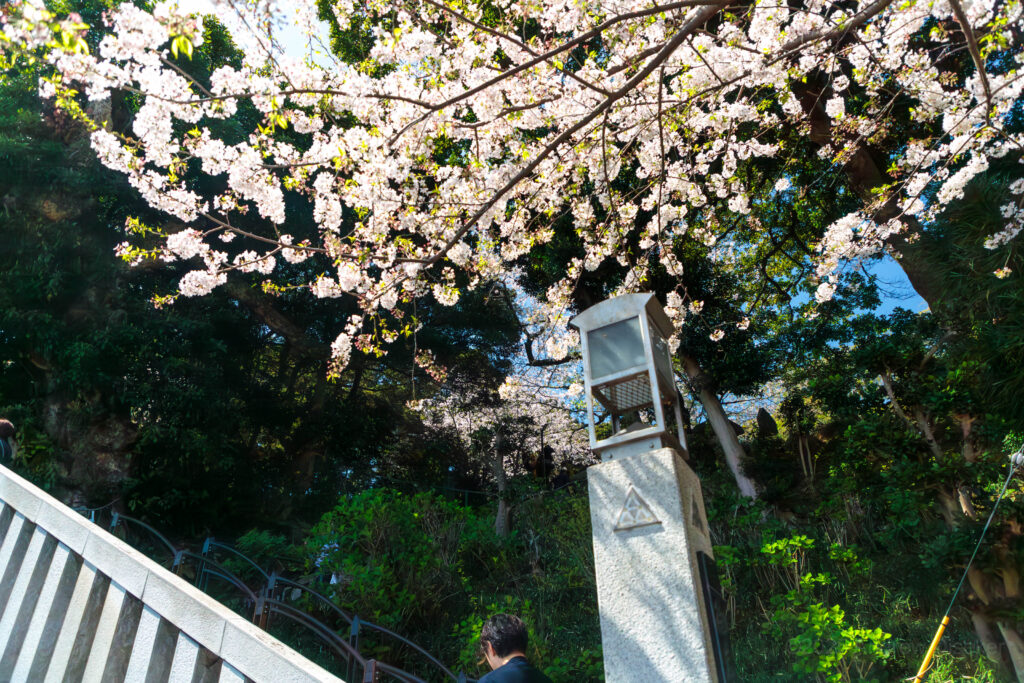
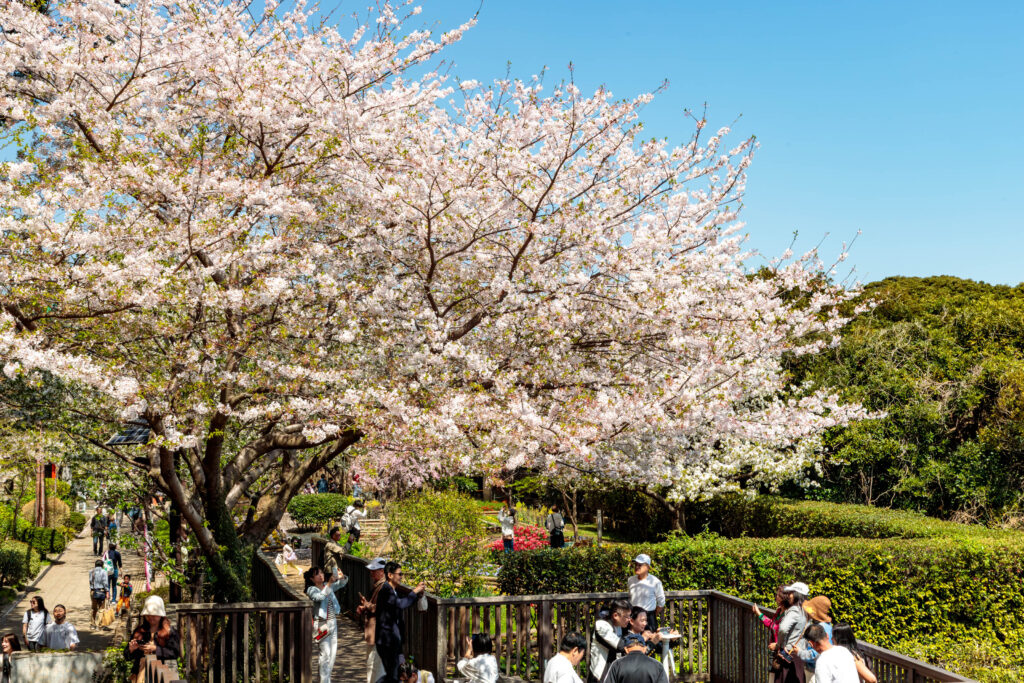
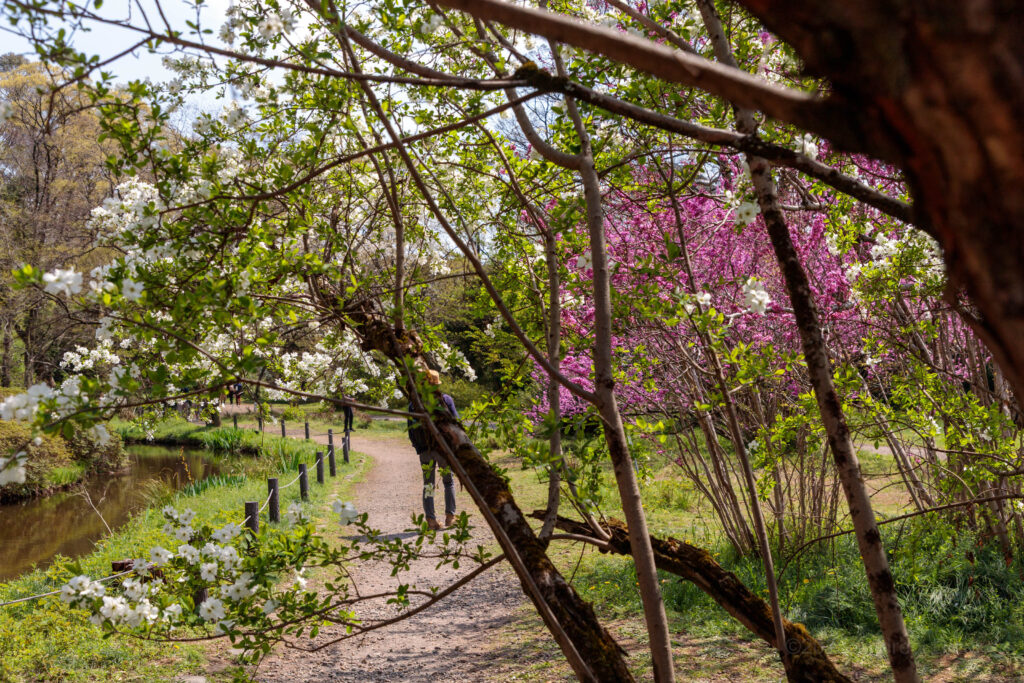
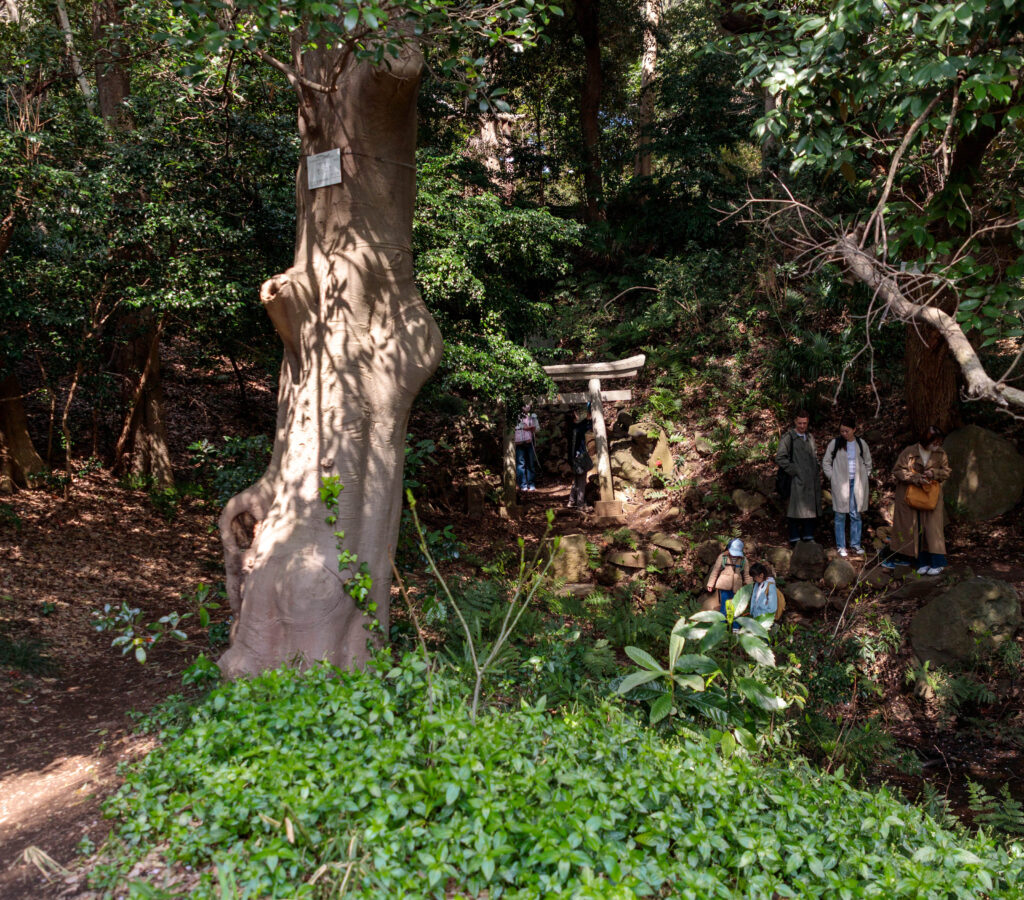
I was lucky enough to go during a work week, and didn’t have to fight the crowds. Also, the island of Enoshima is loaded with shrines to various gods and dragons are a big part of the history. As expected there were many places where cherry blossoms and other flowers were blooming.
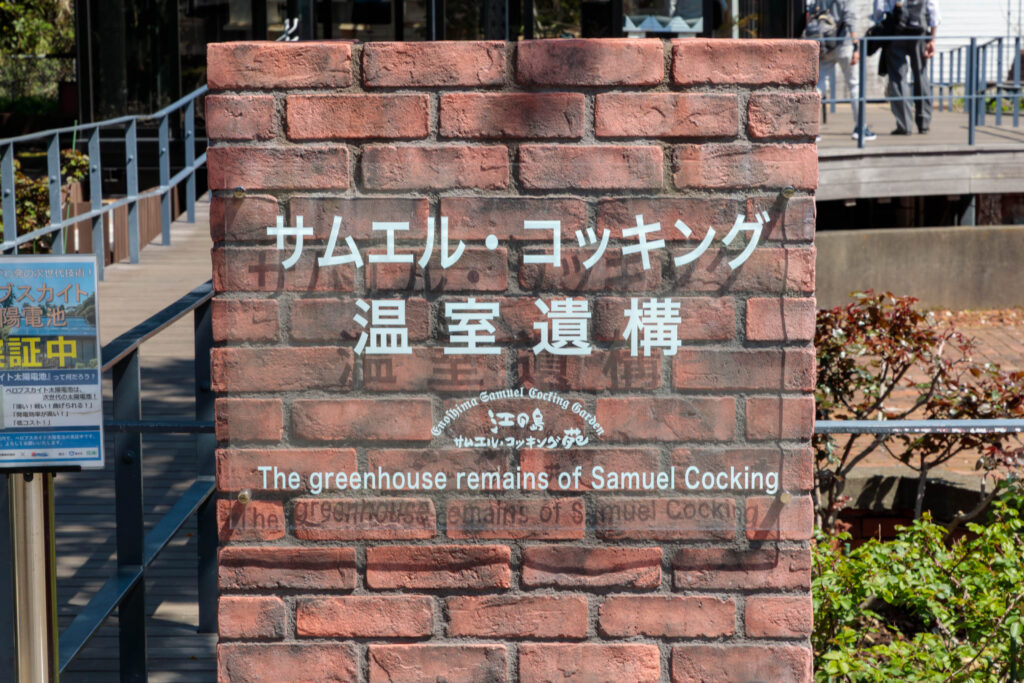
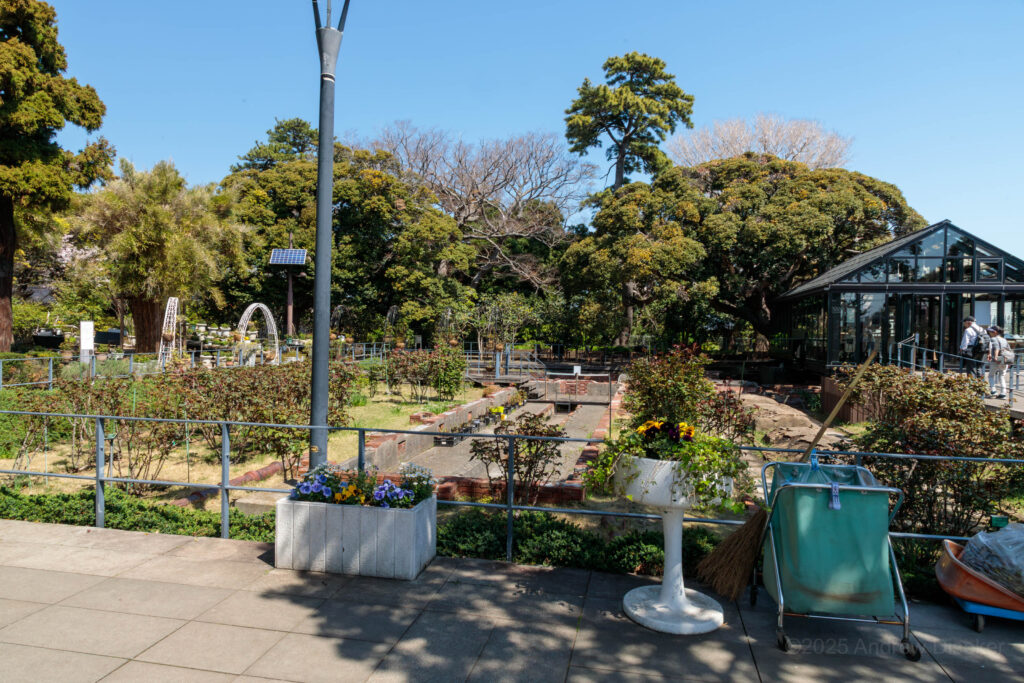
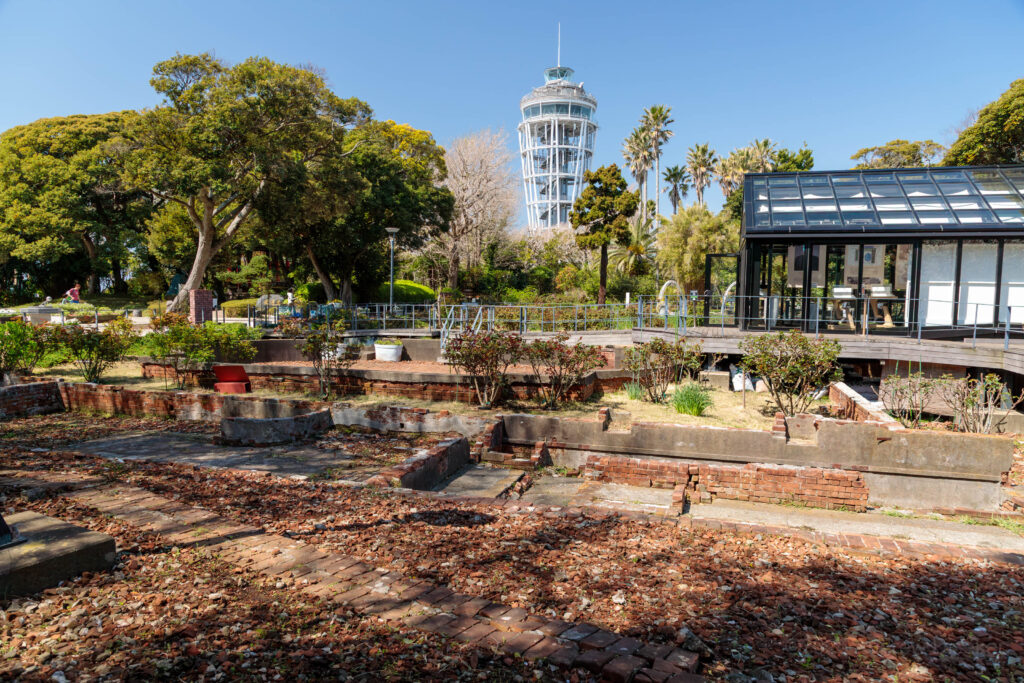
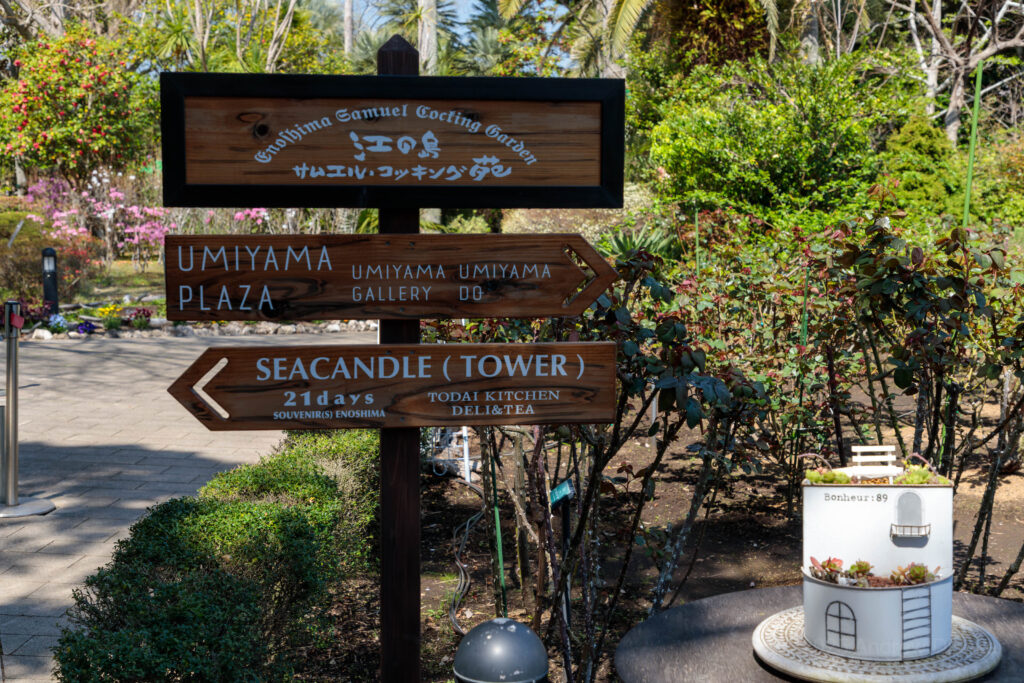
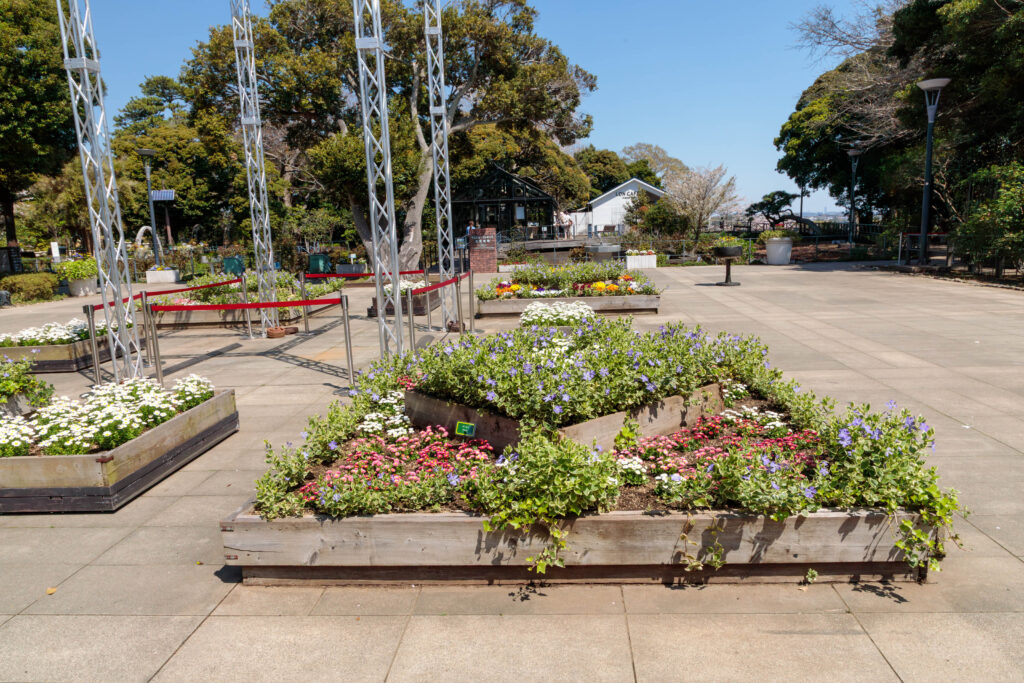
At the top of the island there were the ruins of a huge garden planted and owned by an Englishman named Samuel Cocking, who built it during the Meiji era. The garden itself is still there, carefully maintained, but there are only foundations left of the original buildings.
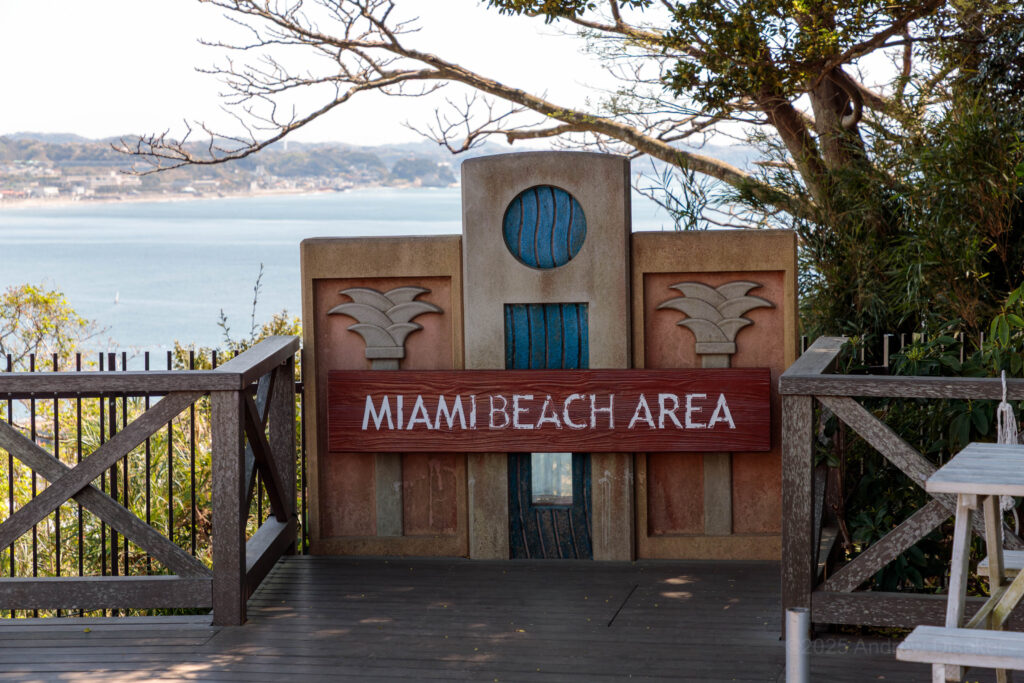
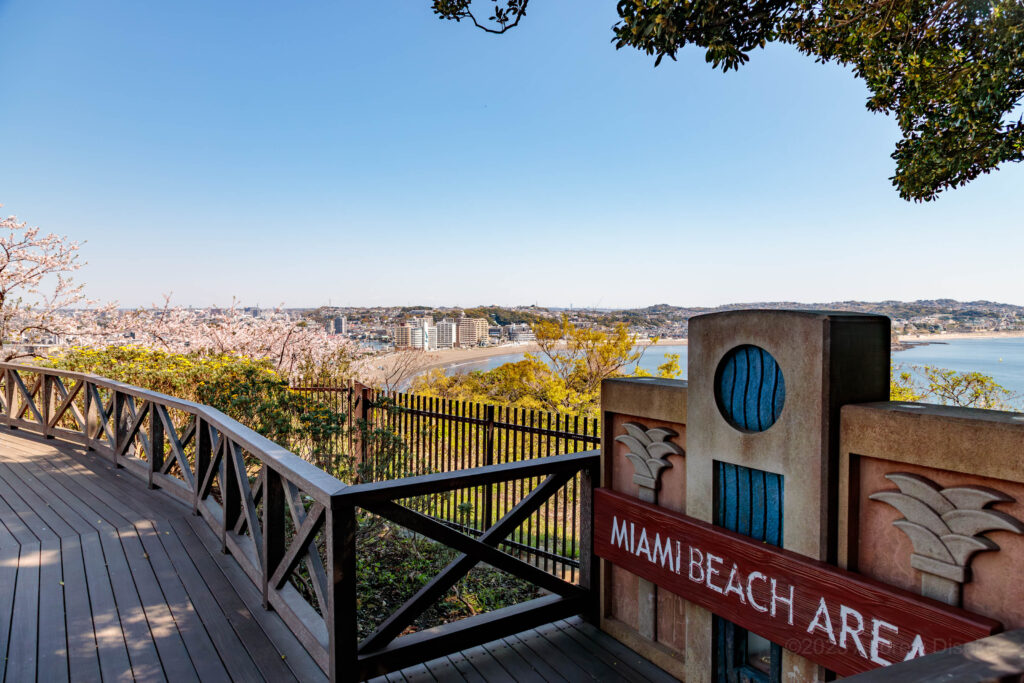
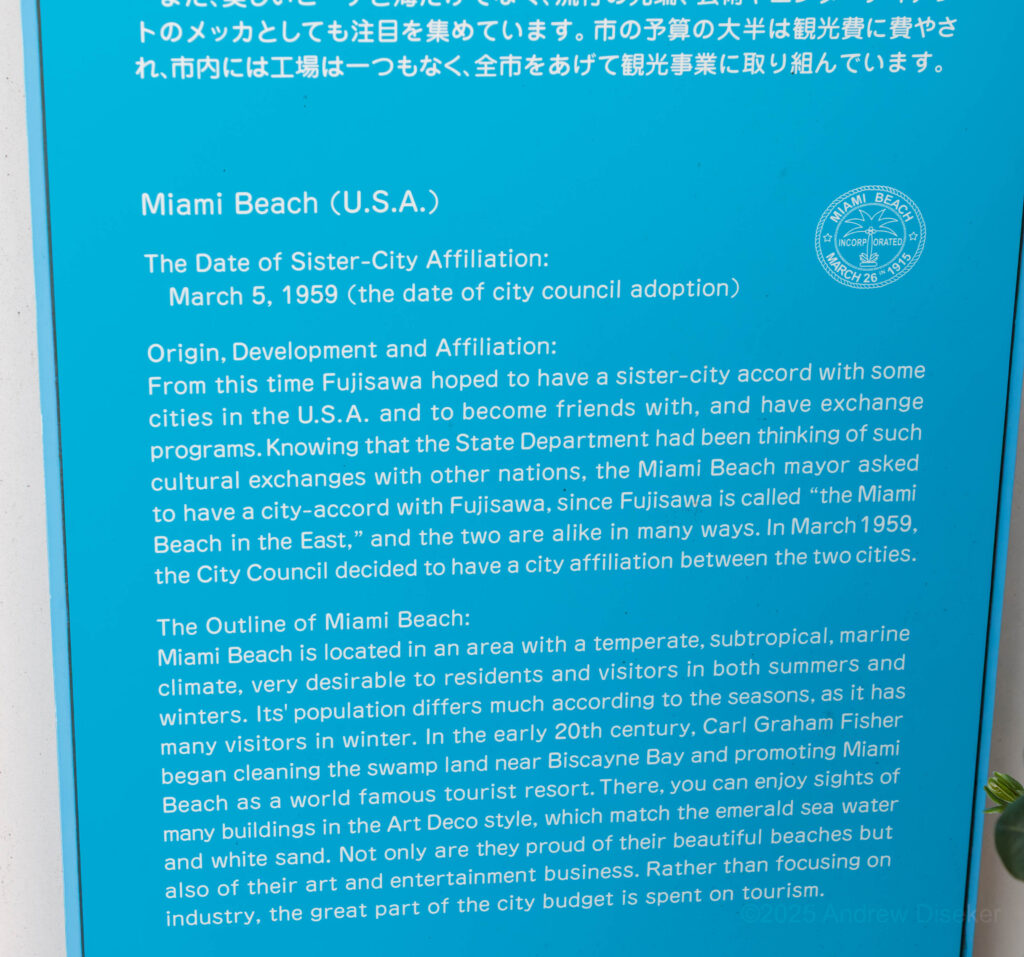
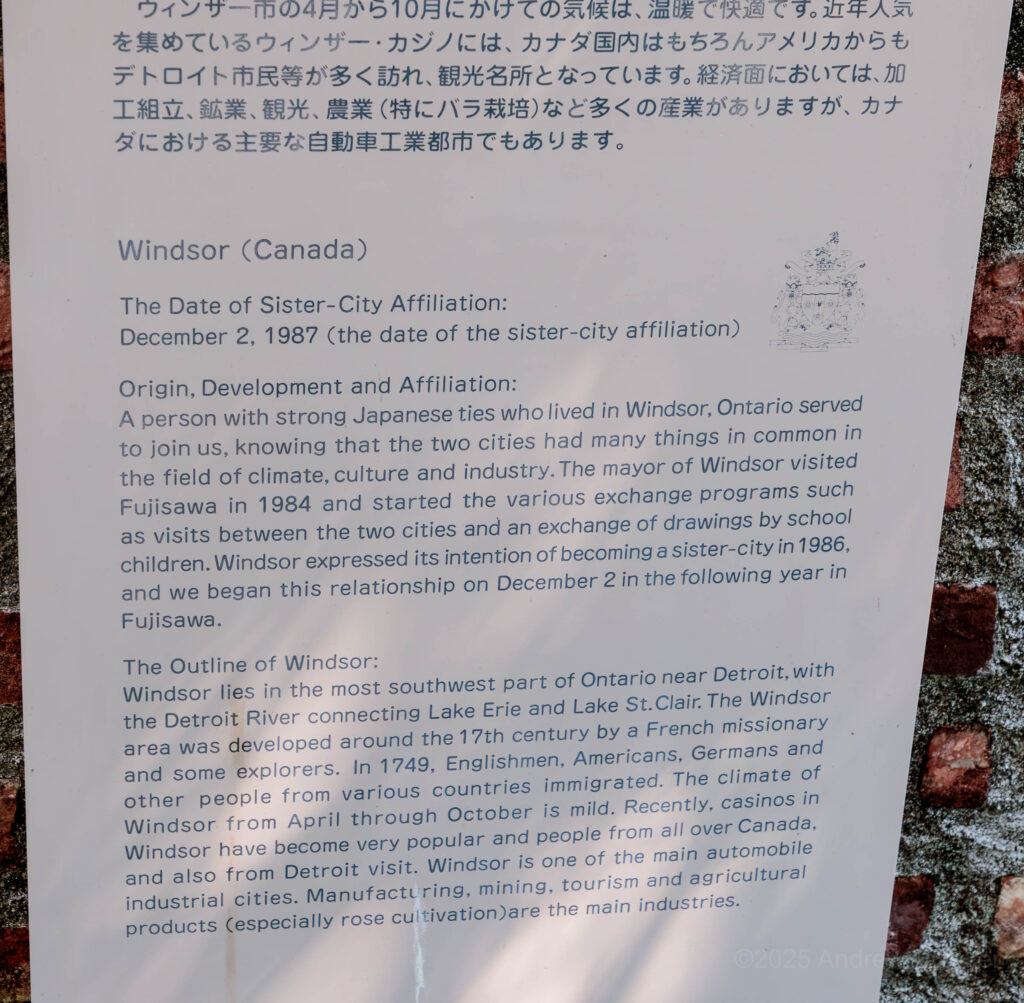
It’s kind of neat that the city of Fujisawa, which basically runs the town on Enoshima, made a point to become “sister cities” with other towns around the world, including Miami Beach, Florida and Windsor Ontario Canada.
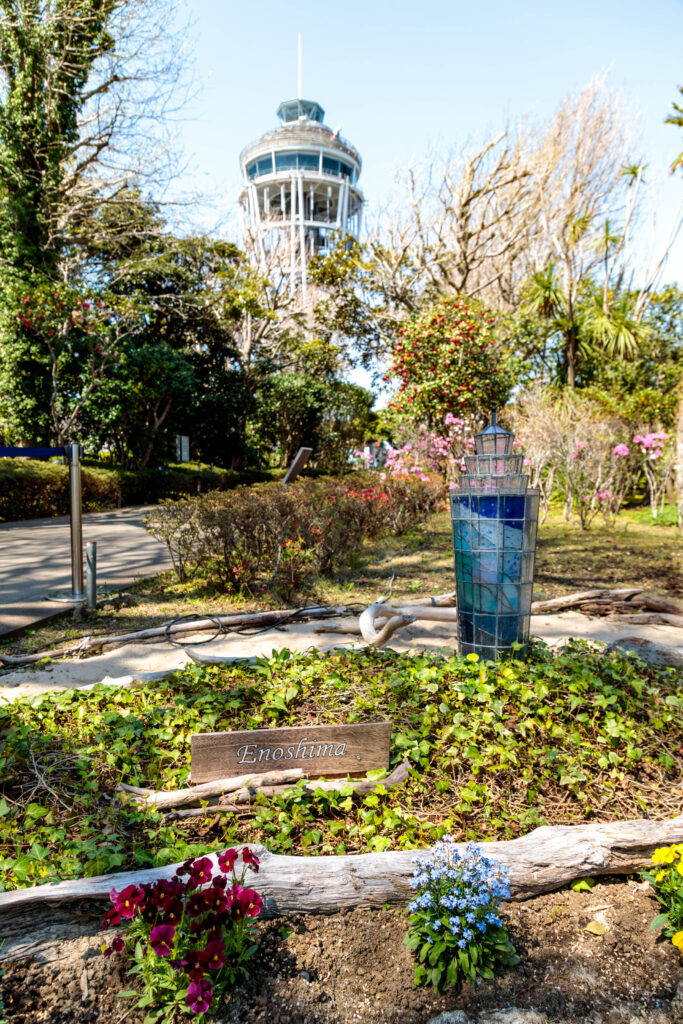
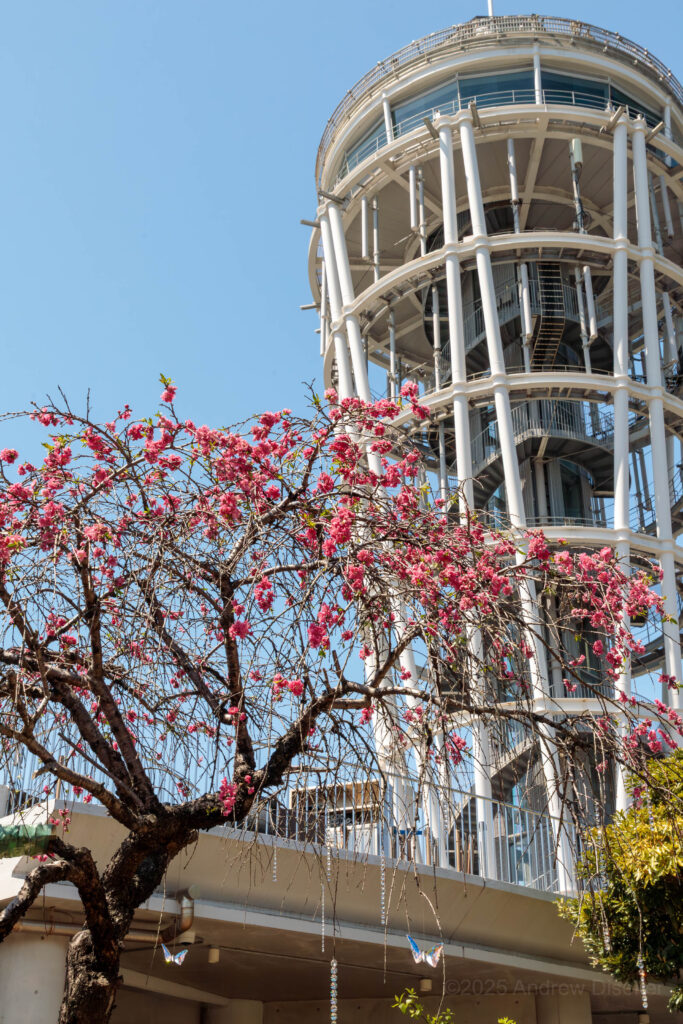
The biggest attraction other than the shrines is the “Sea Candle”, a large observation tower at the peak of the island. Unfortunately for you all, I wasn’t brave enough to go up in it to take photos, I still have a problem with heights, but it’s presence is unavoidable, and apparently at night on special occasions they light up the tower.
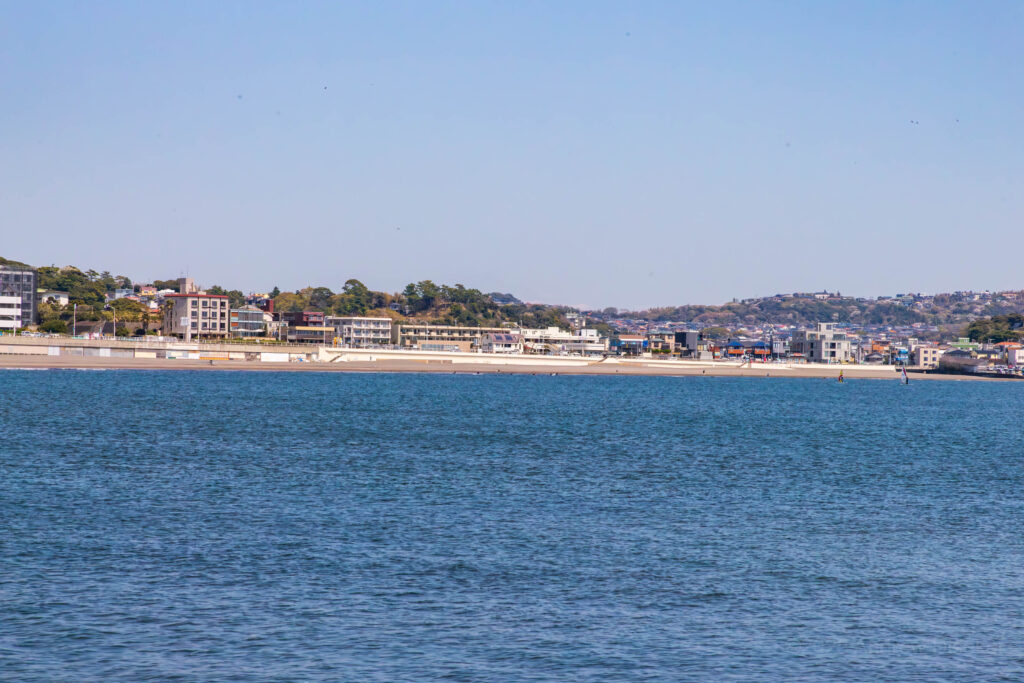
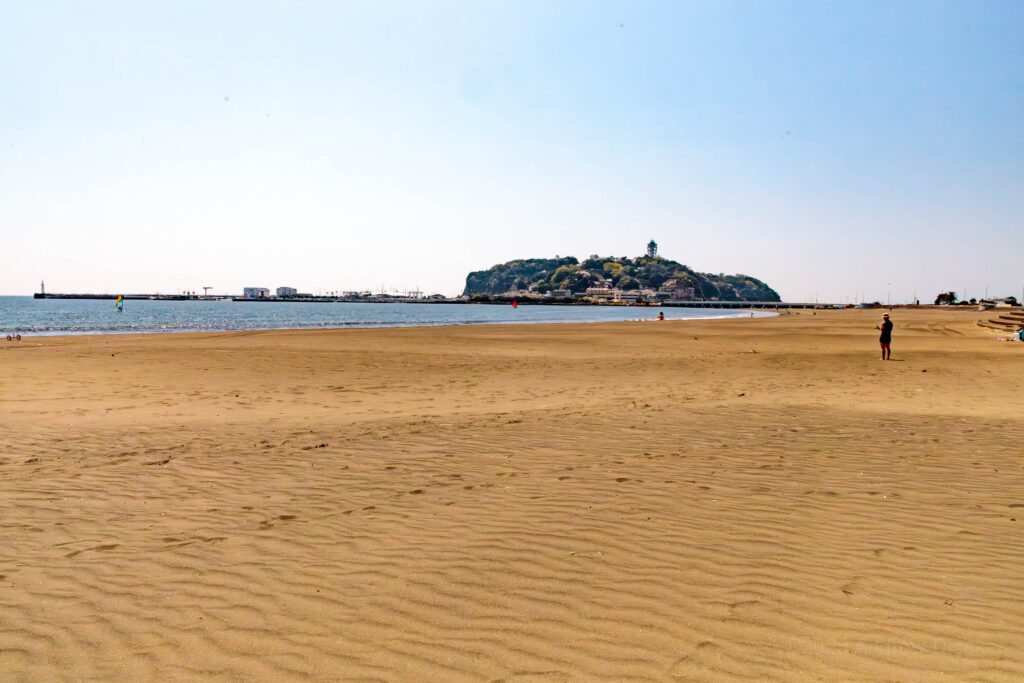
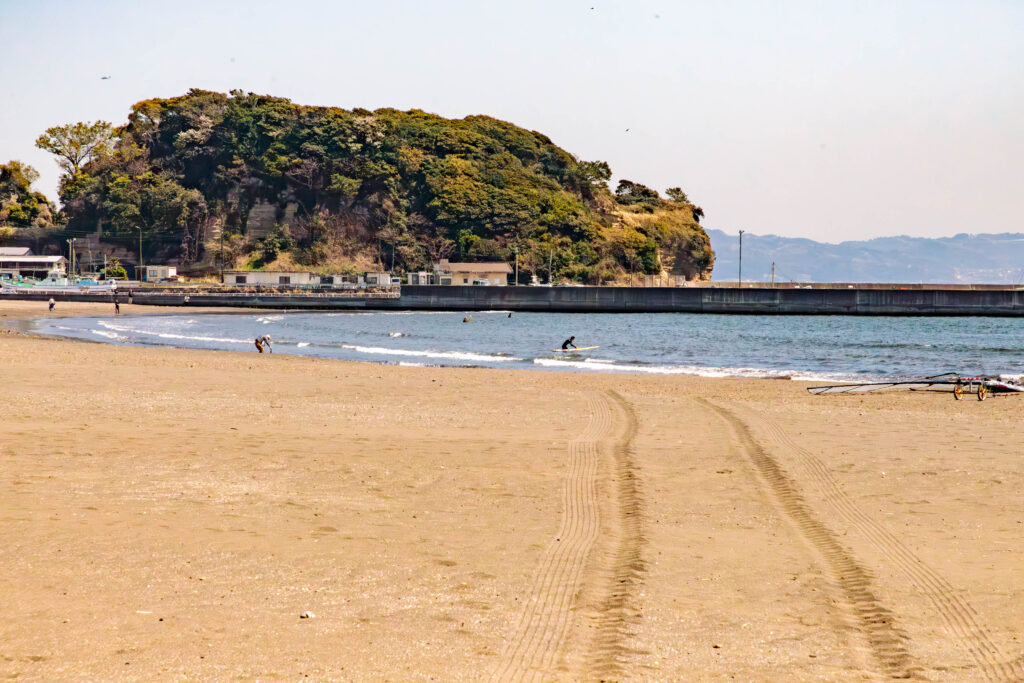
The main attraction for the Shonan area surrounding the island is the Shonan Beach, which stretches on both sides of the bridge leading to Enoshima. The water often becomes excited enough that the waves draw surfers, and many people like to enjoy wind surfing as well. The beaches are beautiful and clean, and very popular during the main season.
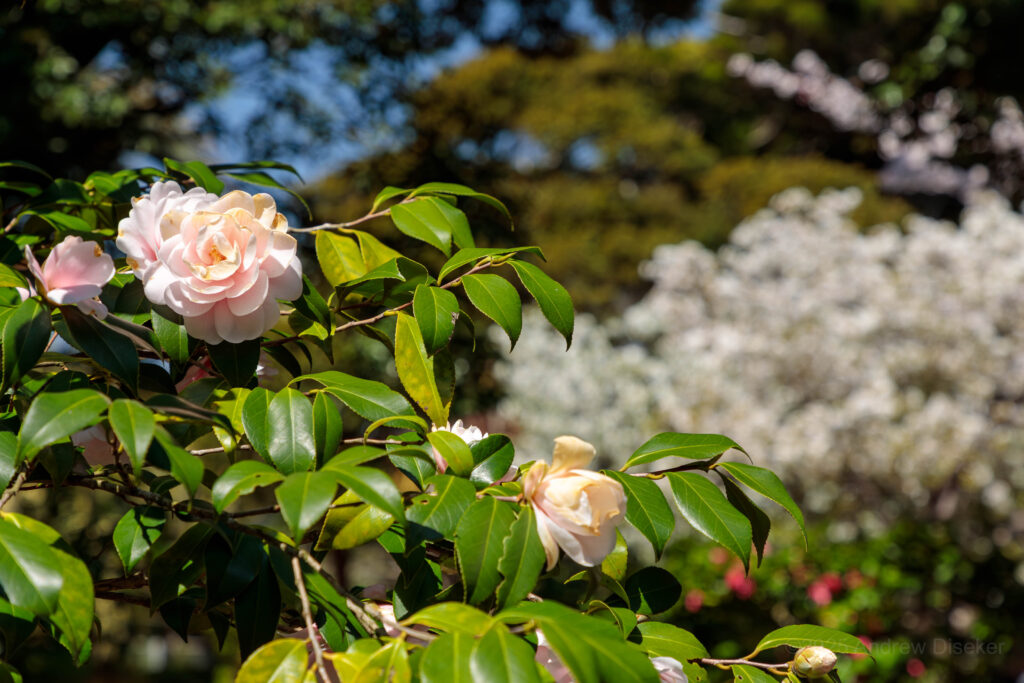
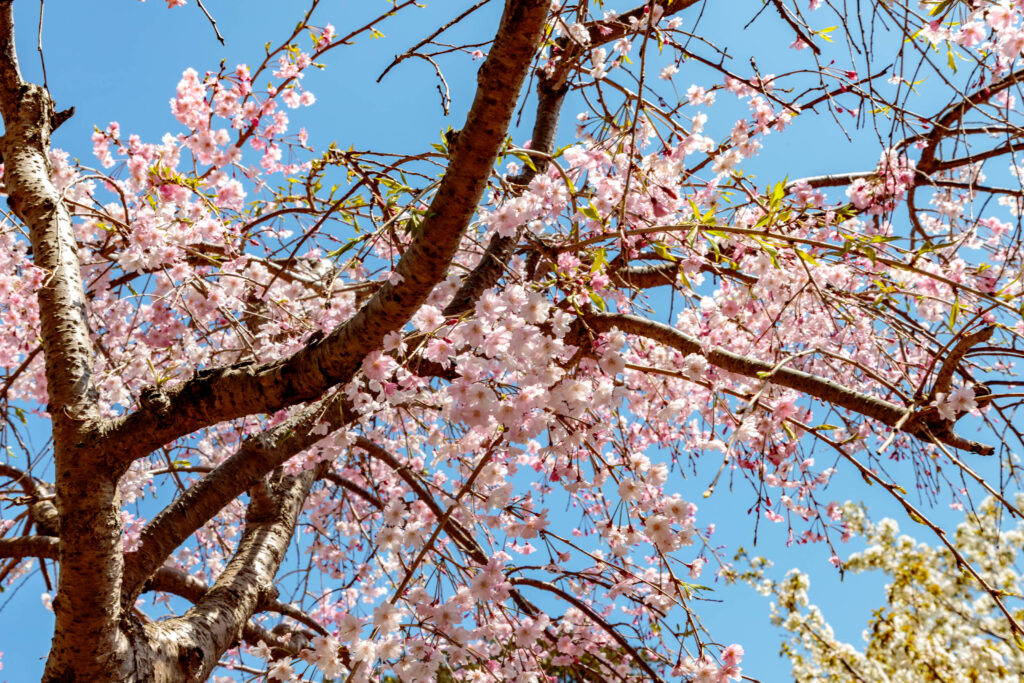
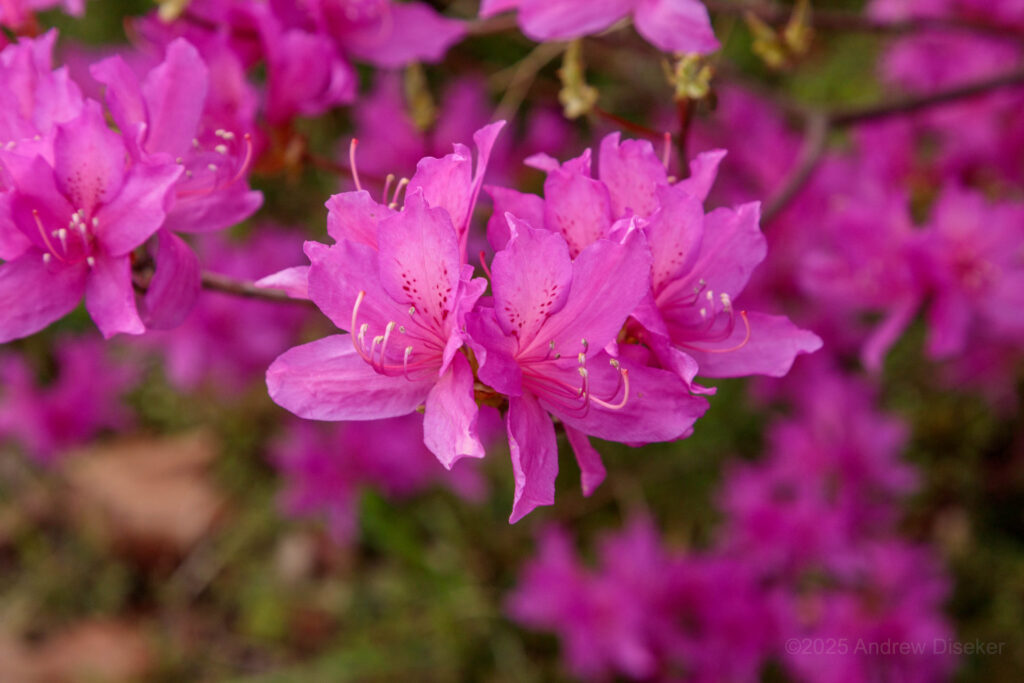
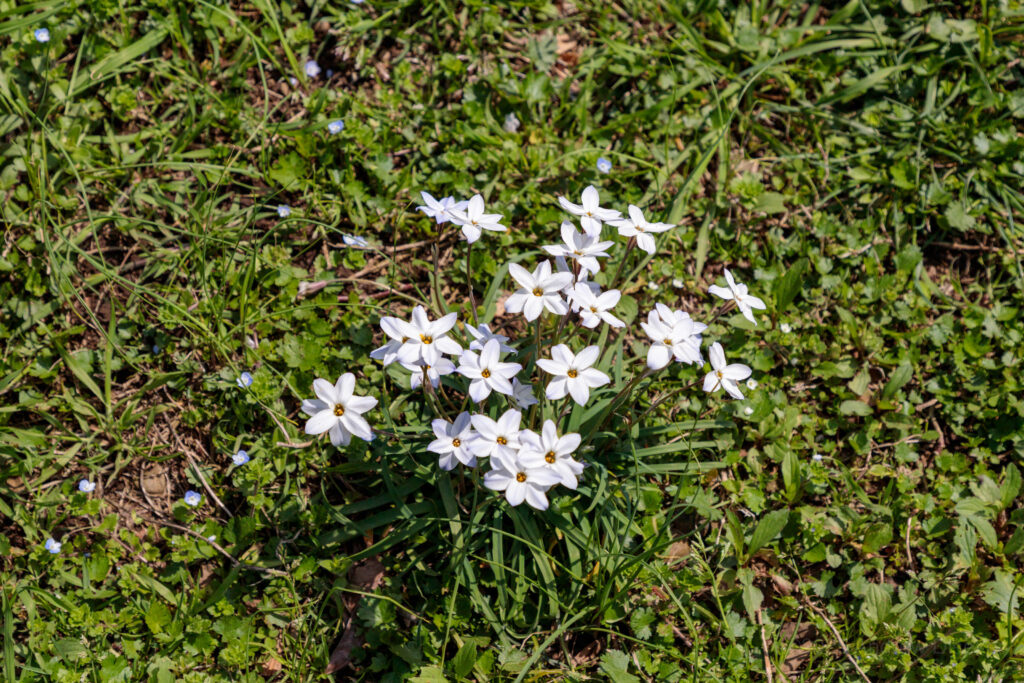
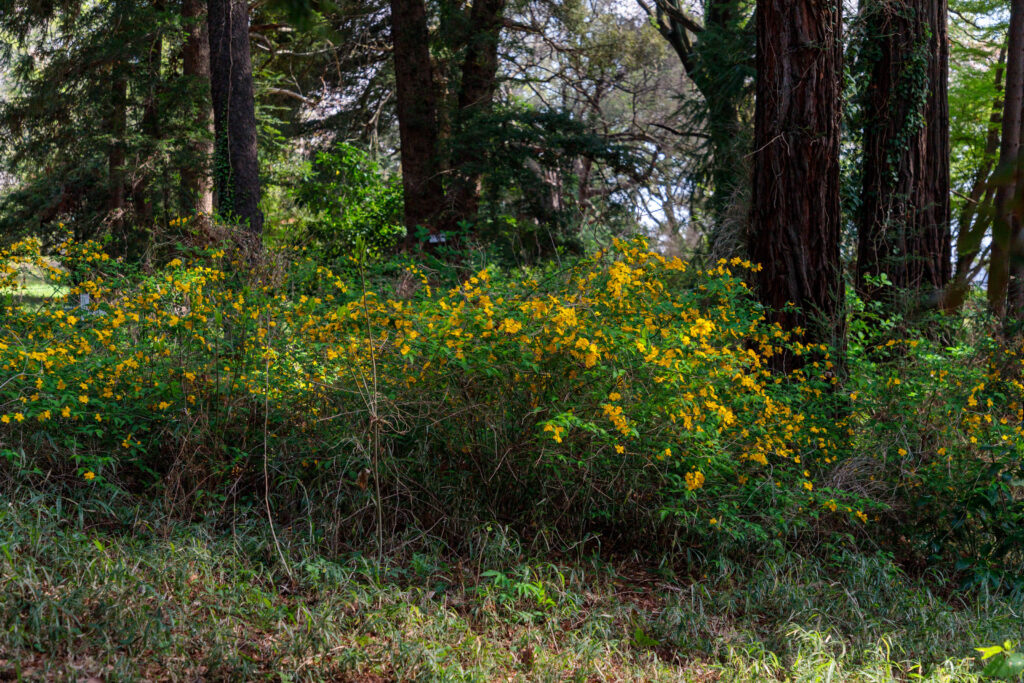
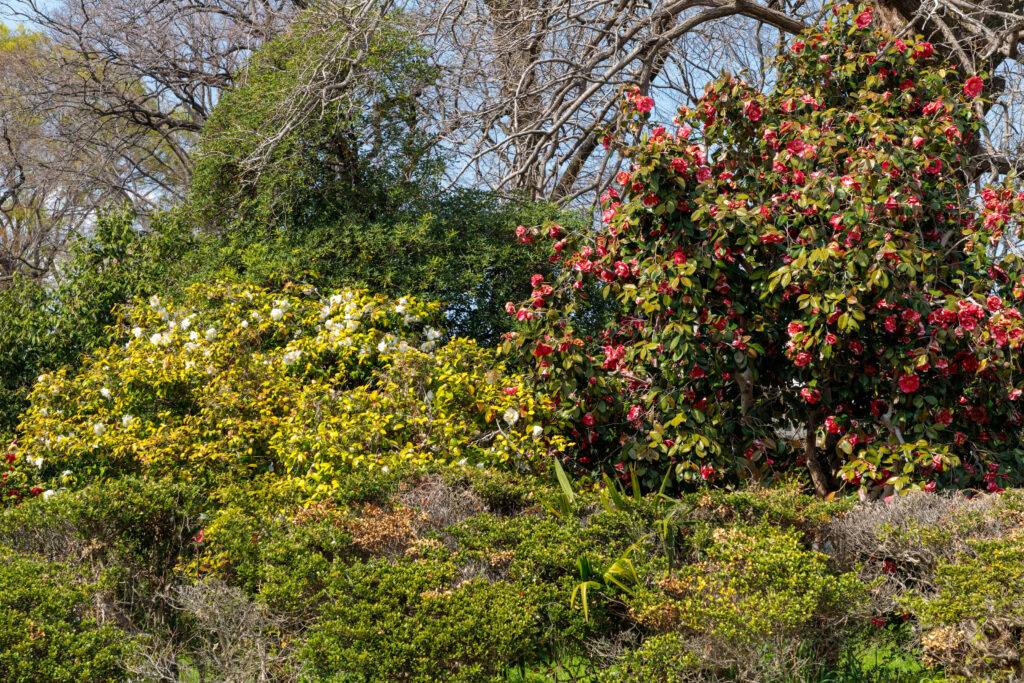
Well, that’s all I’m going to show for now, I’ll post a part 2 sometime in the next few days! Here are a few more flowers from this first part!
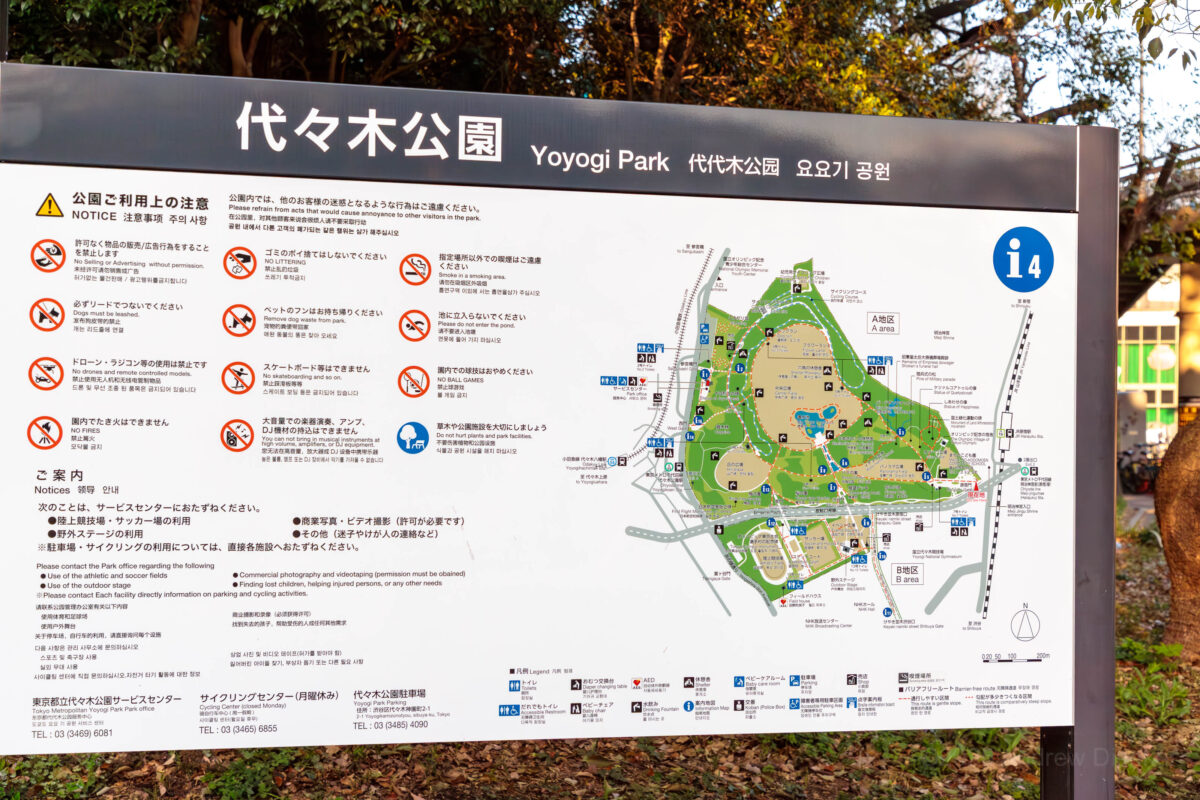
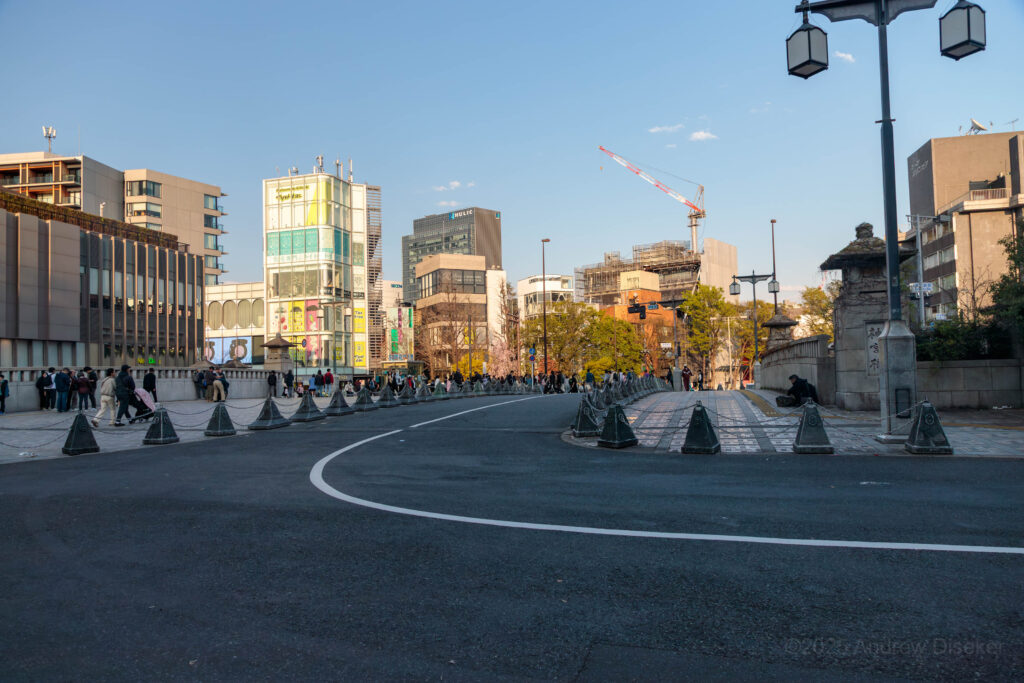
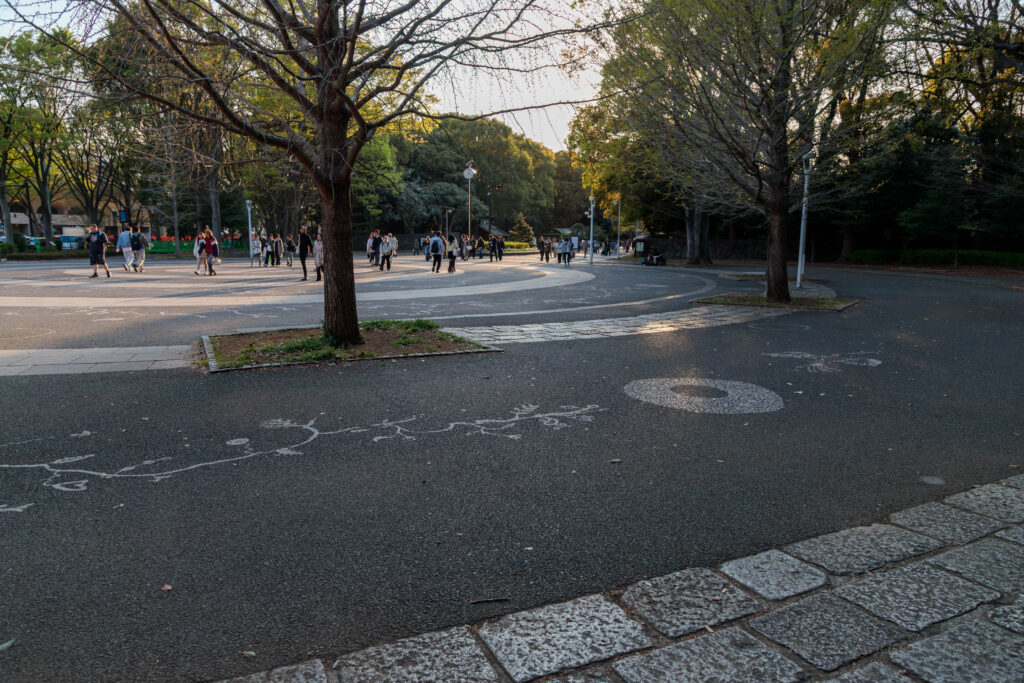
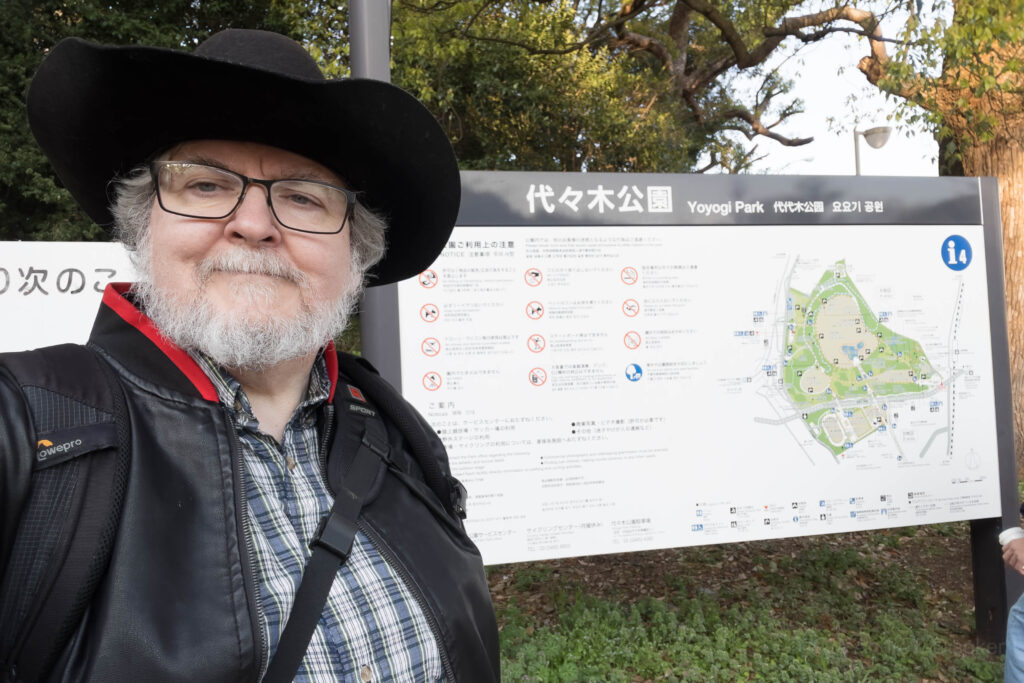
After finishing up wandering around the grounds of the Meiji Jingu Shrine, and as the sun was heading down the sky, I figured it was about time to check out Yoyogi Park, literally right next to the shrine. The entrance to Yoyogi is a large plaza, with abstract art embedded in the stones of the plaza. I’m not sure what they’re supposed to be, but they are interesting.
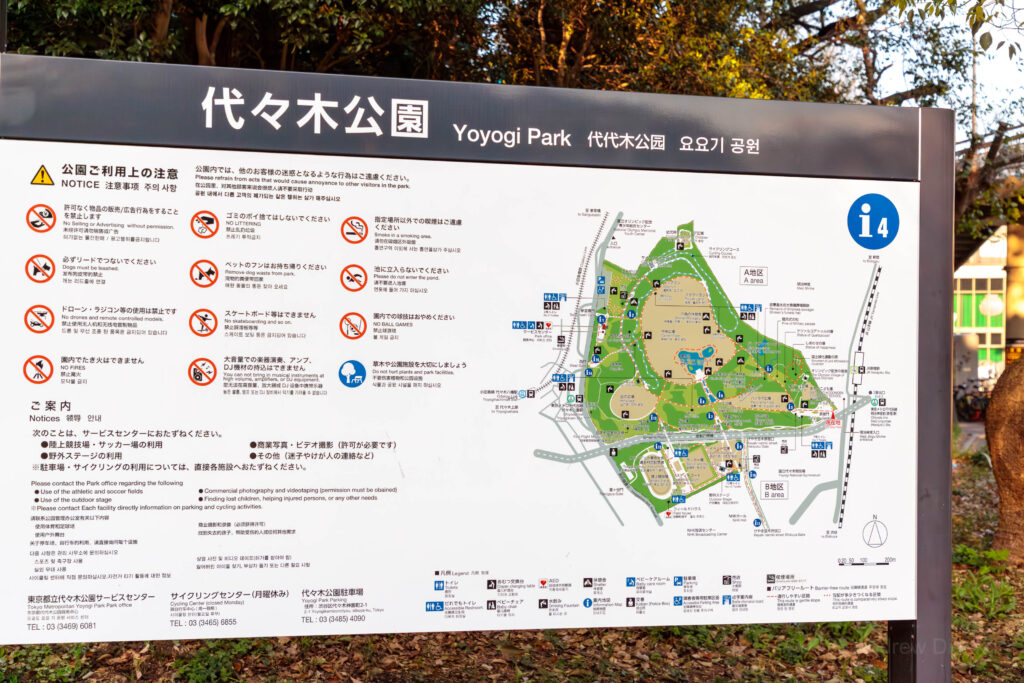
Yoyogi Park has a large garden area, with plenty of paths to wander through them. There is also a large pond with fountains that are lit with various colors in the evening, but these were being renovated when I was there, and they won’t be done until after I leave. I was disappointed and looking forward to seeing them! But, the flower gardens didn’t disappoint, they were amazingly varied and almost all in bloom. Apparently they won an award as well!
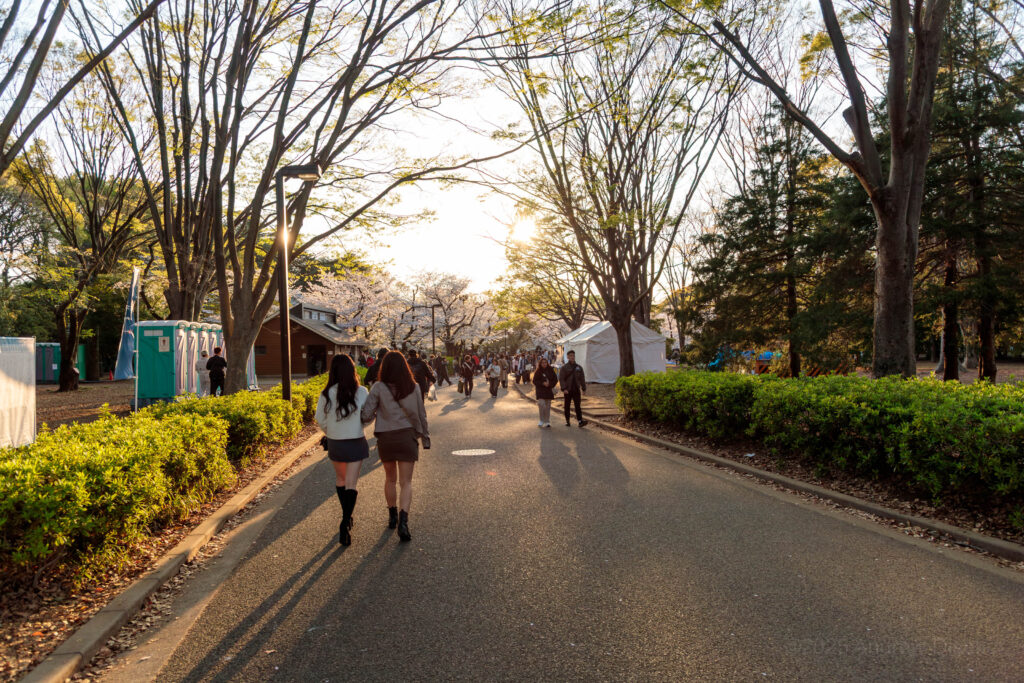
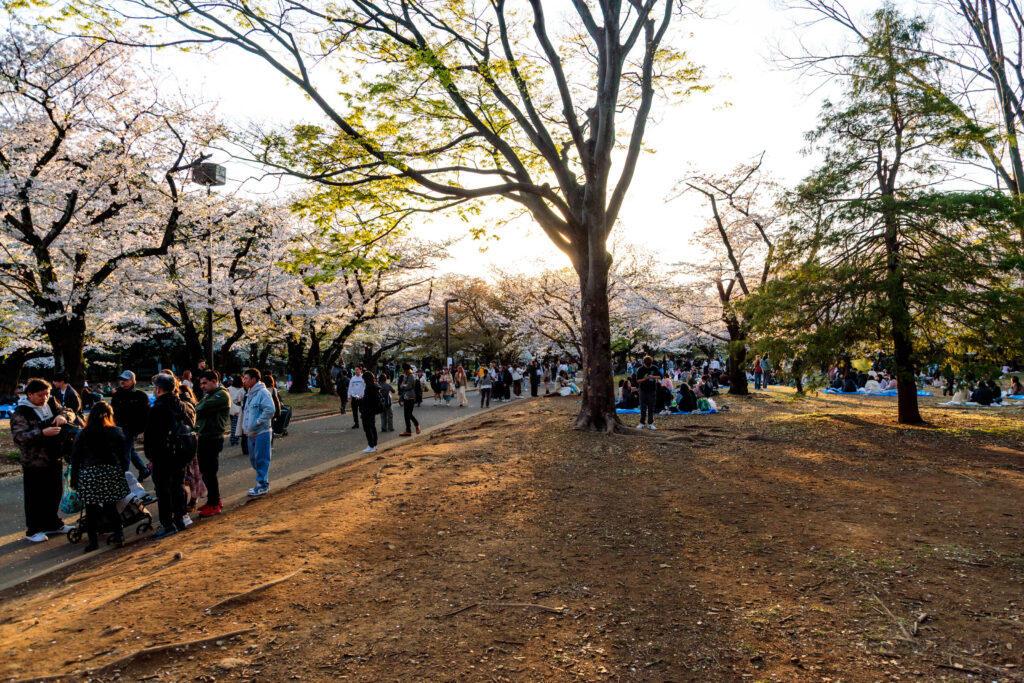
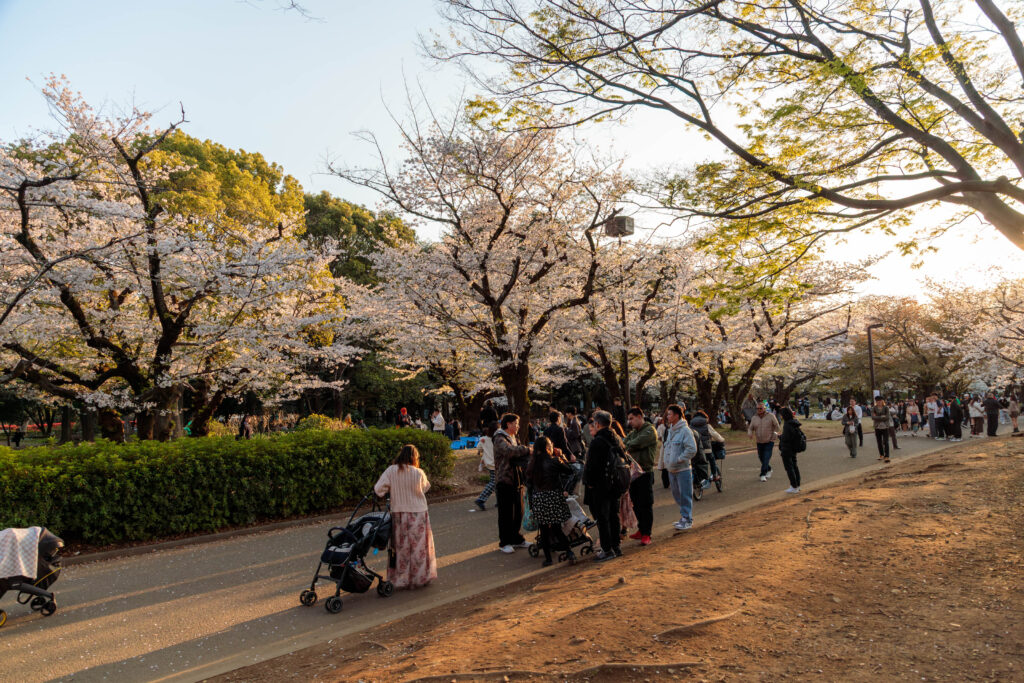
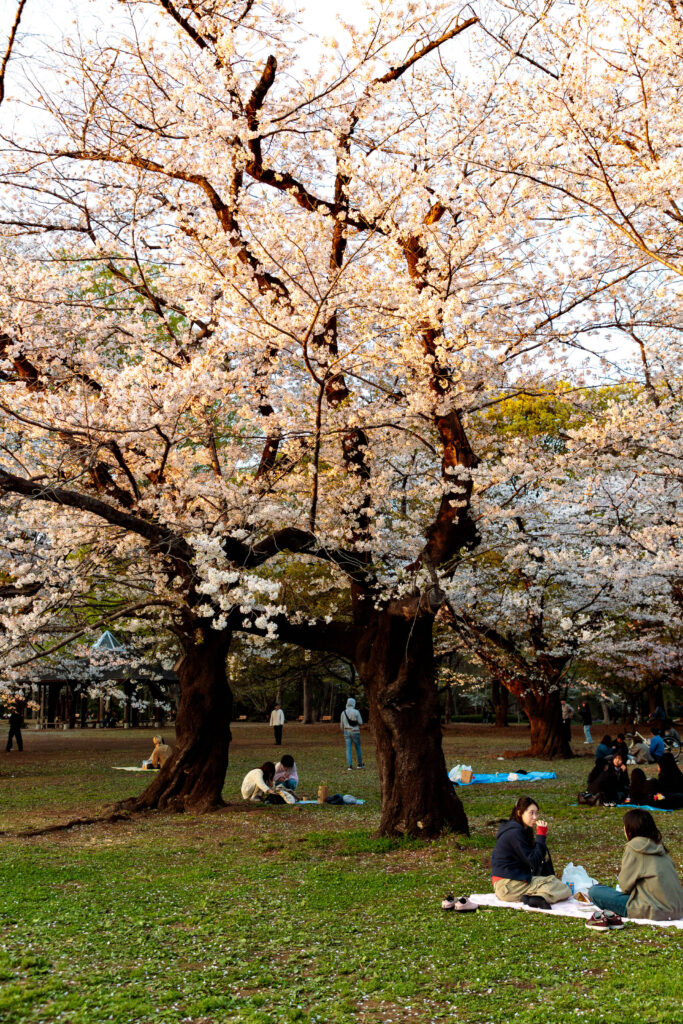
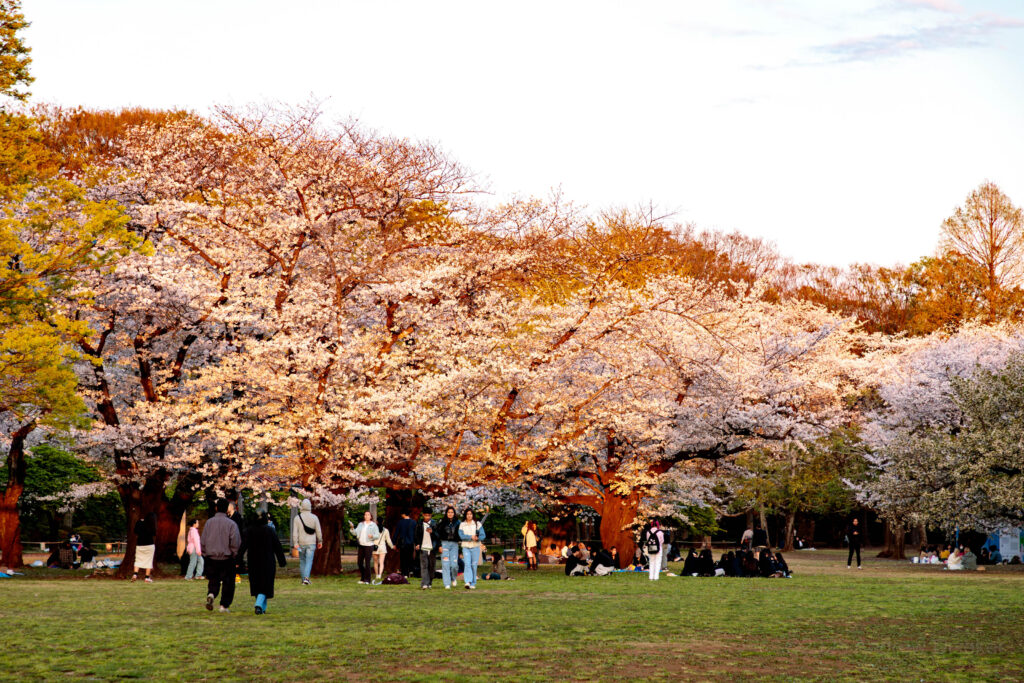
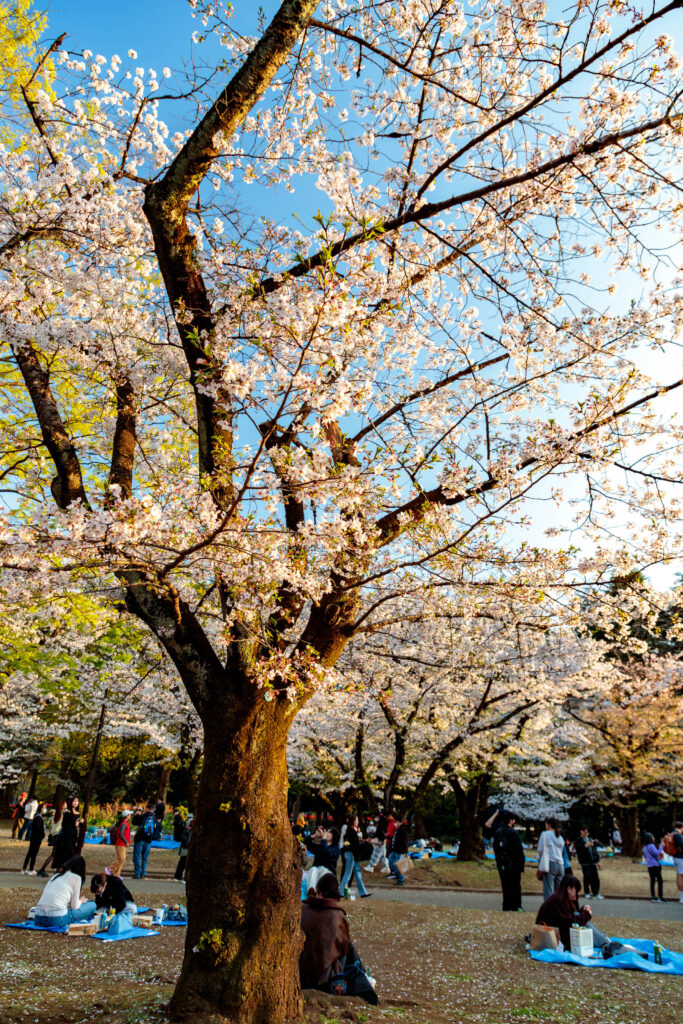
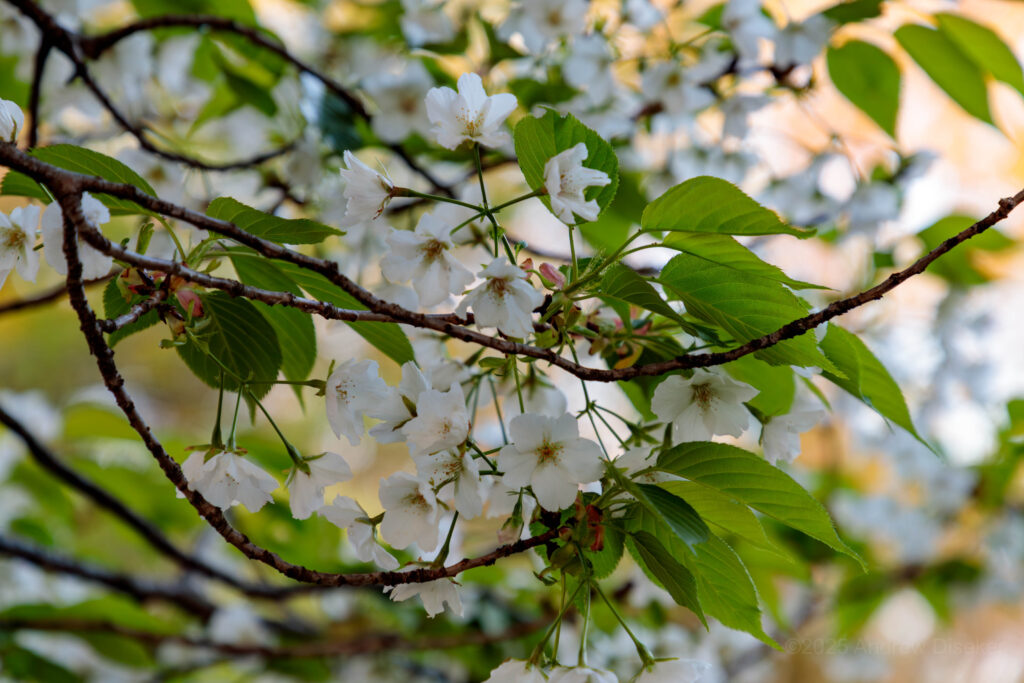
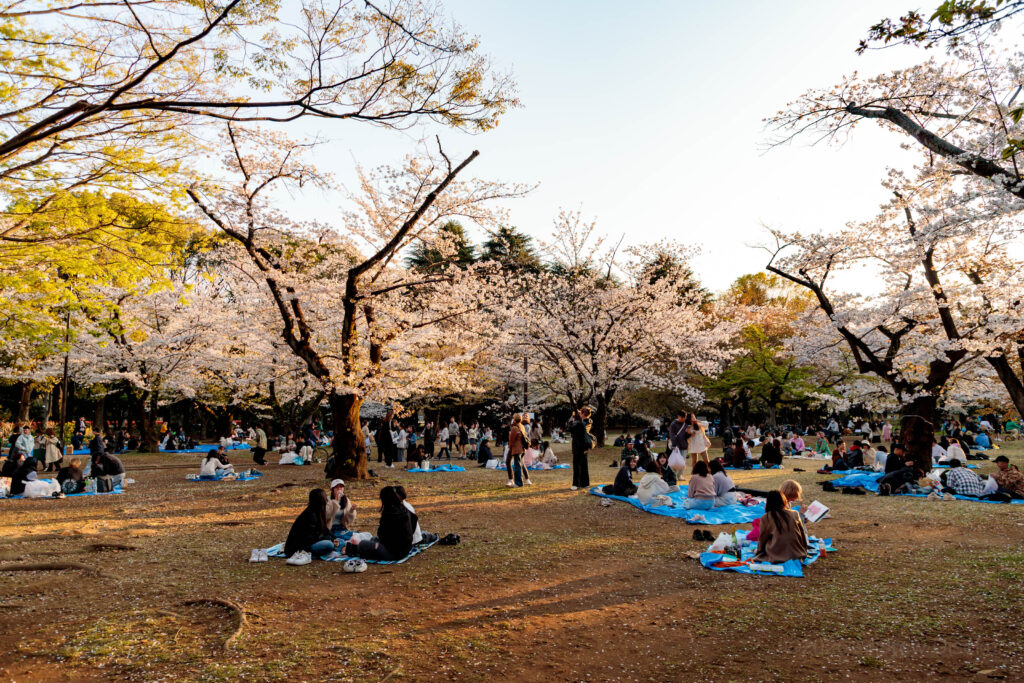
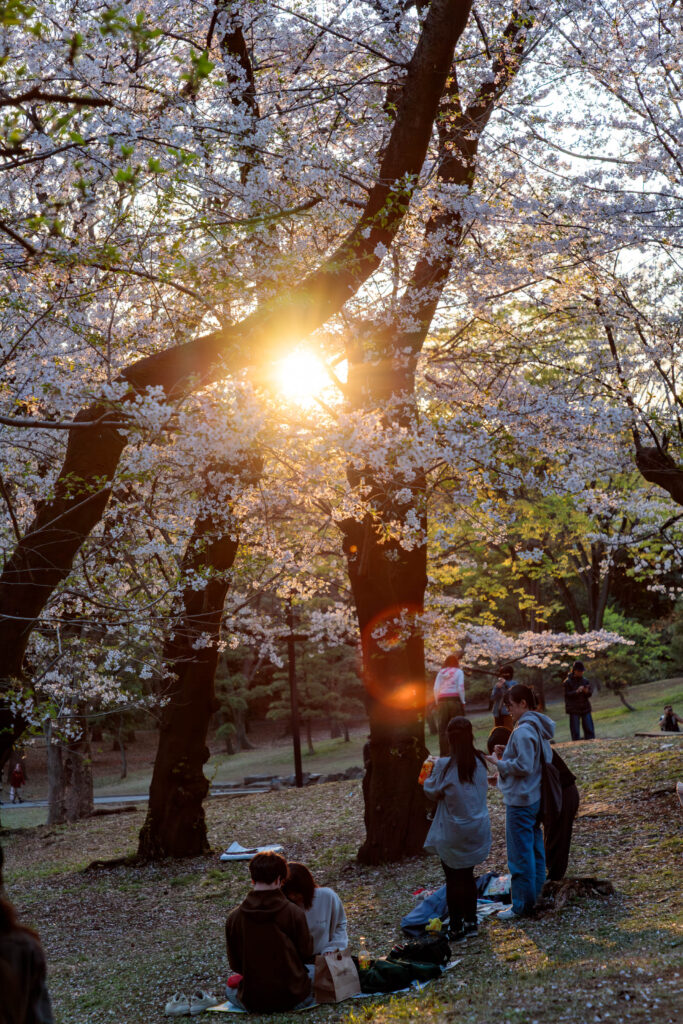
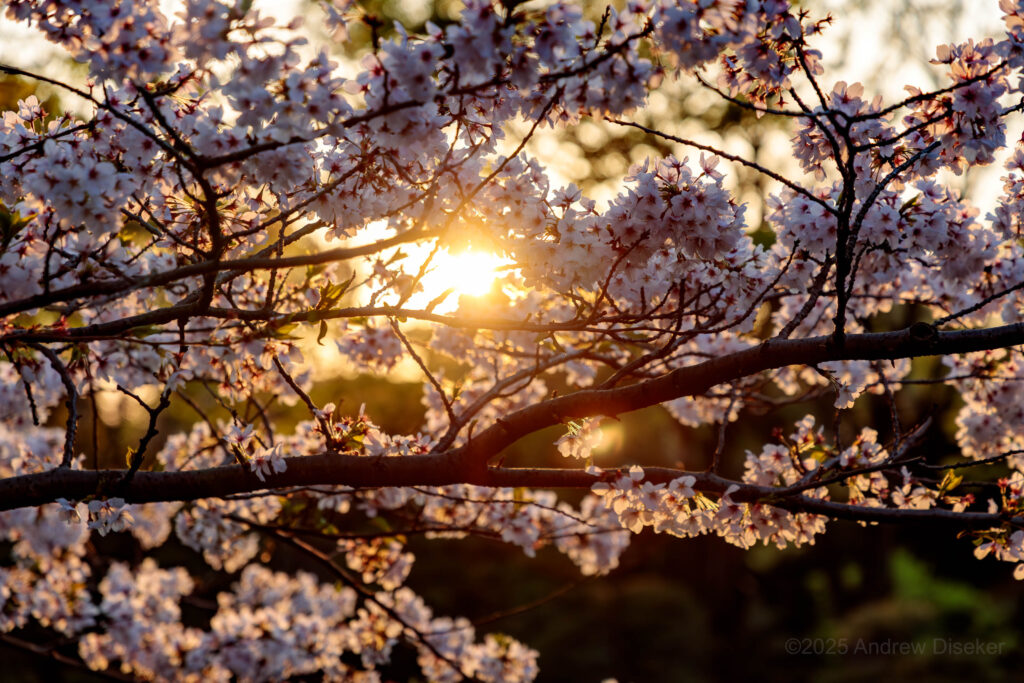
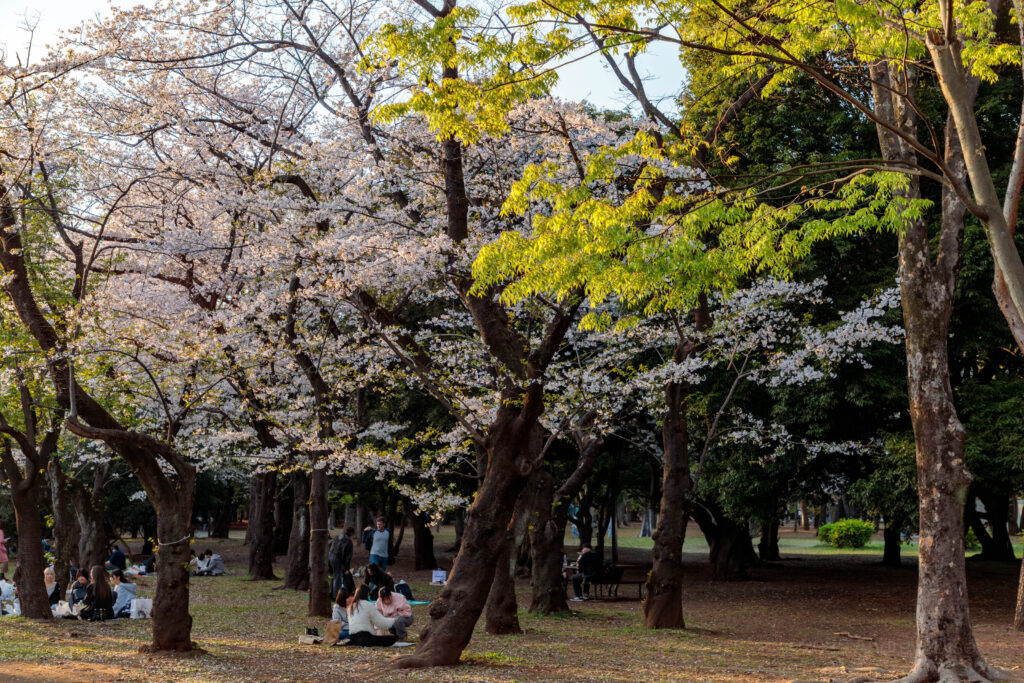
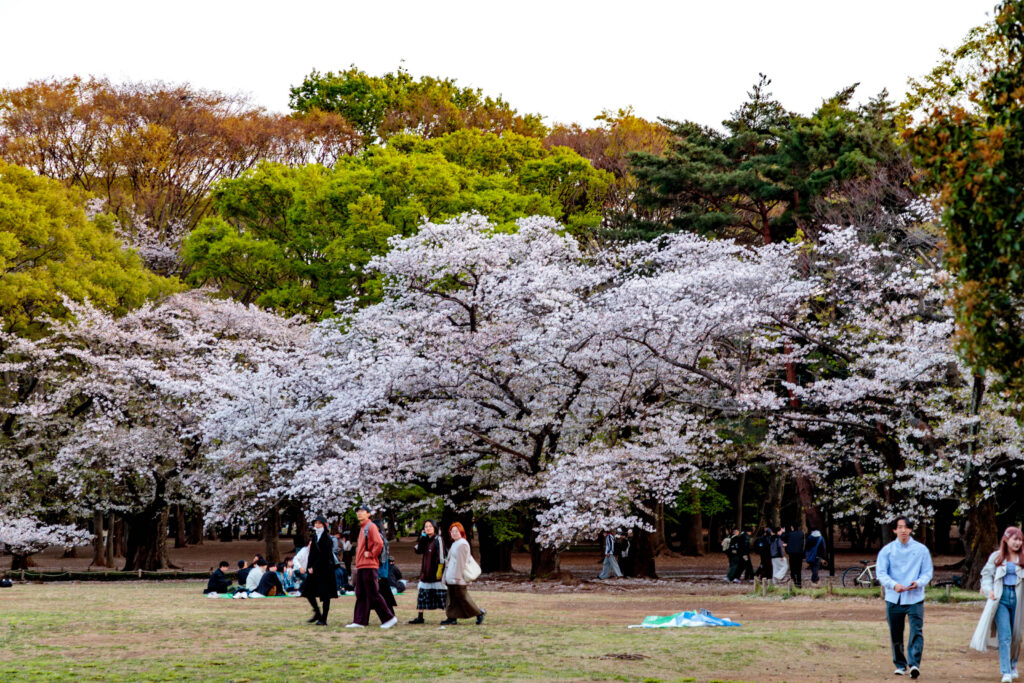
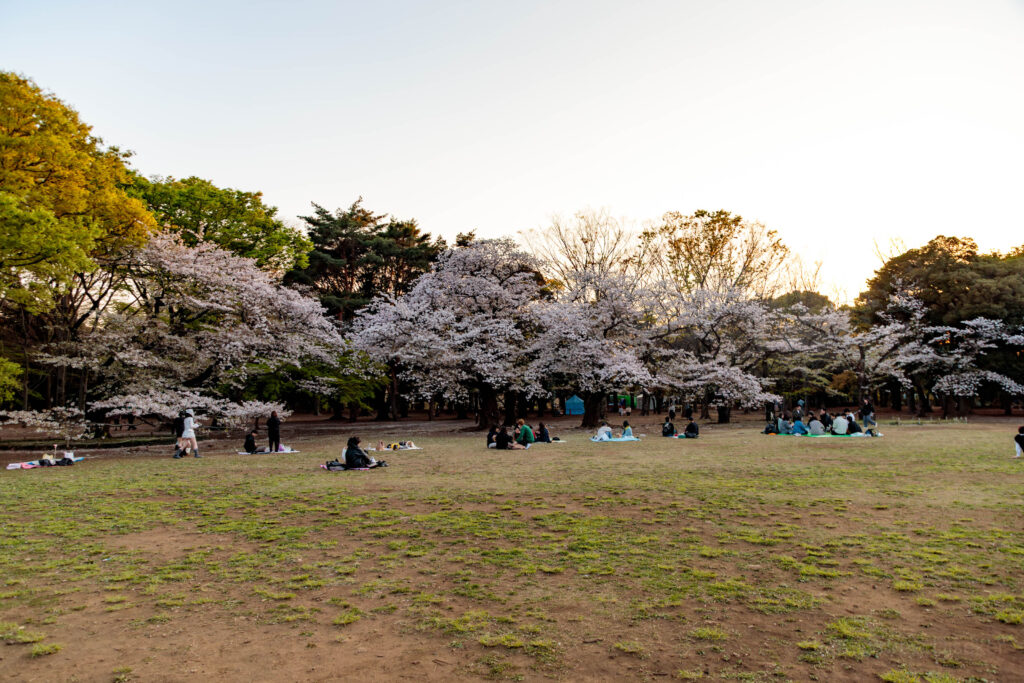
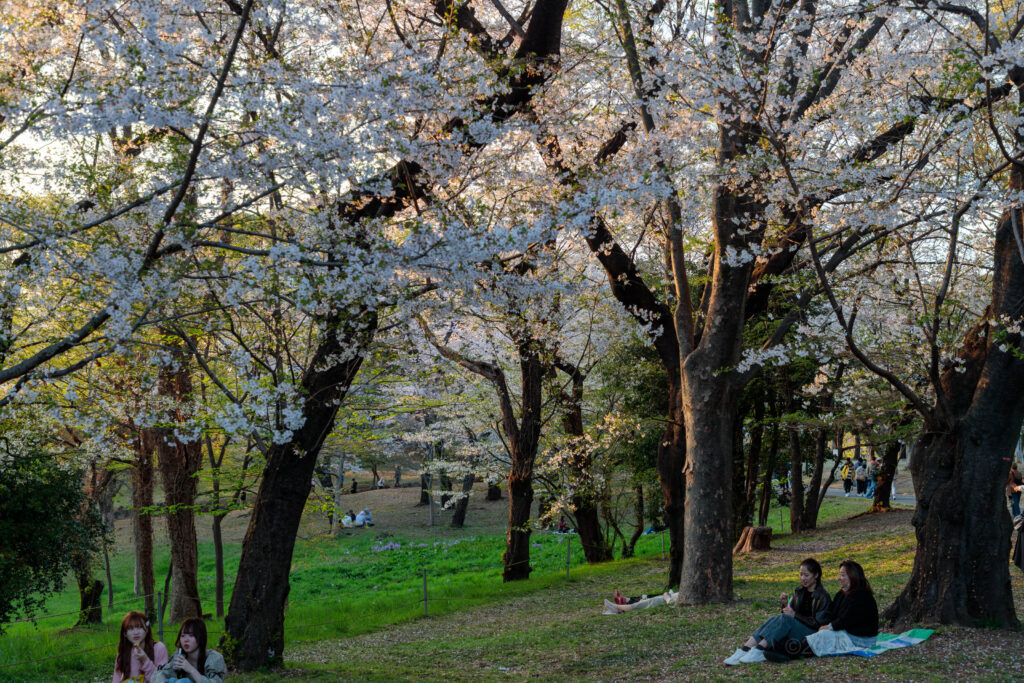
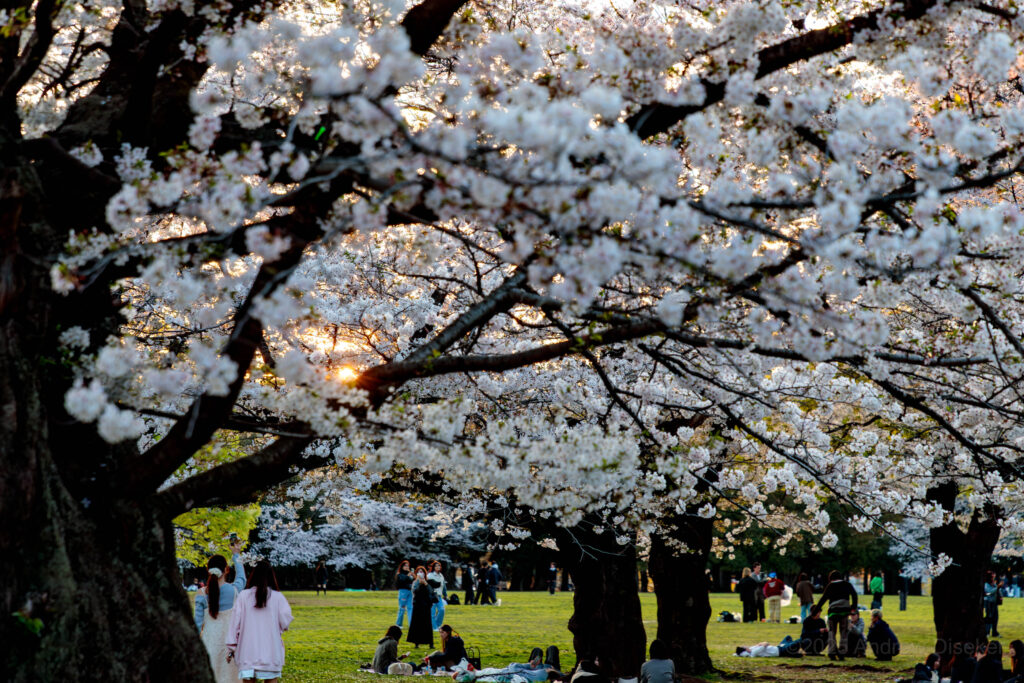
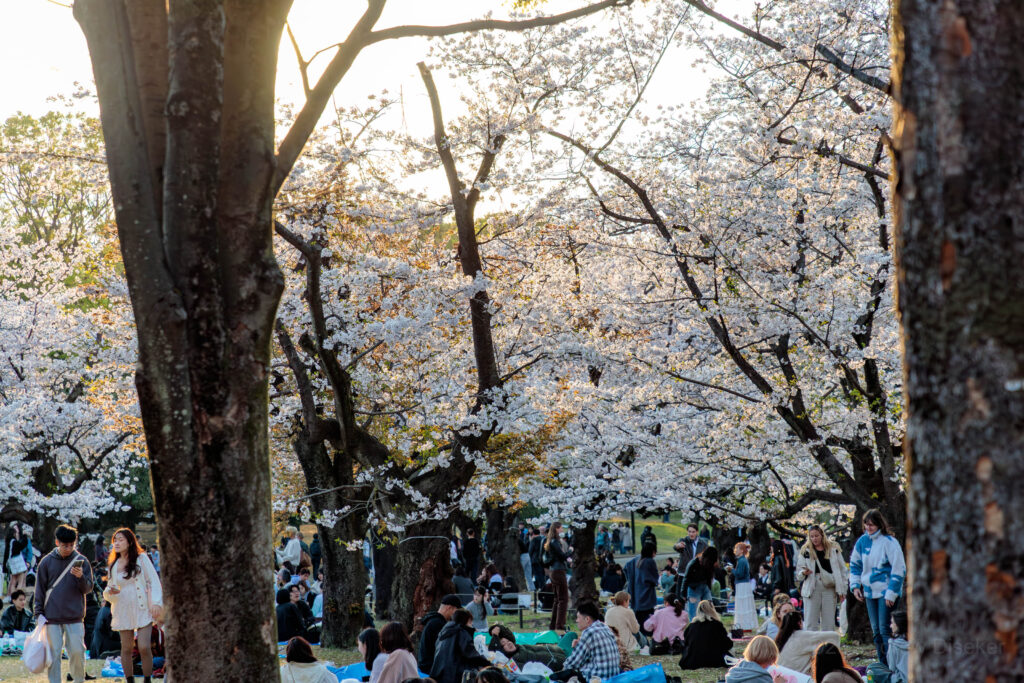
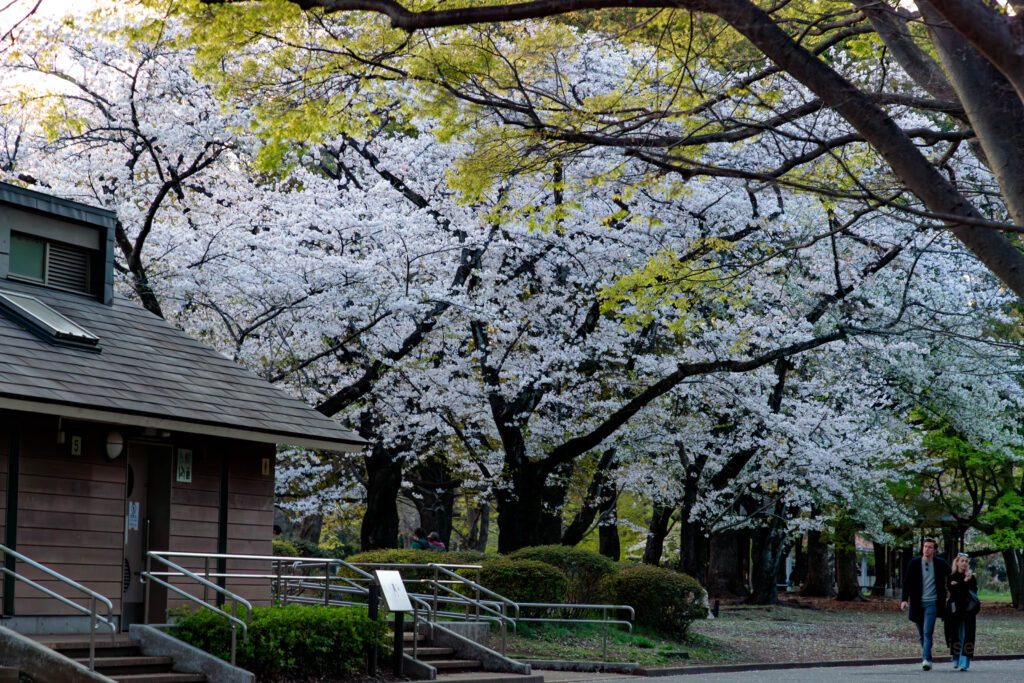
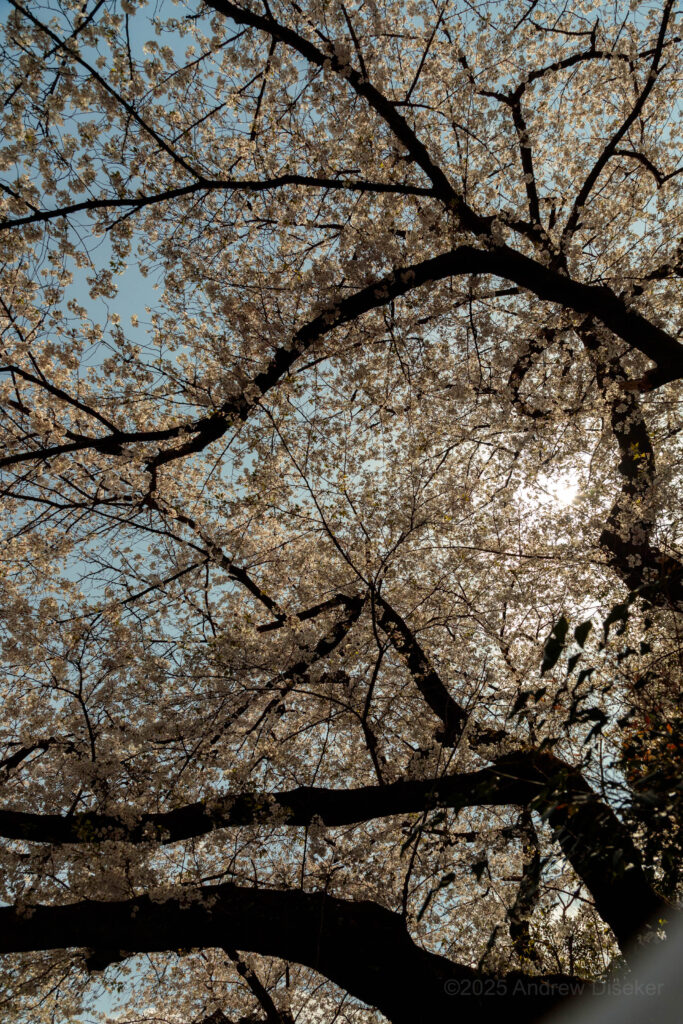
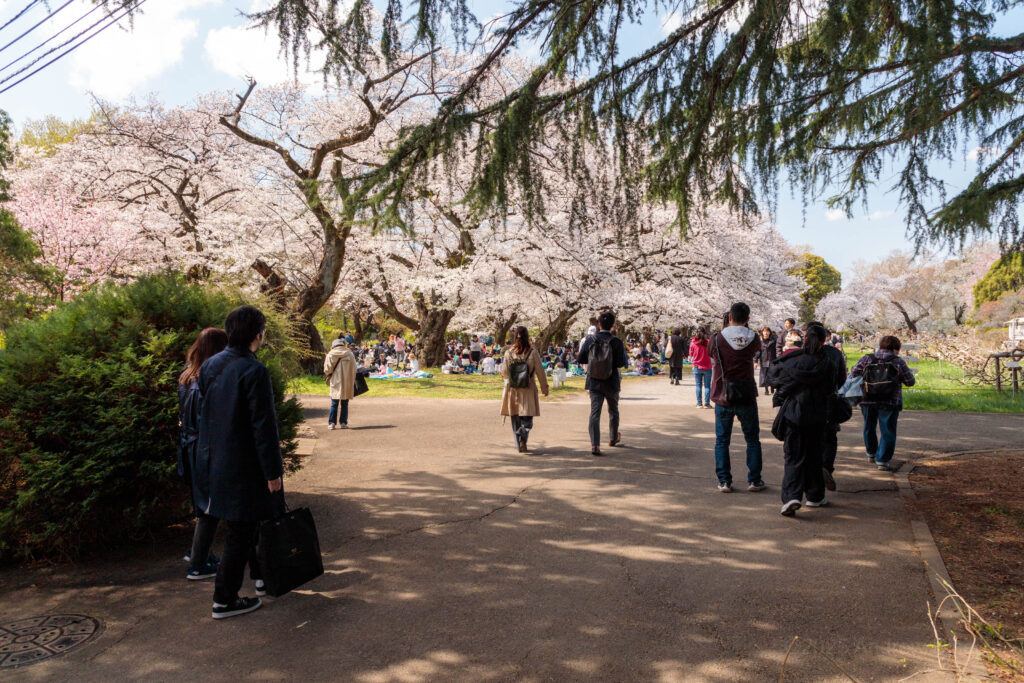
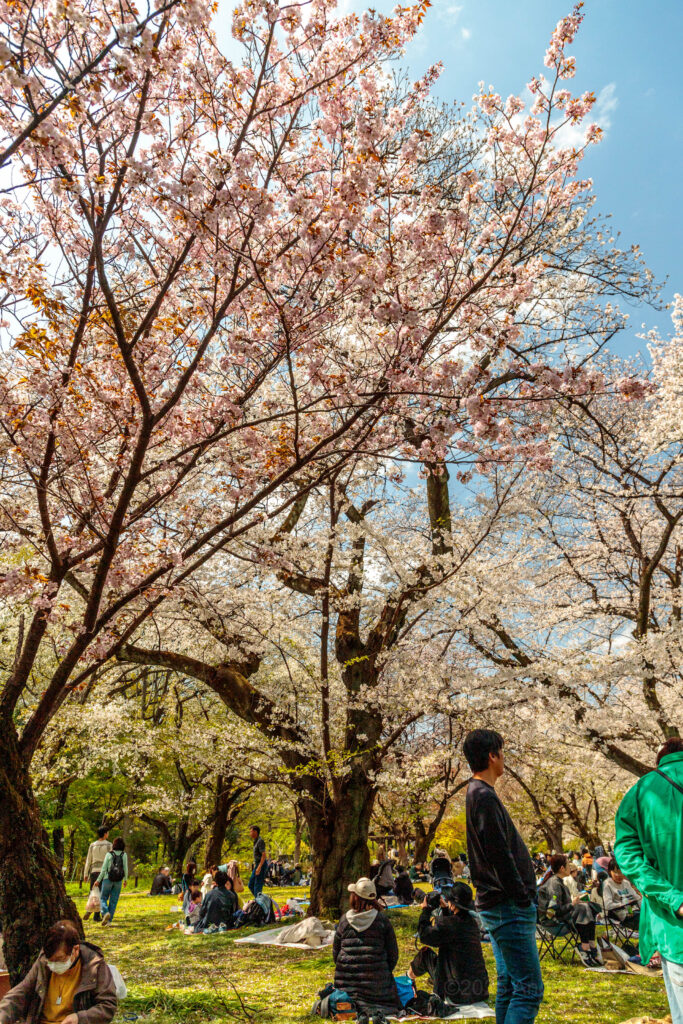
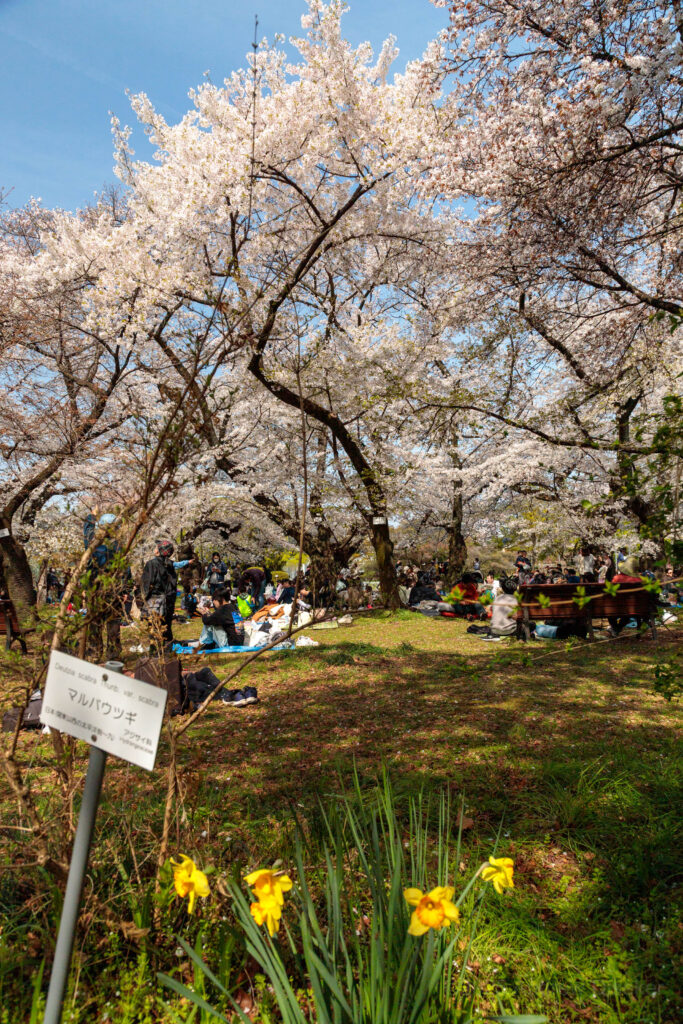
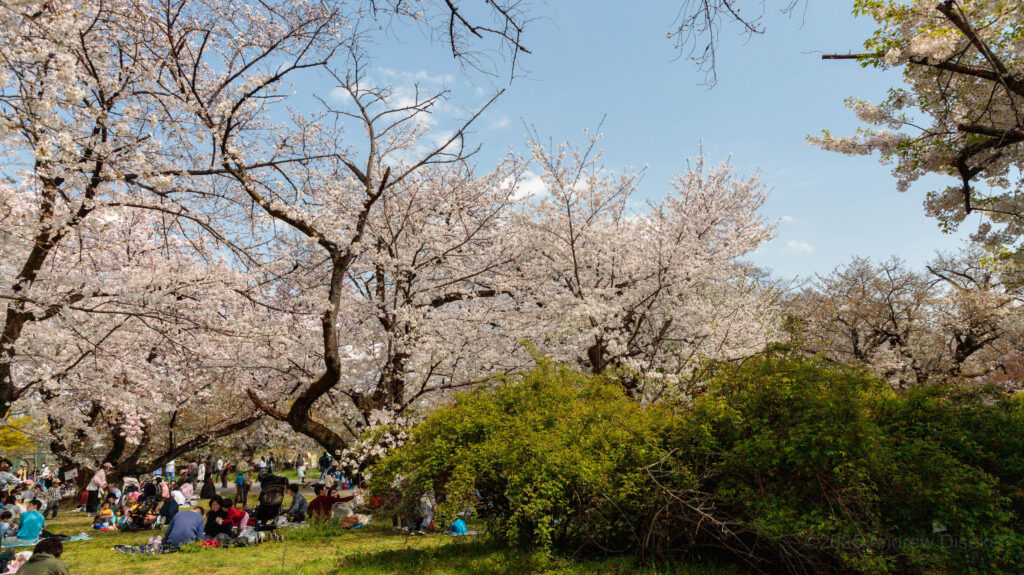
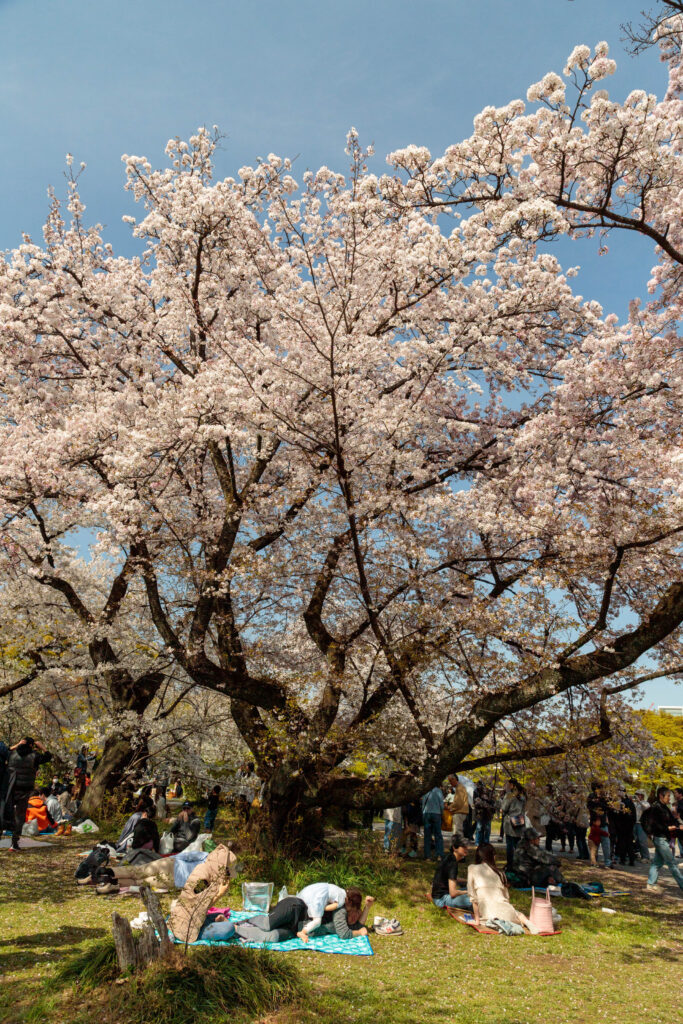
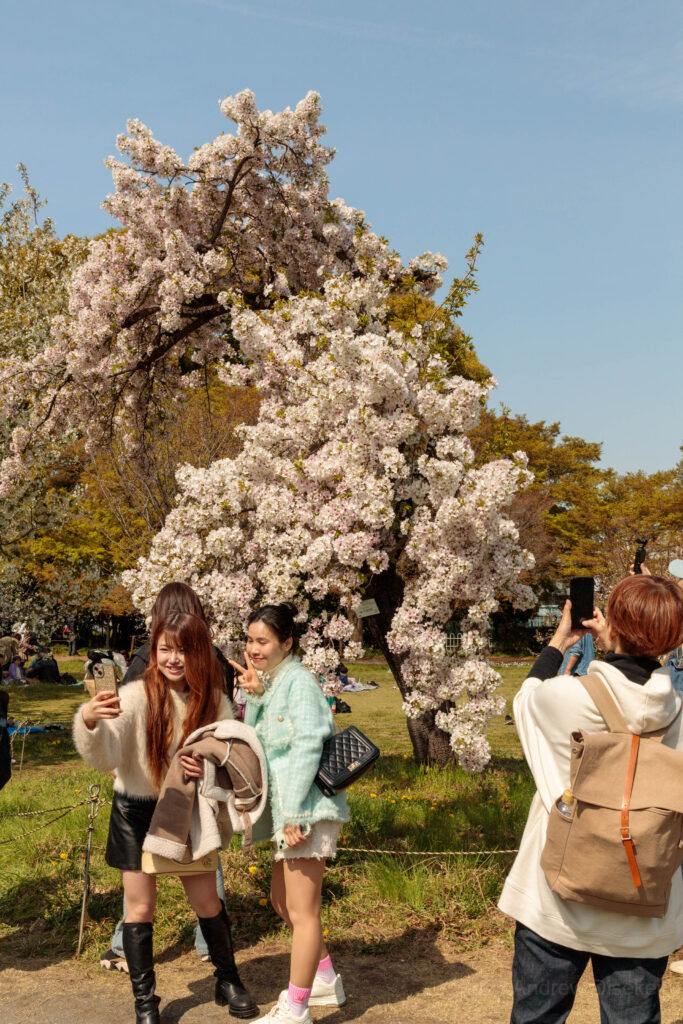
As I walked on the paths I ended up towards the back of the park, where I found all of the cherry trees, which were in still full bloom. There were of course a whole lot of people there, also enjoying the blossoms and having fun in groups of families, school classes and office staffs. There were quite a few foreign tourists as well, but thankfully it wasn’t crowded, and we all could enjoy the beauty.
So, it was the end of a long day, not as long as others, but I got back to my apartment nicely tired. I didn’t do anything special the next day since it was raining, but the Tuesday the 9th was forecast to be nice, so I determined to go somewhere that I had a chance to see Mount Fuji!
After I left the Koishikawa Botanical Garden I decided to just go back to my apartment in Monzennakacho, since walking around and up and down hills basically wore me out. I managed to walk almost 6 miles though!
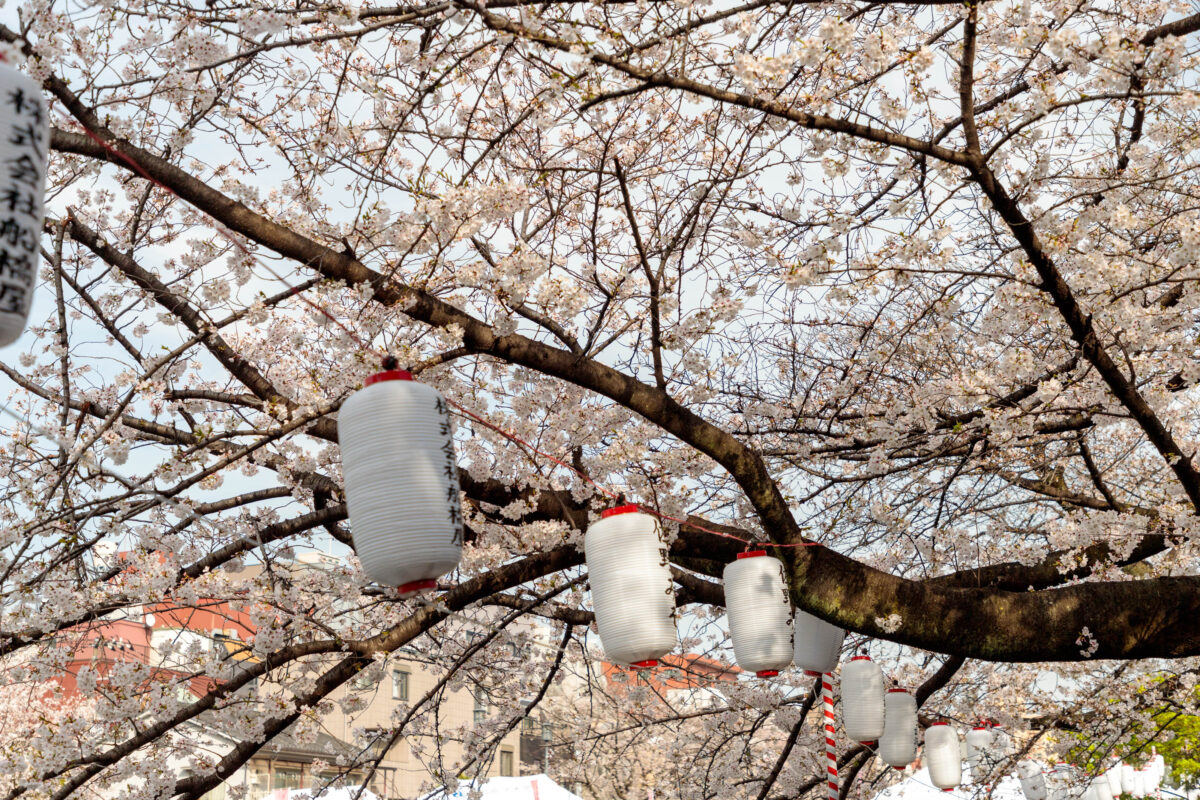
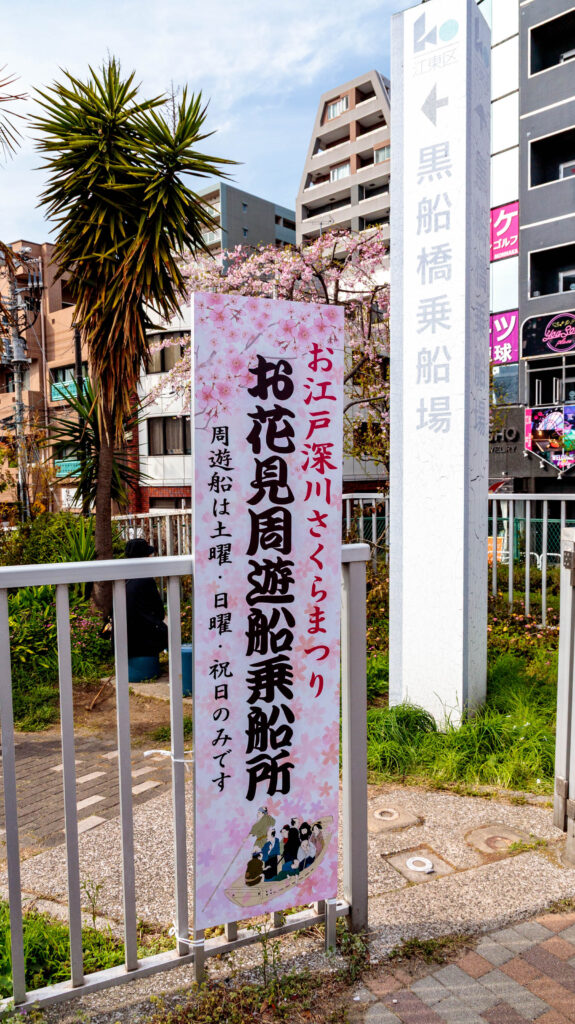
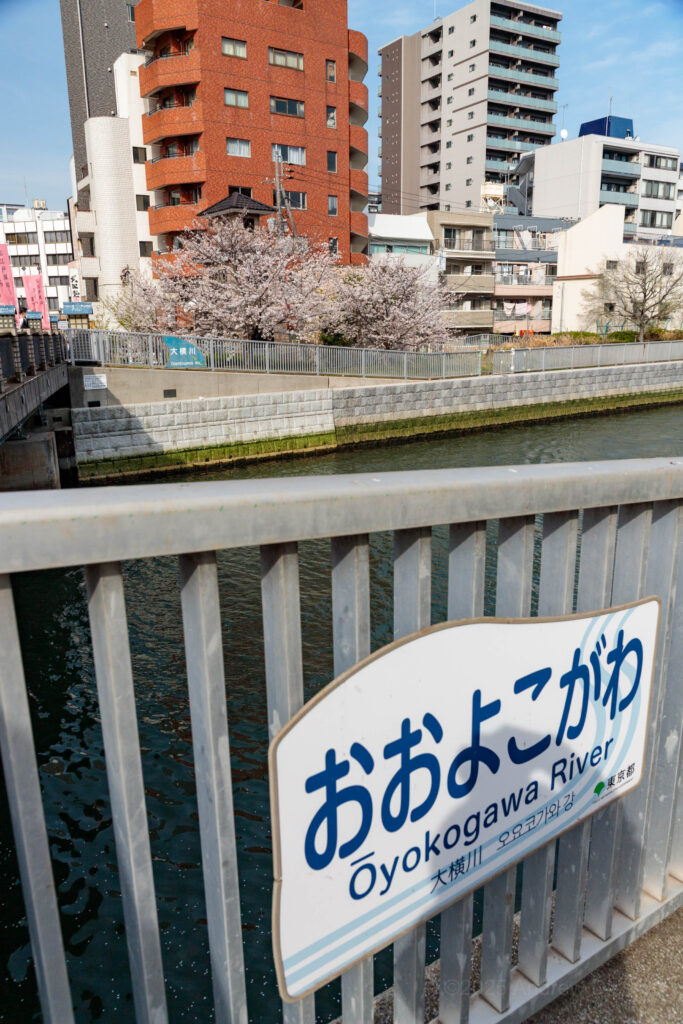
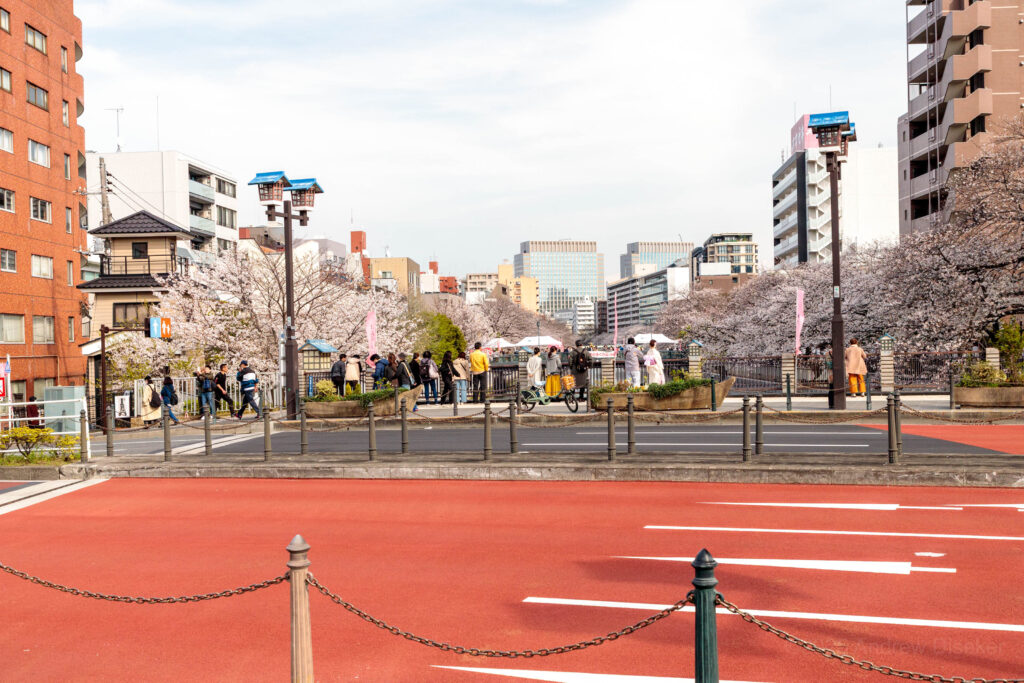
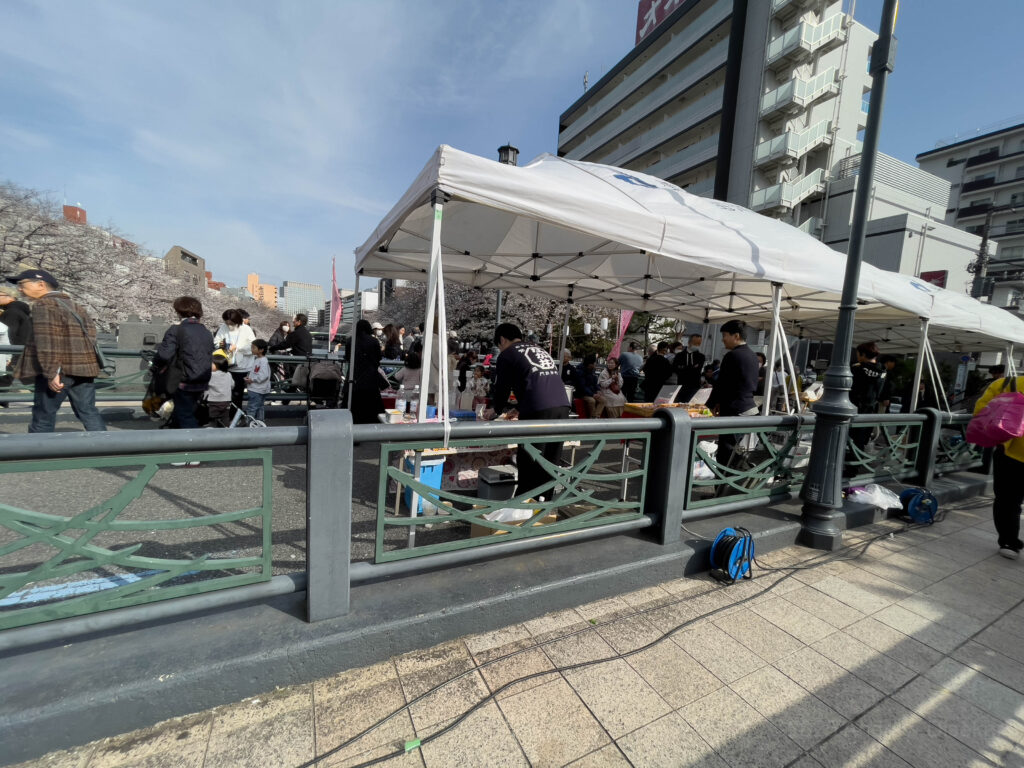
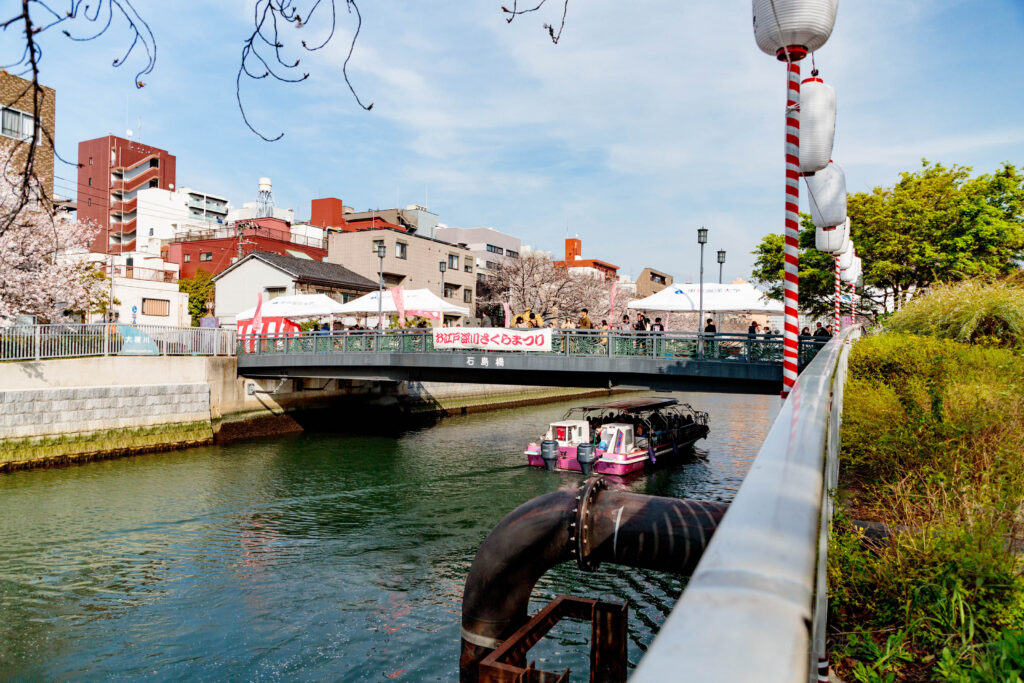
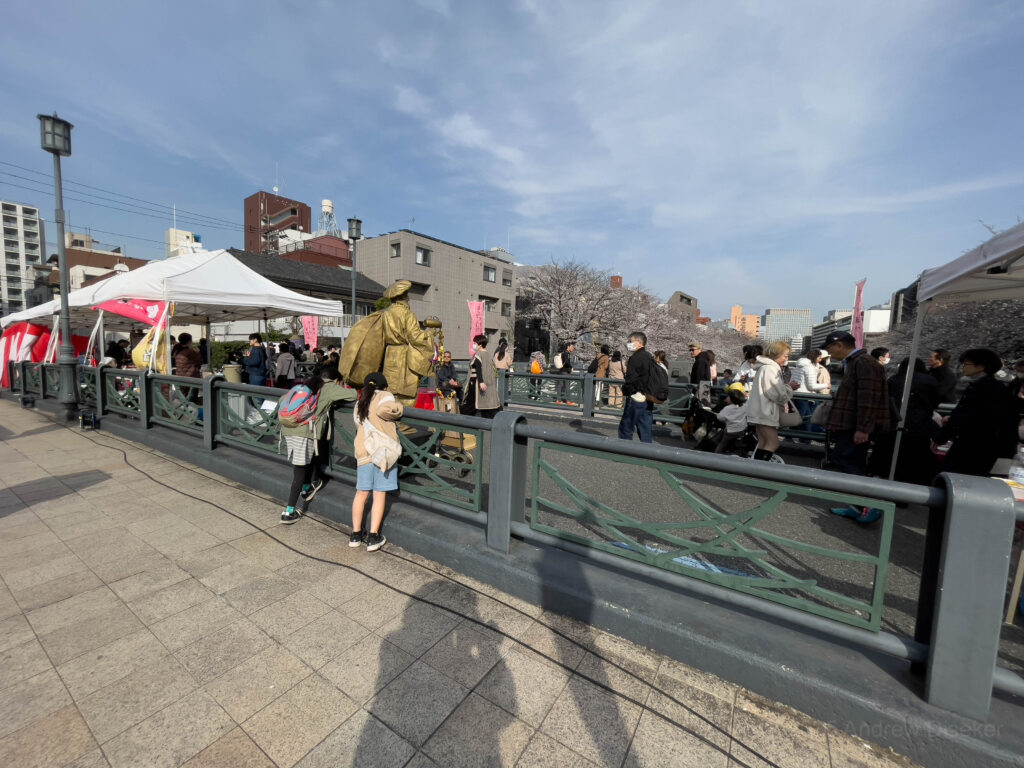
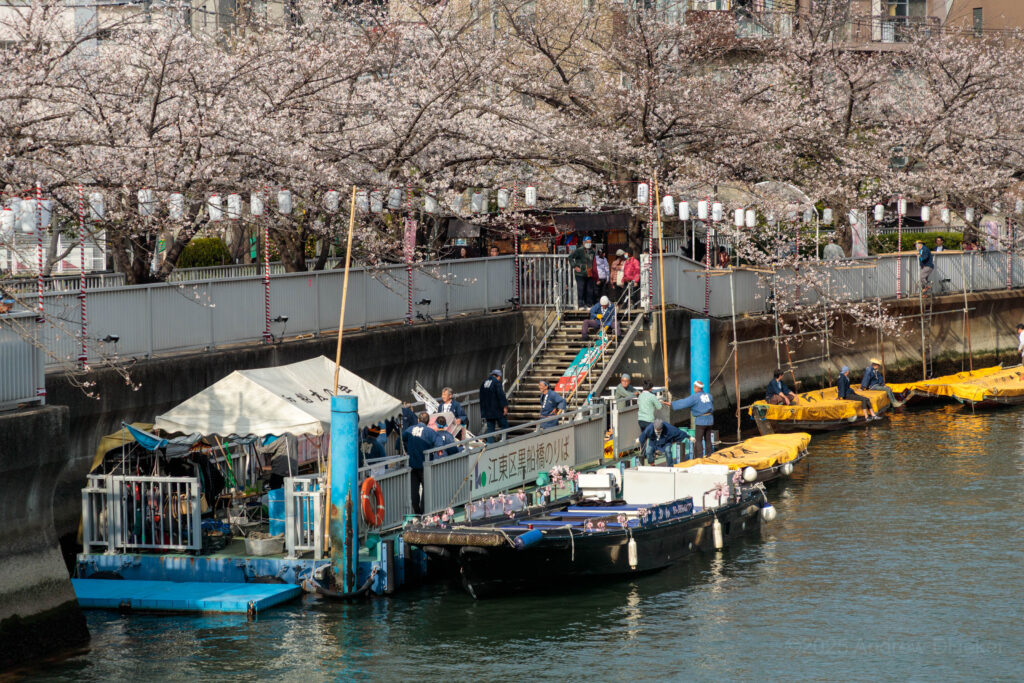
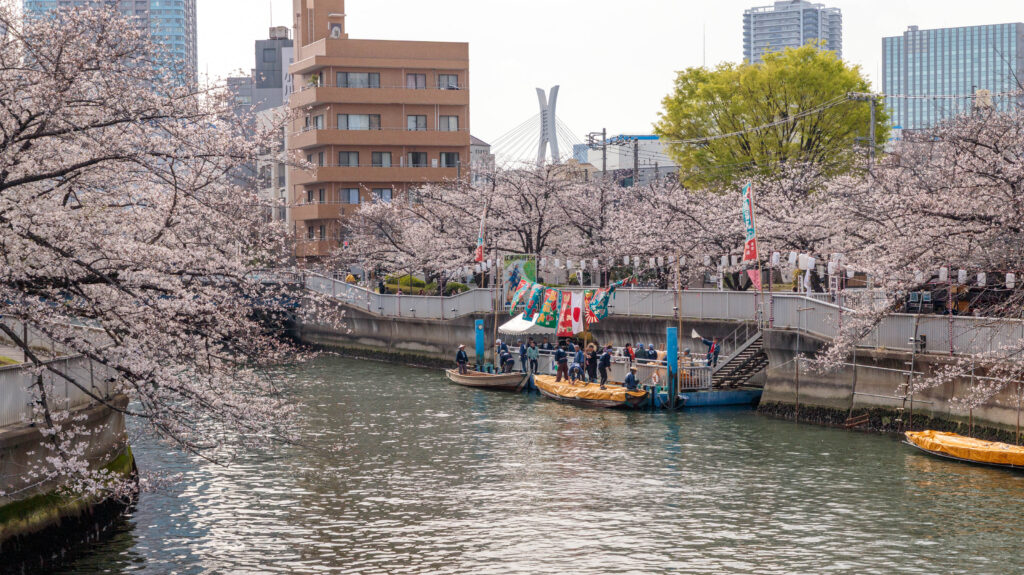
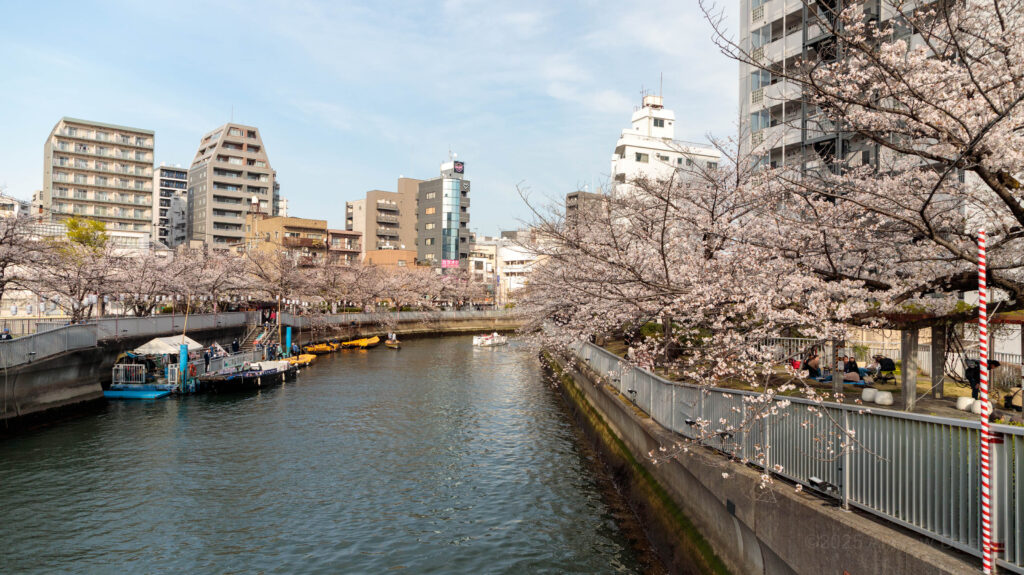
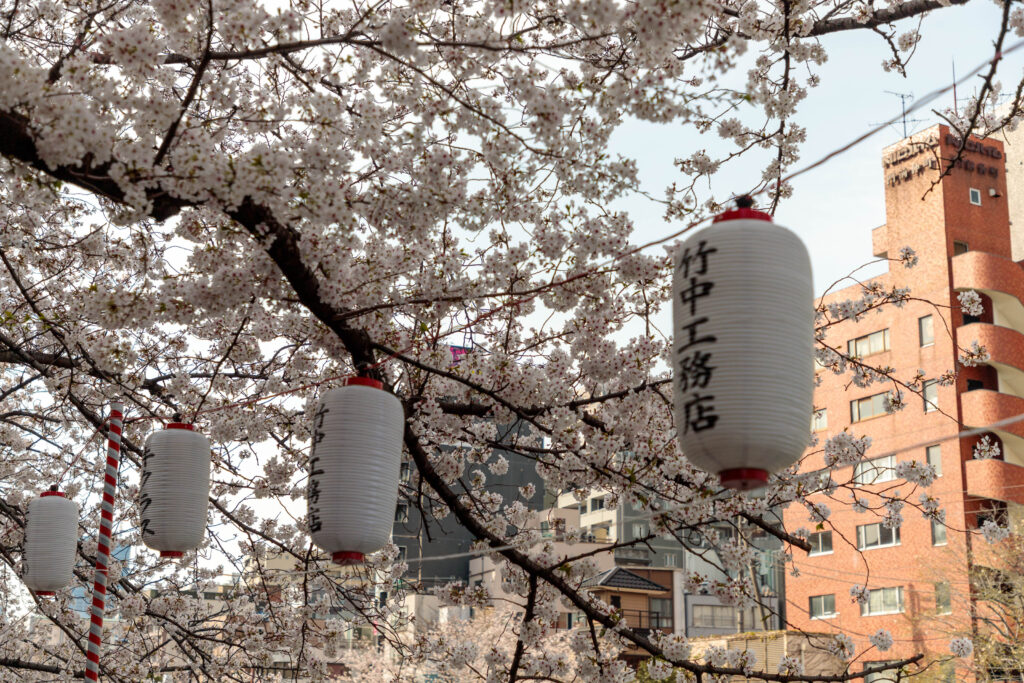
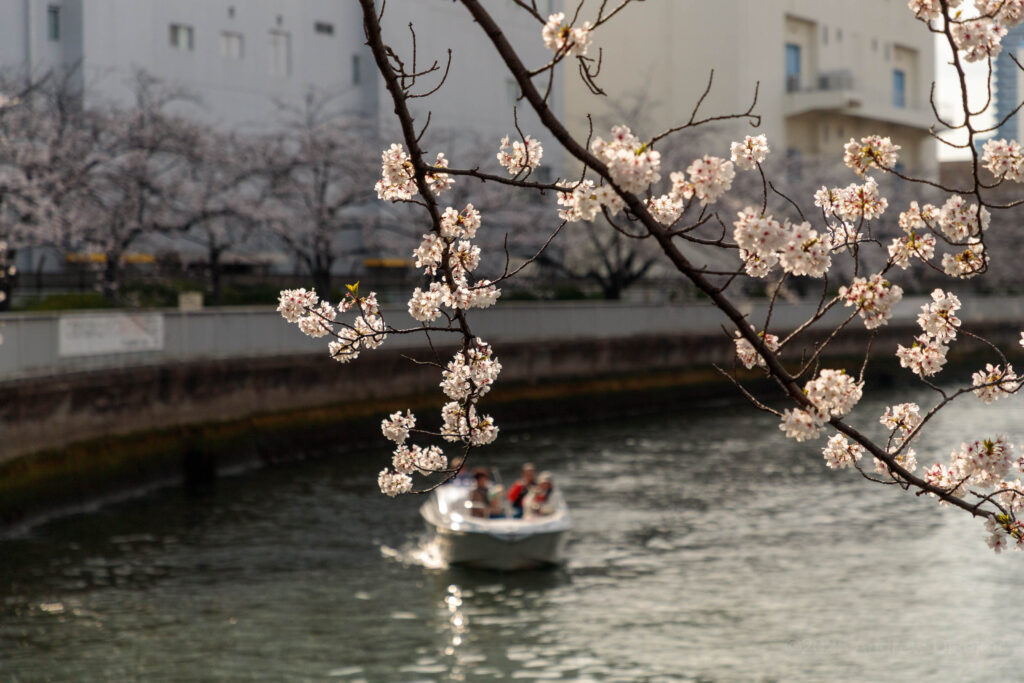
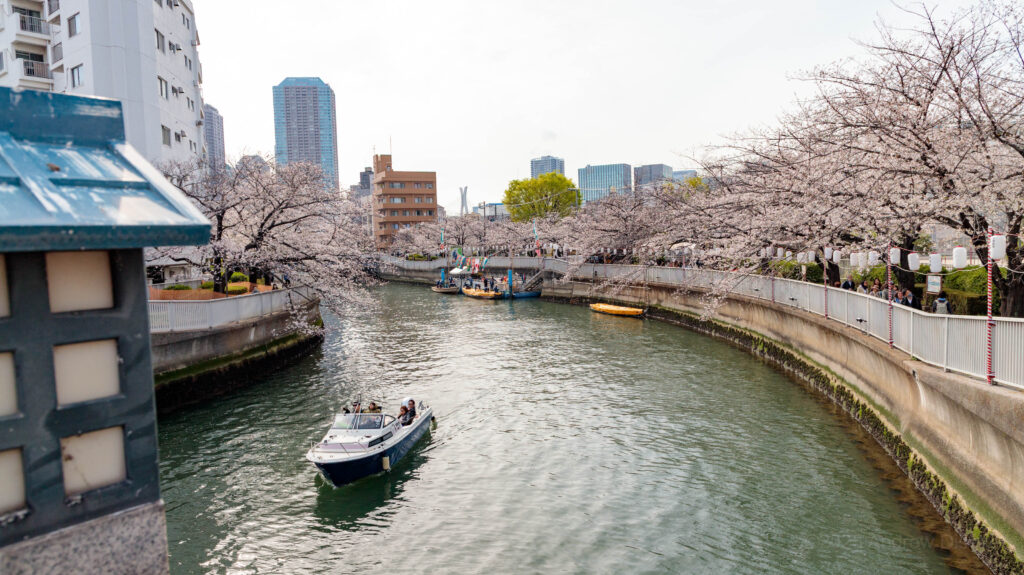
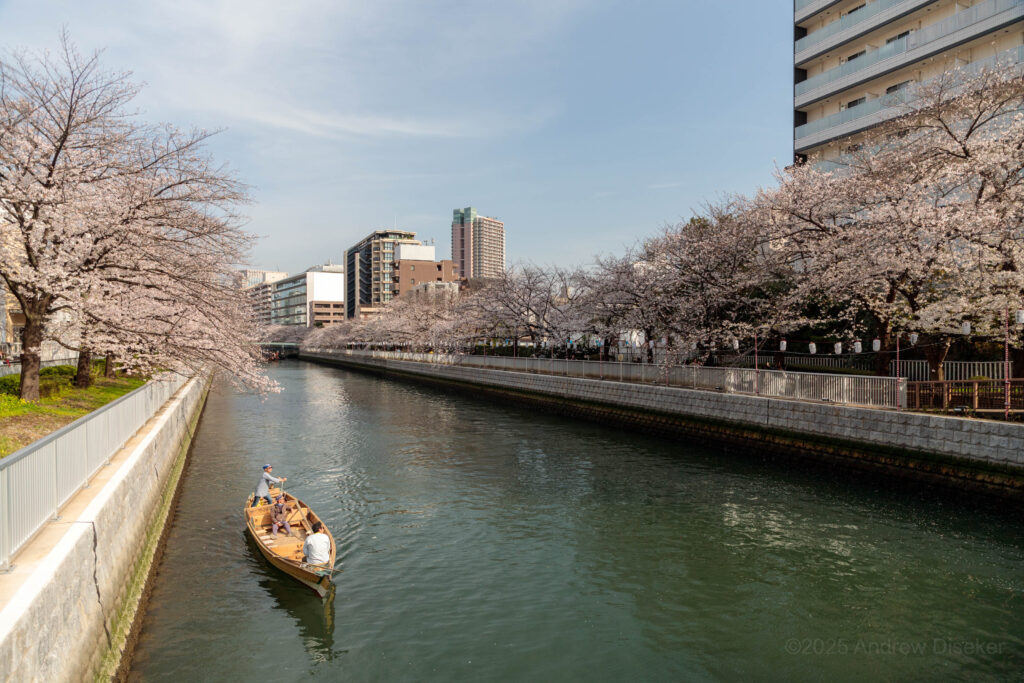
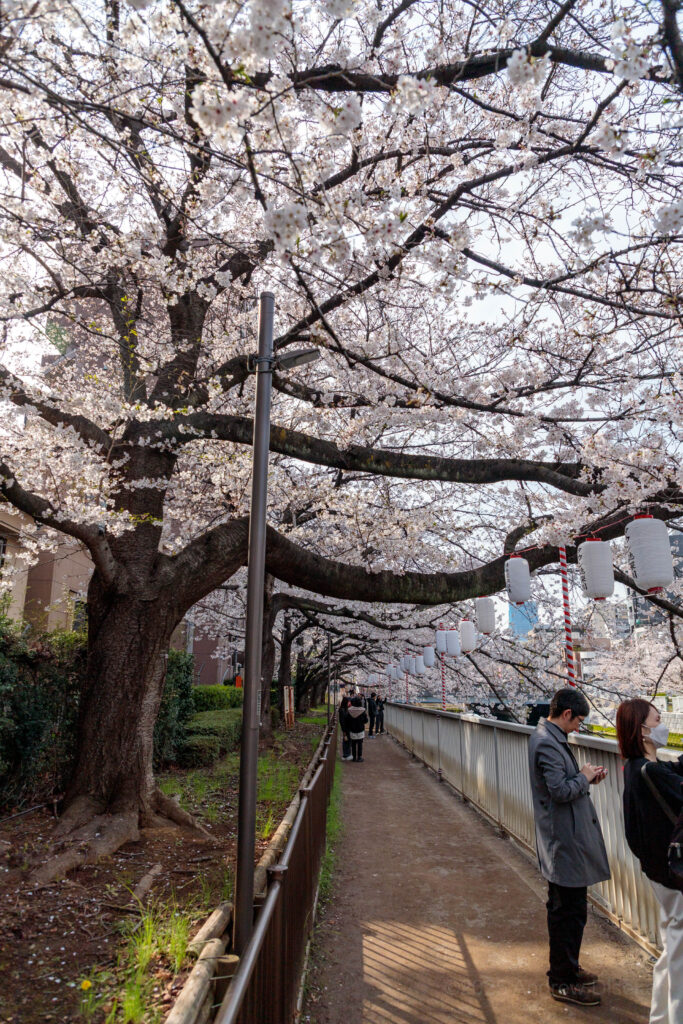
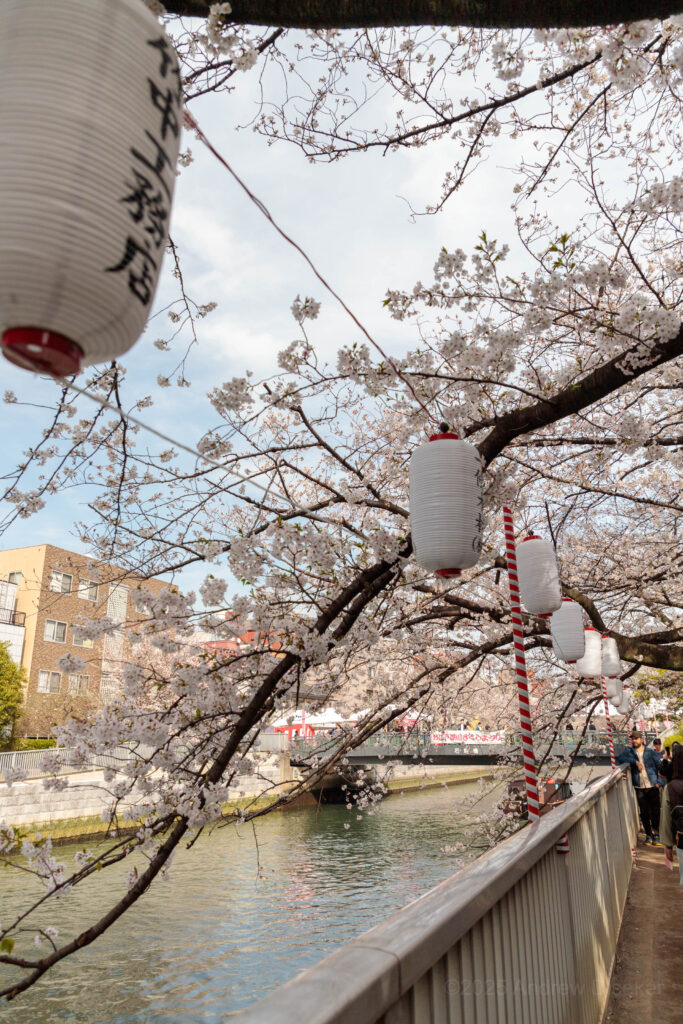
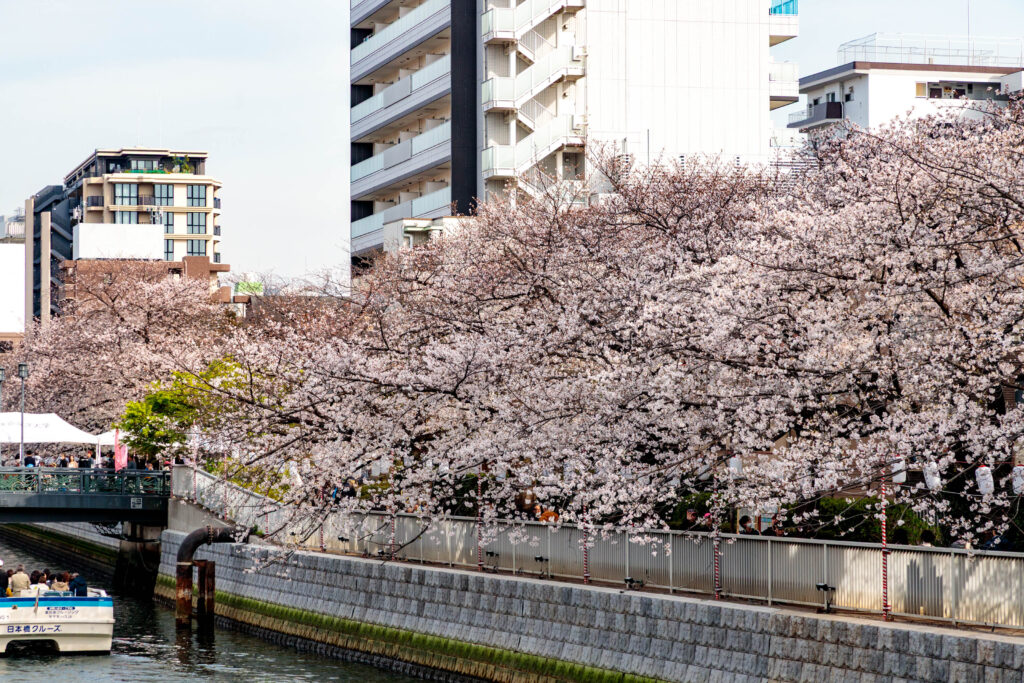
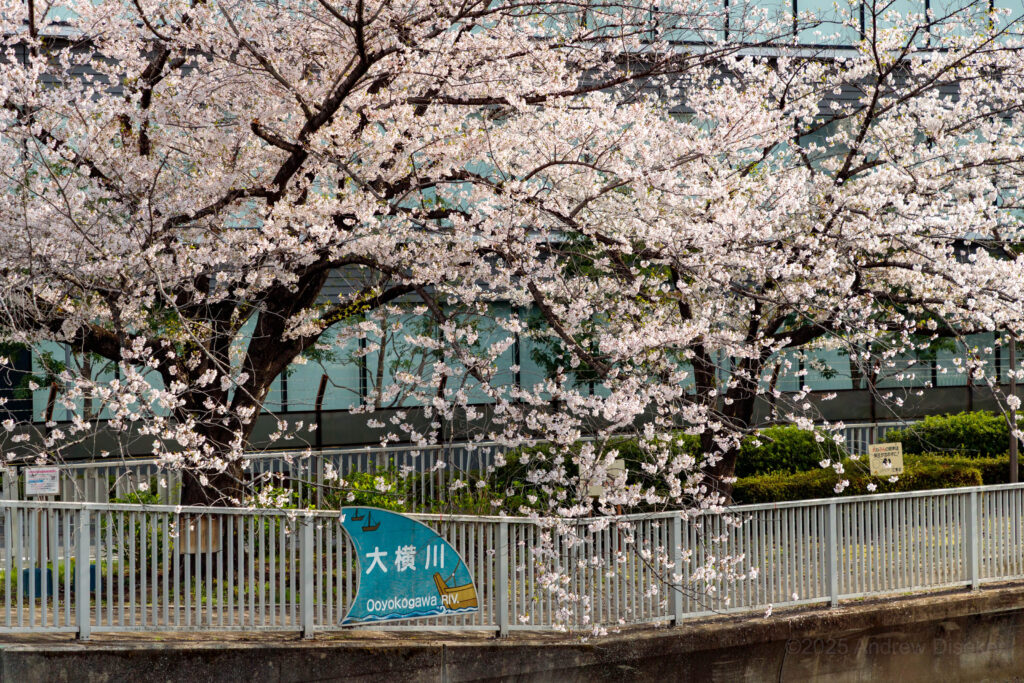
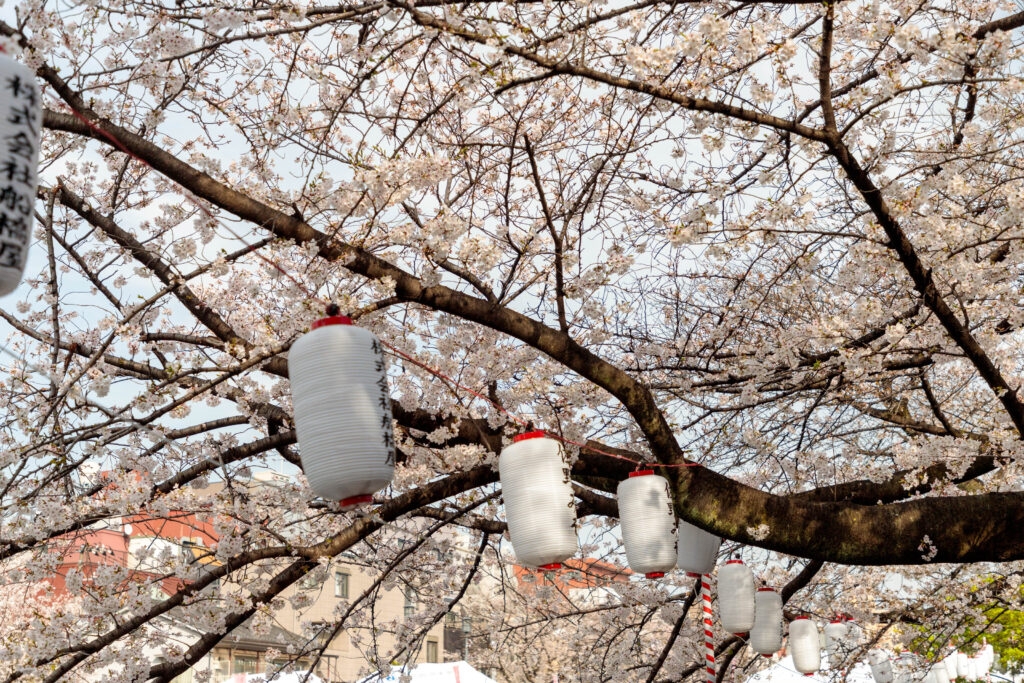
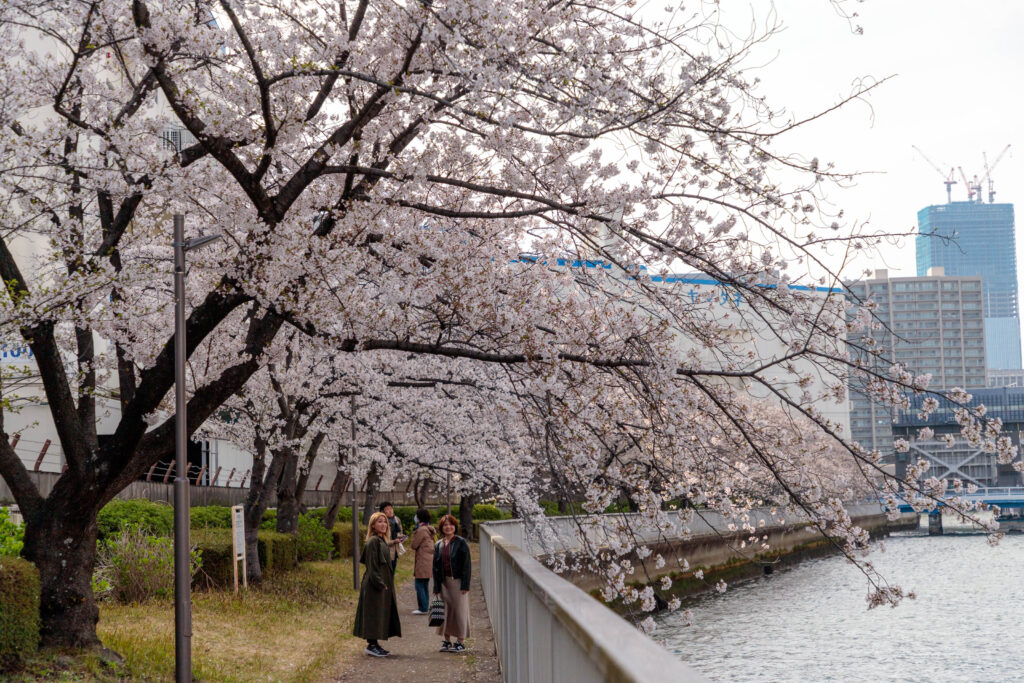
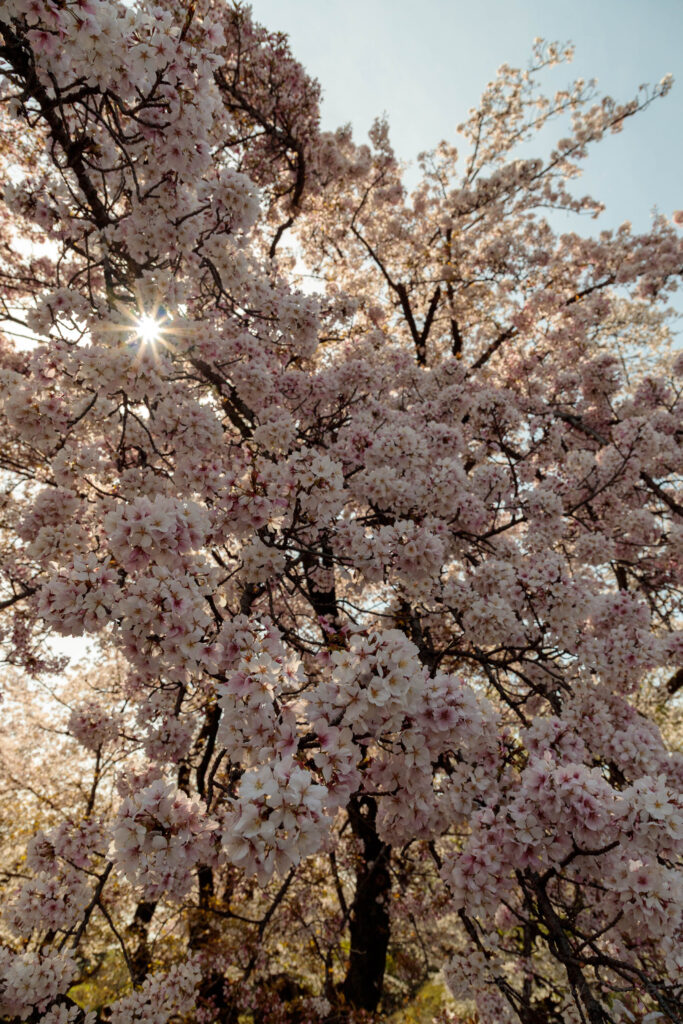
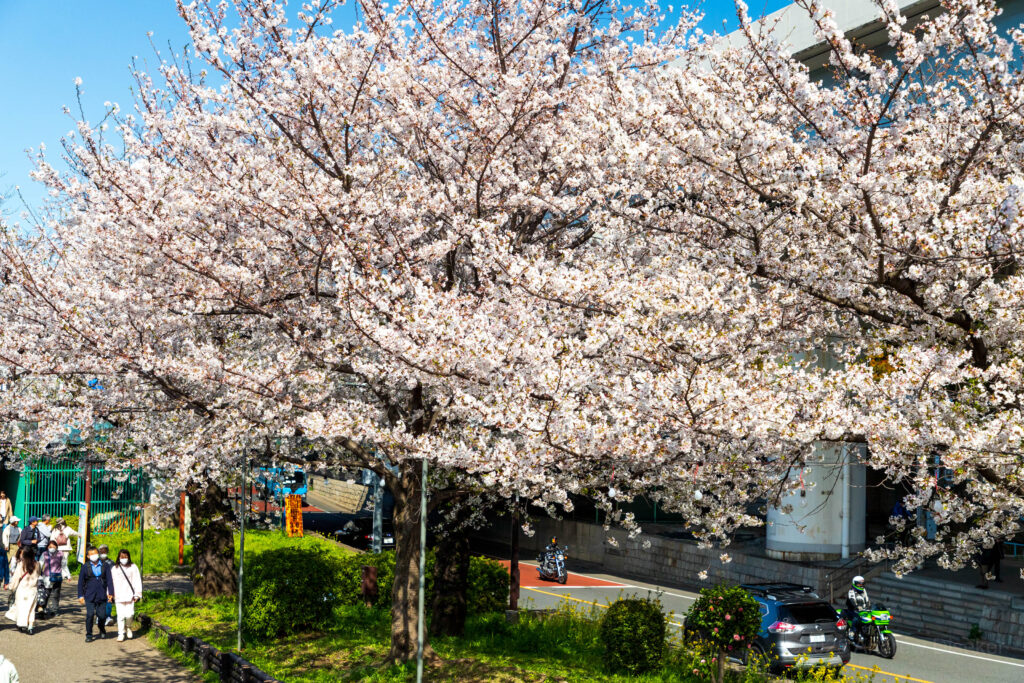
On my way I decided to stop by the canal downtown, where I have previously gotten pictures at night, illuminated by the lanterns, but I figured there might be something happening with the advertized festival. I wasn’t disappointed, although there wasn’t much going on, I did get to see a few neat things, including the blossoms at almost full bloom, in the daytime!
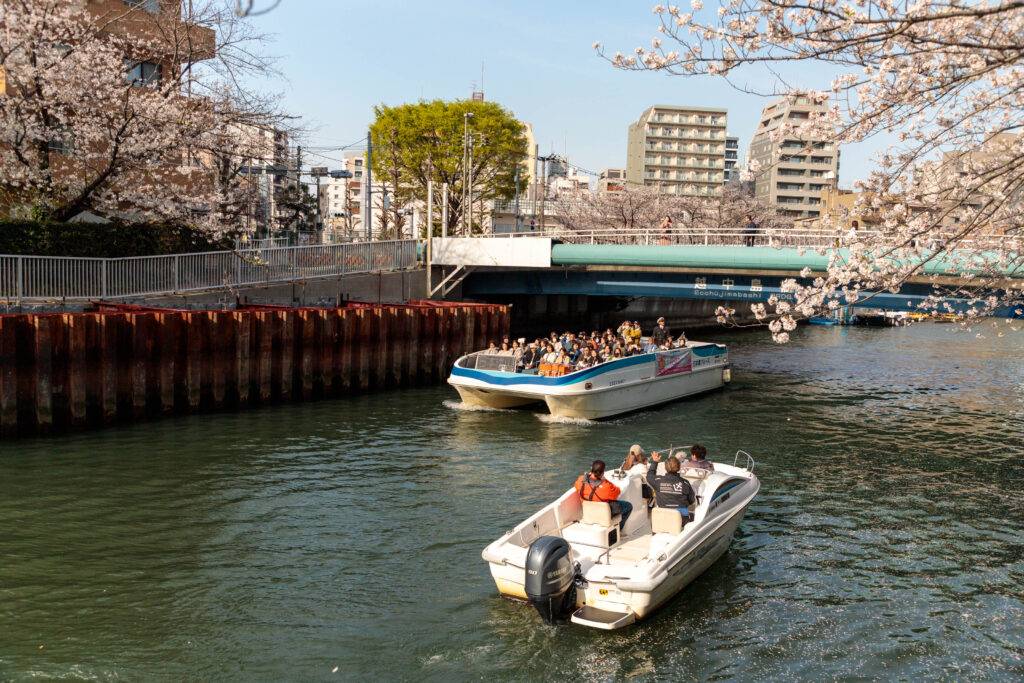
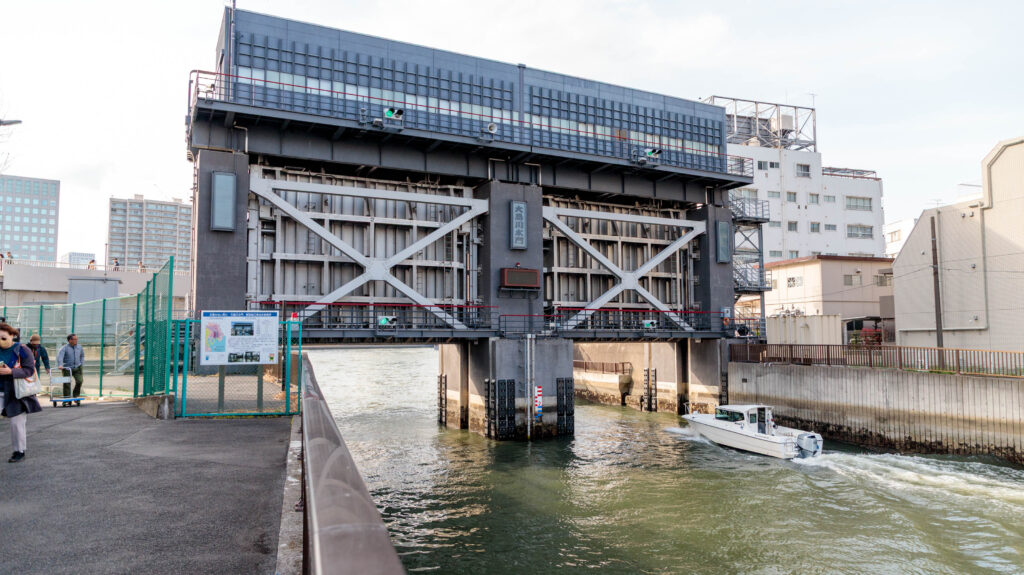
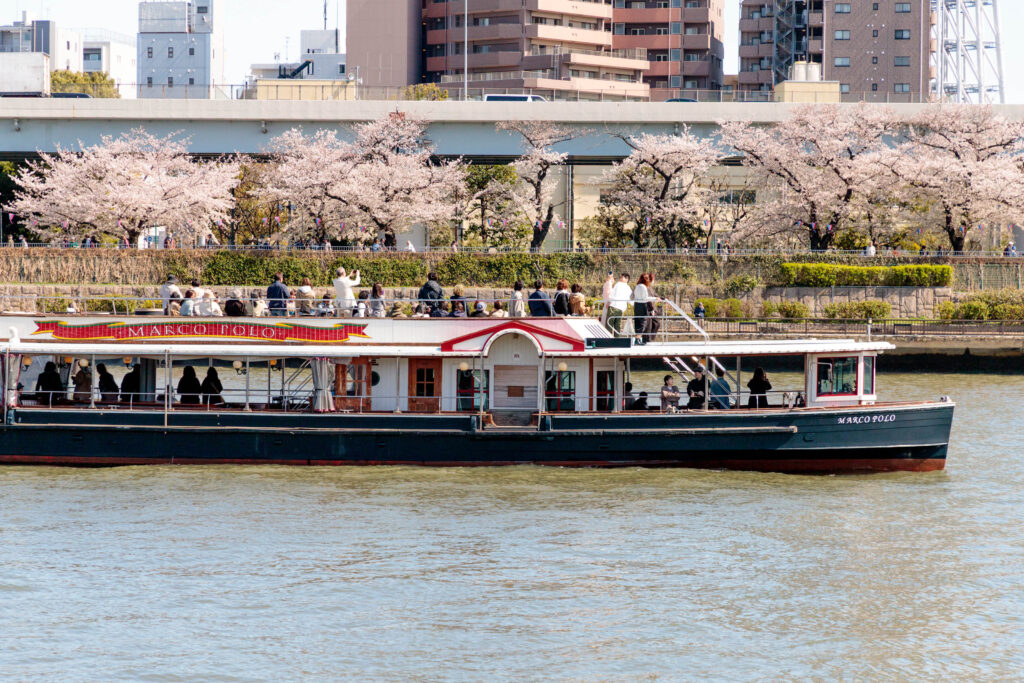
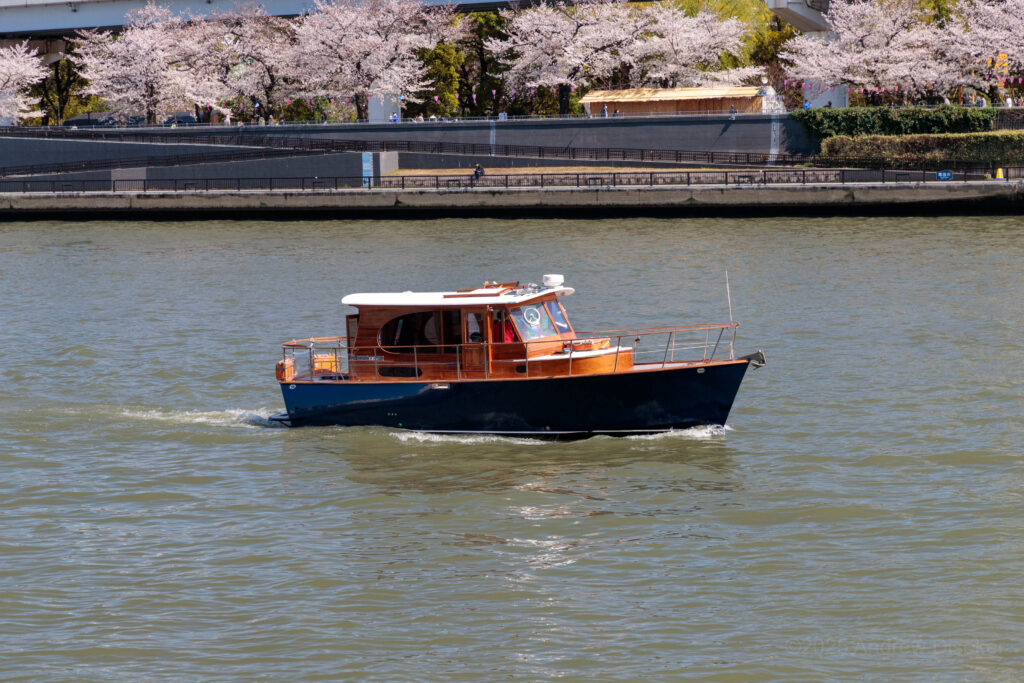
Even though there wasn’t much at the street level, there were lots of people walking on the paths along the river, and plenty of tourist boats cruising up and down. Some of them were heading out into the Sumida River through the flood gates to join other sightseeing boats, to continue cruising up towards the blossoms in the Sumida Park.
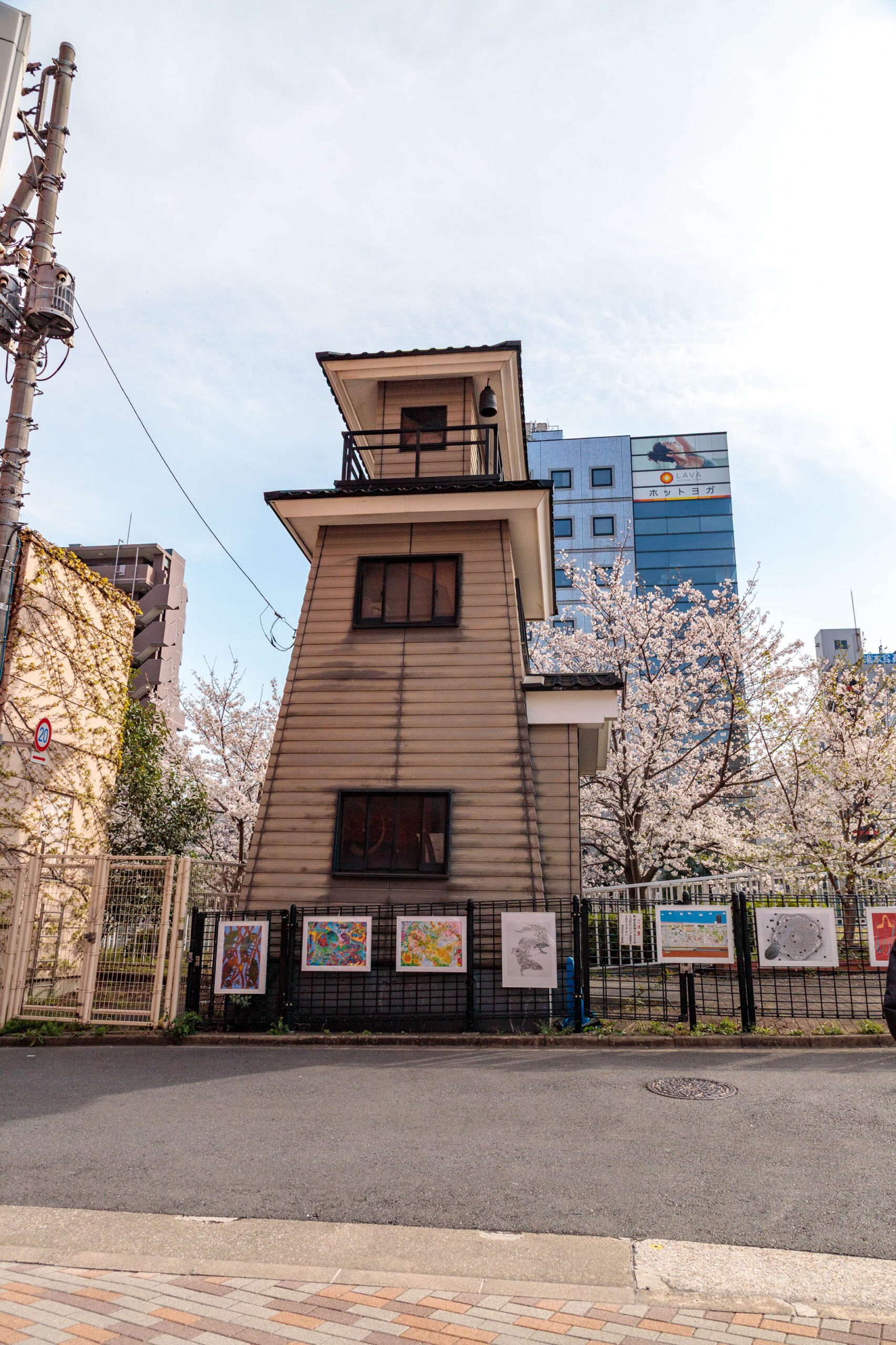
Monzennakacho area of the Koto City portion of Tokyo has a long history of supporting the shipping of goods from Tokyo Bay, which the Sumida flows into, and into Tokyo proper, and as a result, there are lots of canals and modified rivers in this area. There is also a long history of reclaiming land from the Bay, going back to the Shogunate days, when Tokyo was called “Edo”. There are still things in Monzennakacho that remain from those days, or are reflected in modern things styled like the old things. One thing that was a huge problem in the early days was fire, since almost all buildings were made from wood, bamboo, and paper. Fire control was a big part of cities, and fire towers were built in fire station regions, to watch for unexpected smoke rising above roofs, or flames spreading. There were symbols for each fire control region, and even now those symbols are fixed to the tops of streetlights, so people can recognize what fire station’s region they’re in. These all survived the firebombing of Tokyo, or were rebuilt afterwards.
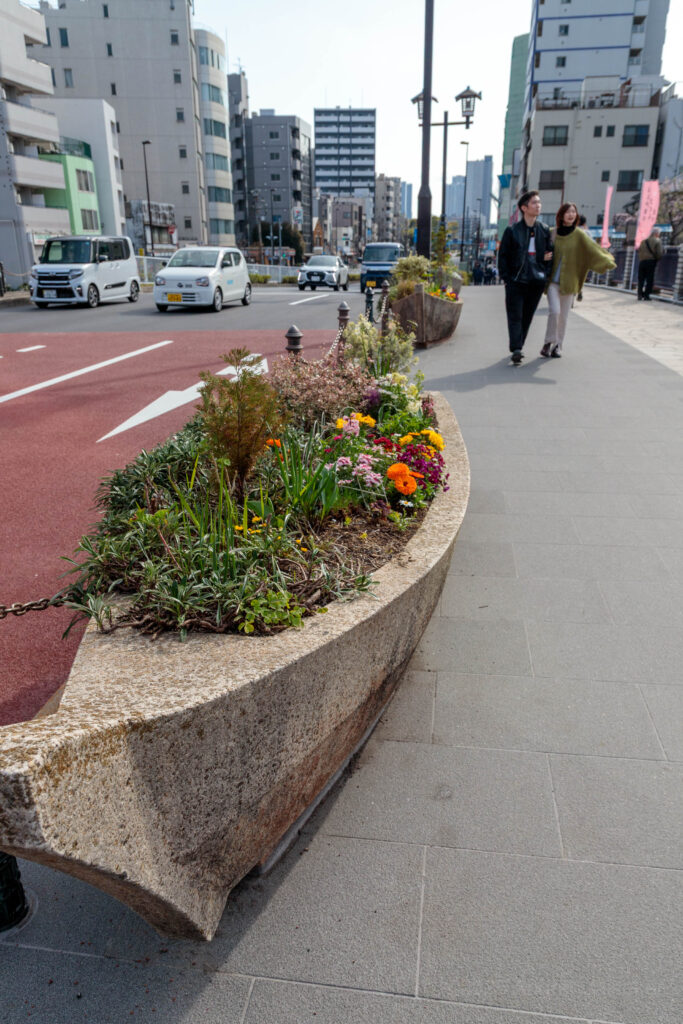
Since boats were so important to Monzennakacho, the town maintains things to remind people of that, some of the tourist boats still follow the same design as the boats used to transport goods and people through town, propelled by one man on a rudder, and on this bridge, they made concrete flower planters in the same shape!
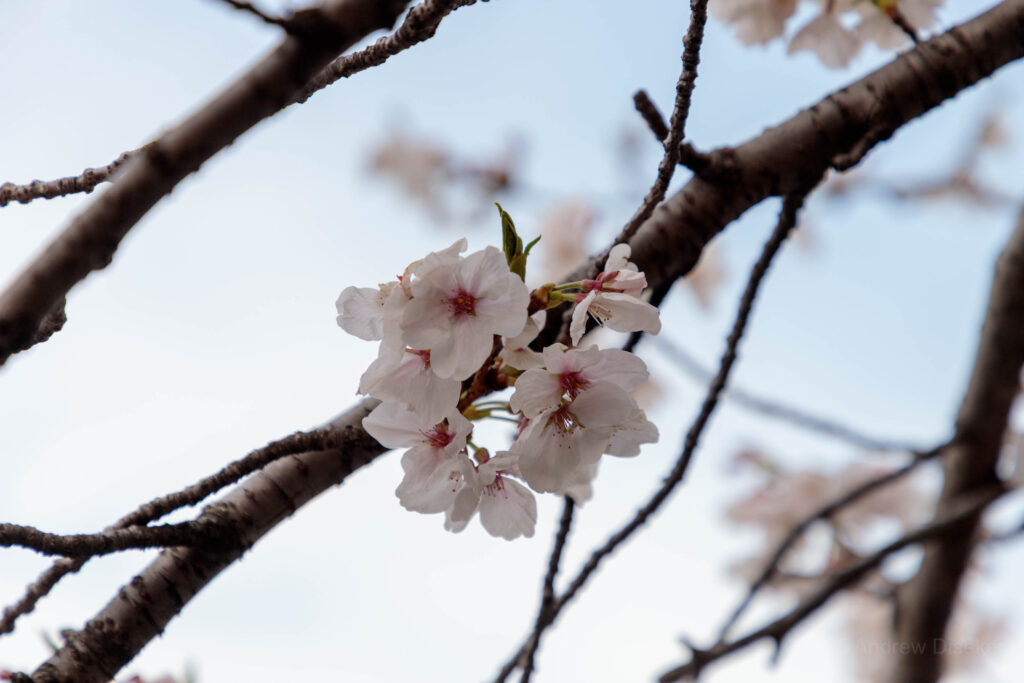
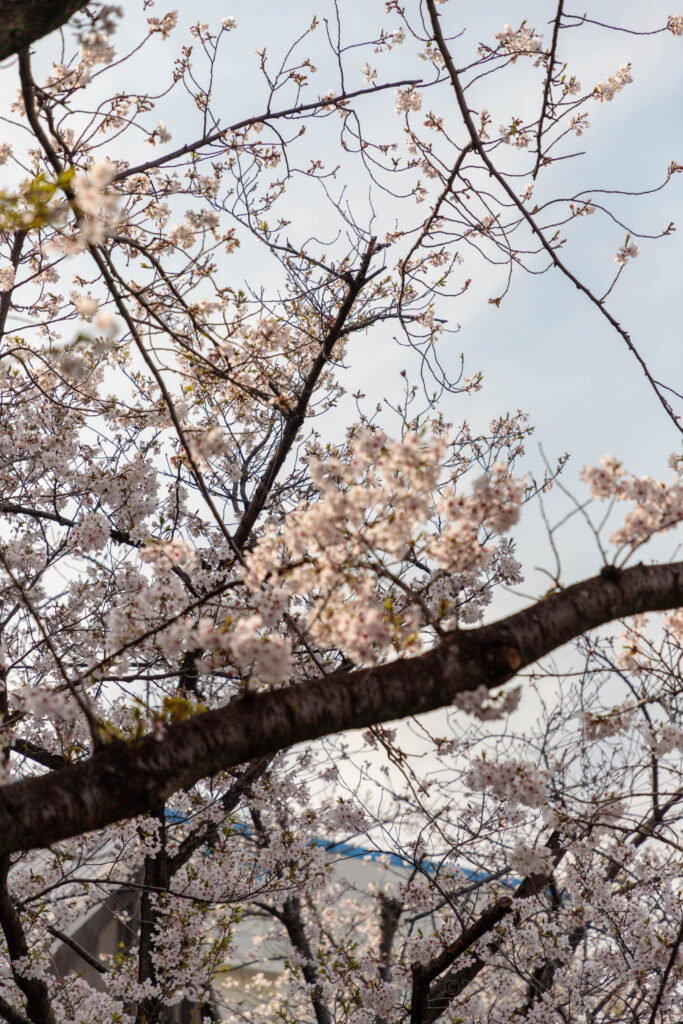
I guess these little touches of history, along with the ease of getting around in the area, makes Monzennakacho the place I always liked to stay when I came to Japan! Oh, and here are a few more blossoms!
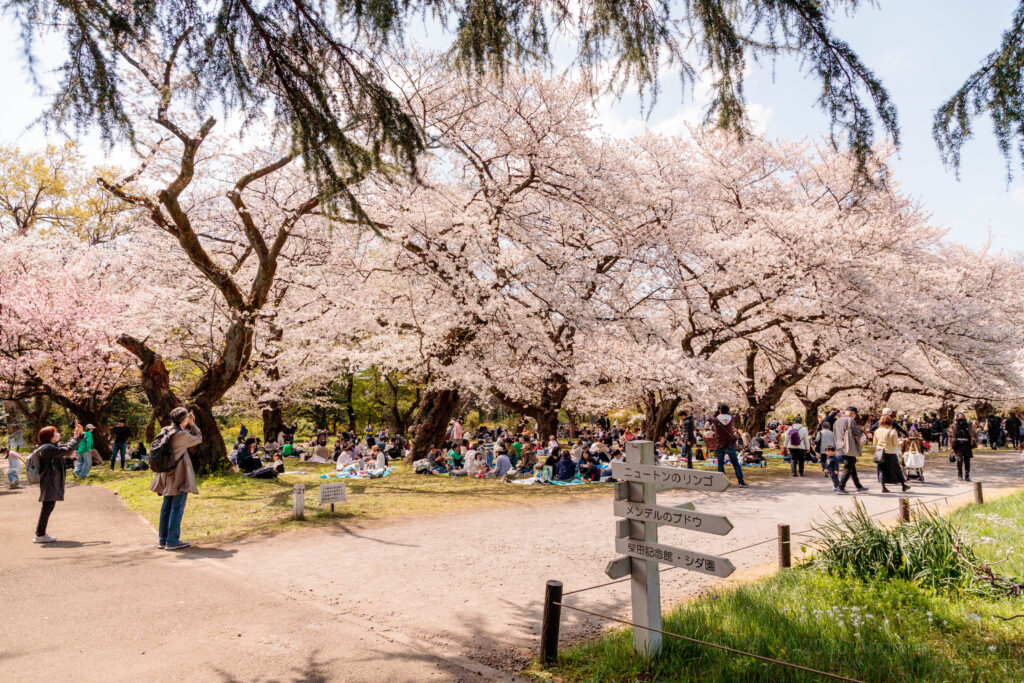
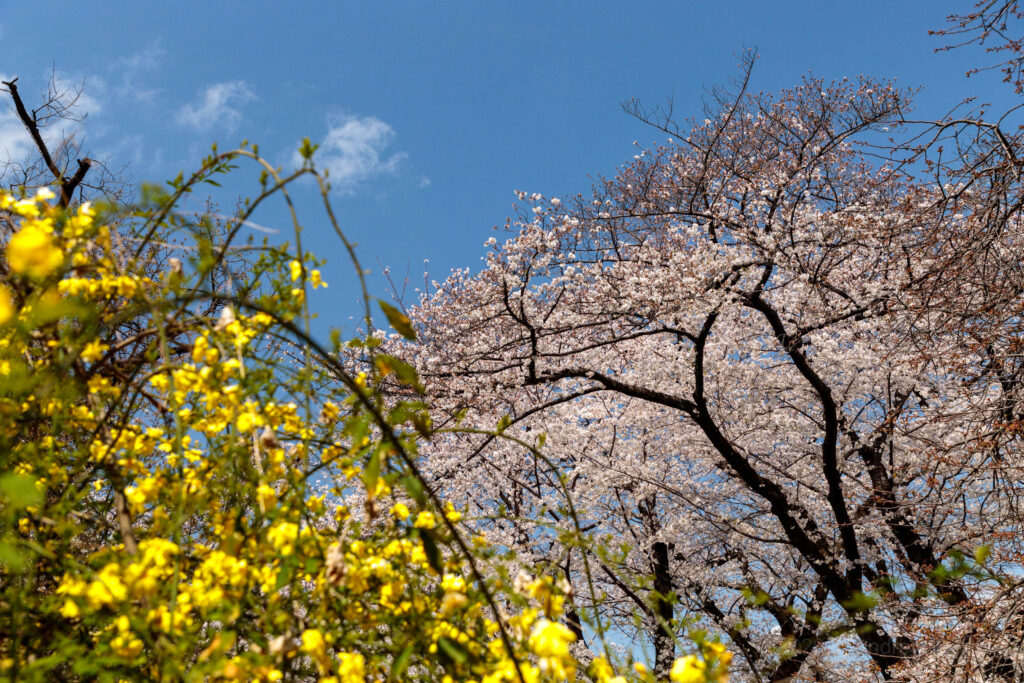
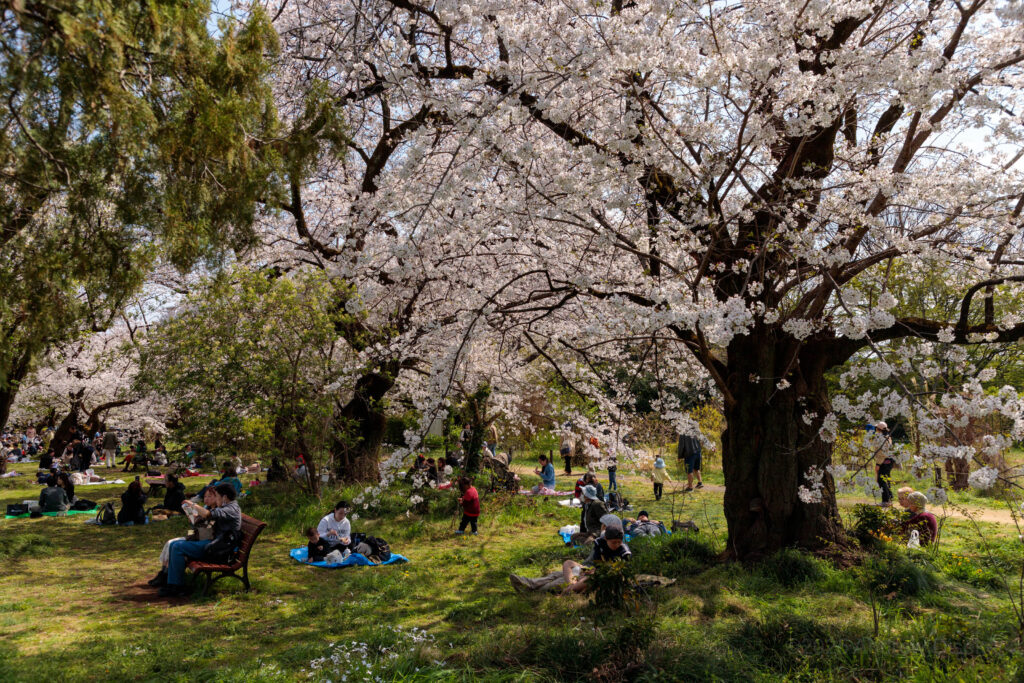
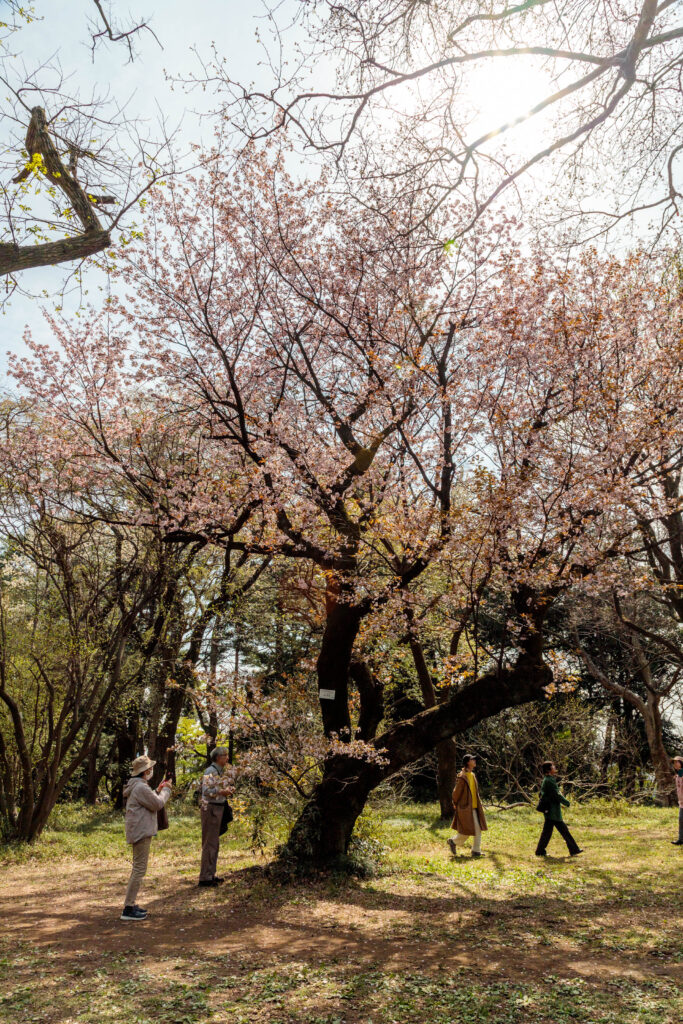
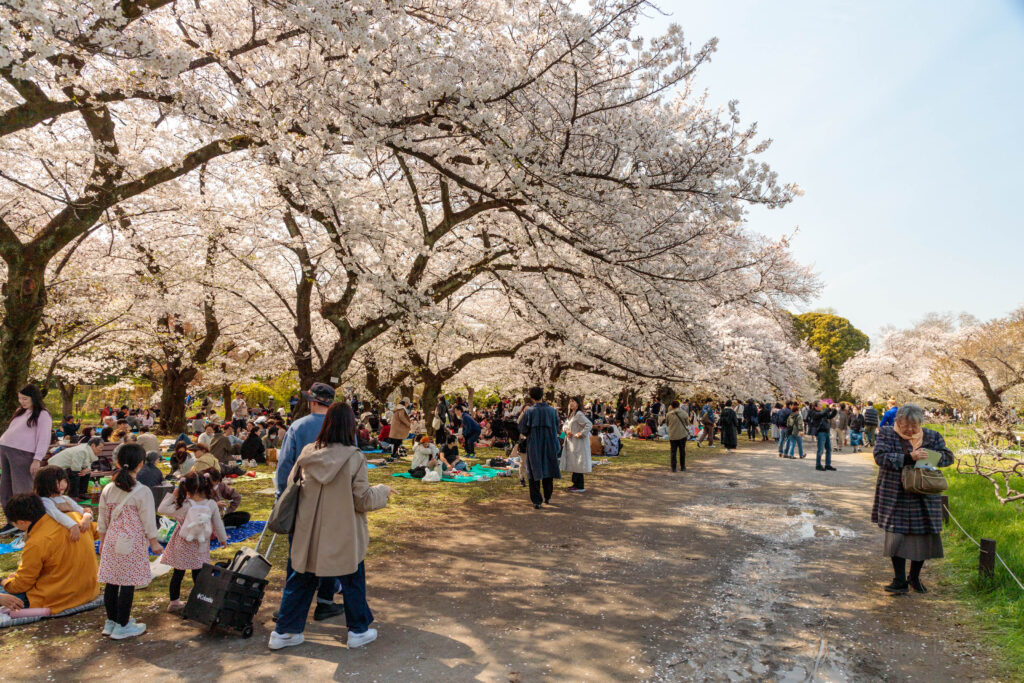
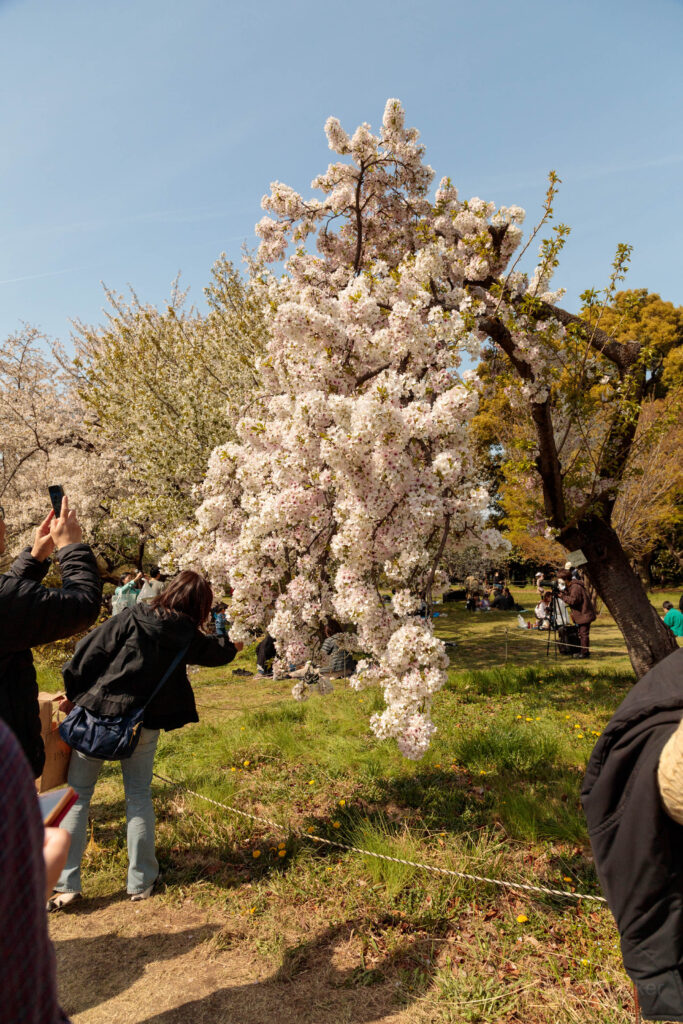
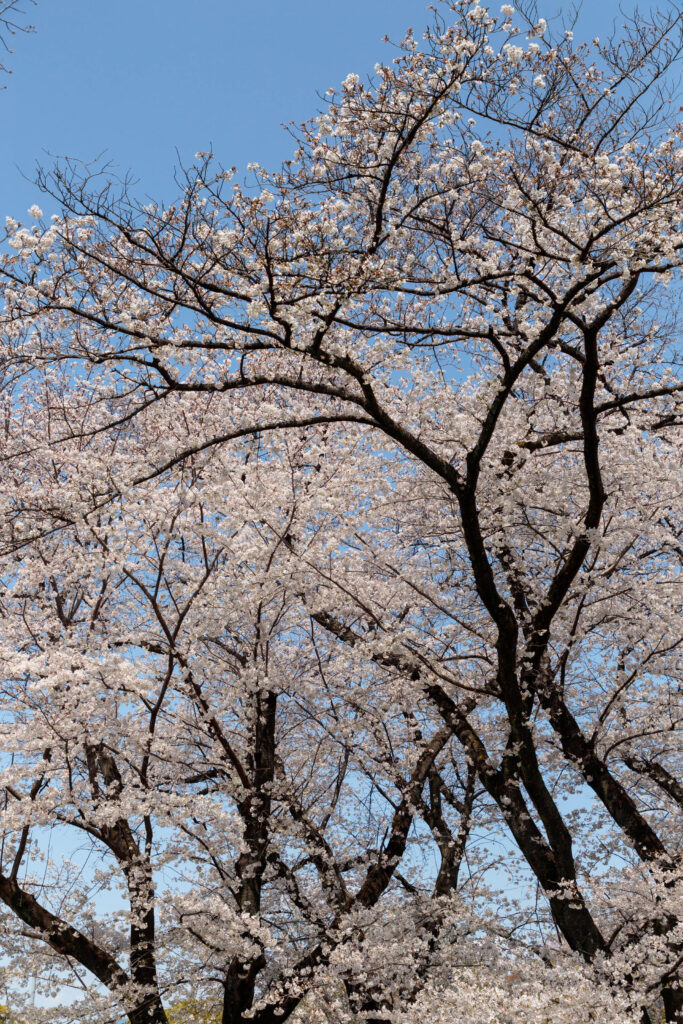
Well, April 5 turned out to be even nicer than the 4th, and during the evening of the 4th, once I got back to my apartment I decided to look for some other site to scout for cherry blossoms. I got lucky and browsed around, until I saw an article on the Koishikawa Botanical Garden, which was recommended as a very nice place to see cherry blossoms, as well as lots of other springtime flowers, away from most of the foreign tourists.
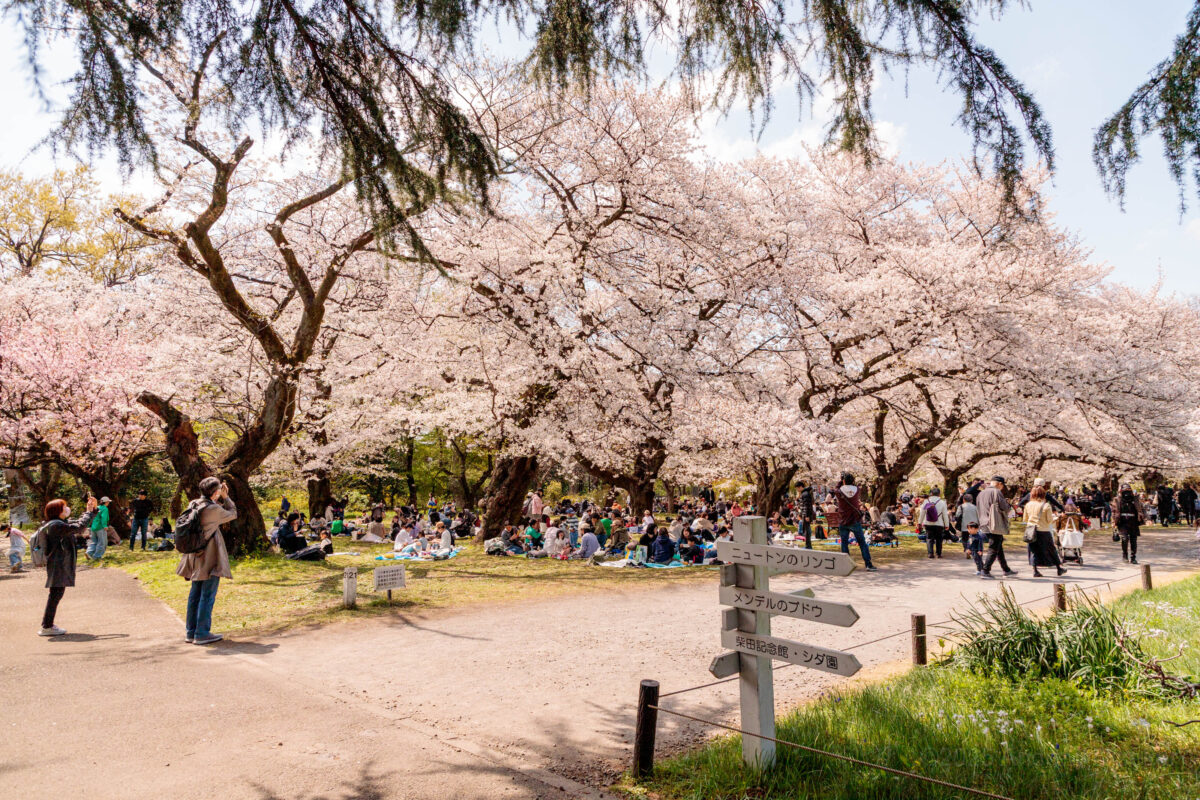
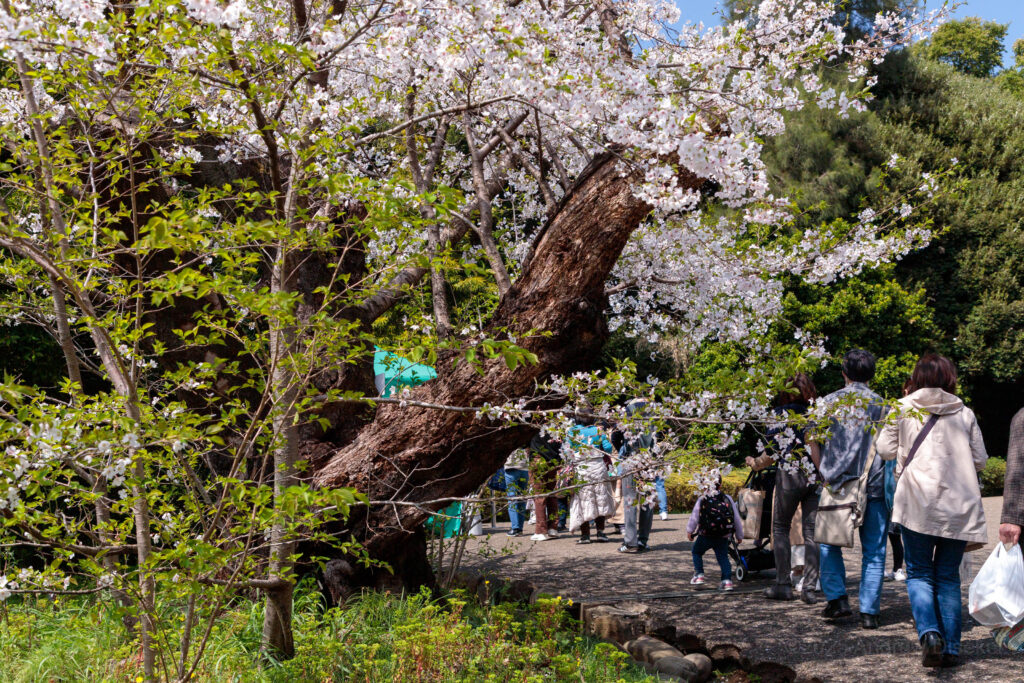
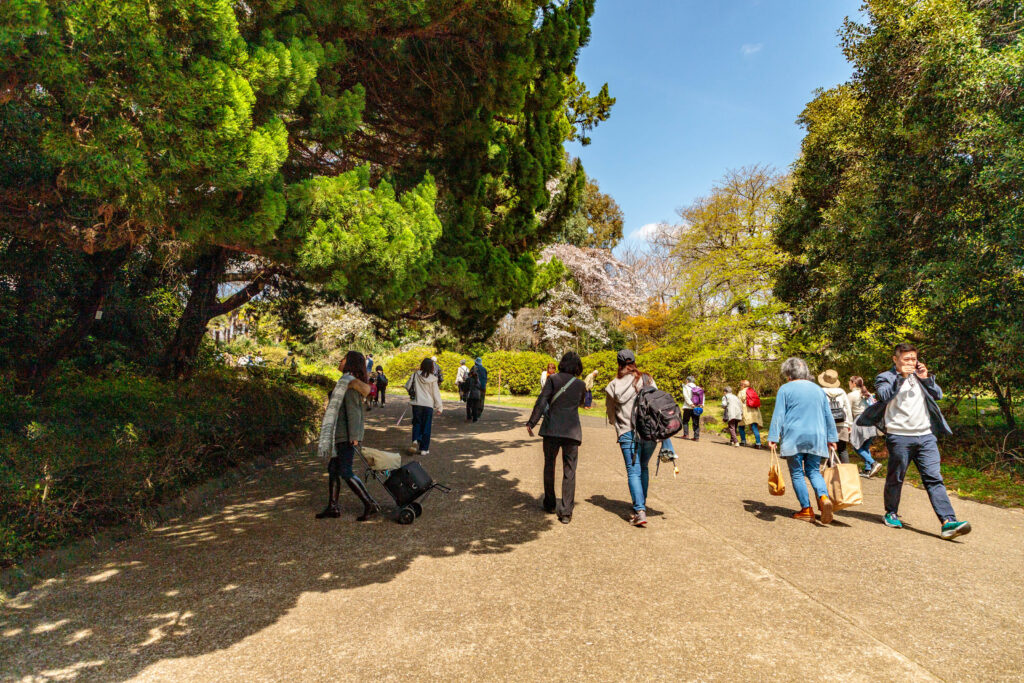
That’s not to say it was empty, there were lots of locals, families enjoying picnics and kids playing and all enjoying the beautiful weather.
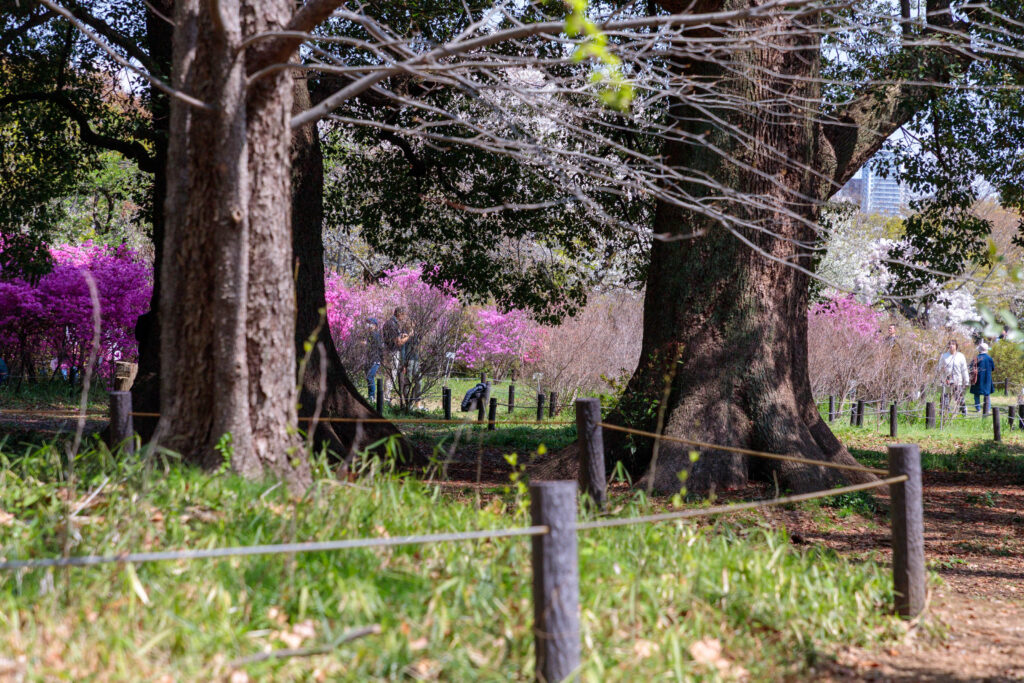
The grounds of the park are huge, and there are lots of places with steep climbs, lots of paths deep in the trees, and it was a bit tricky to climb in some places. But, getting to see all the different types of flowers was worth the cost in energy!
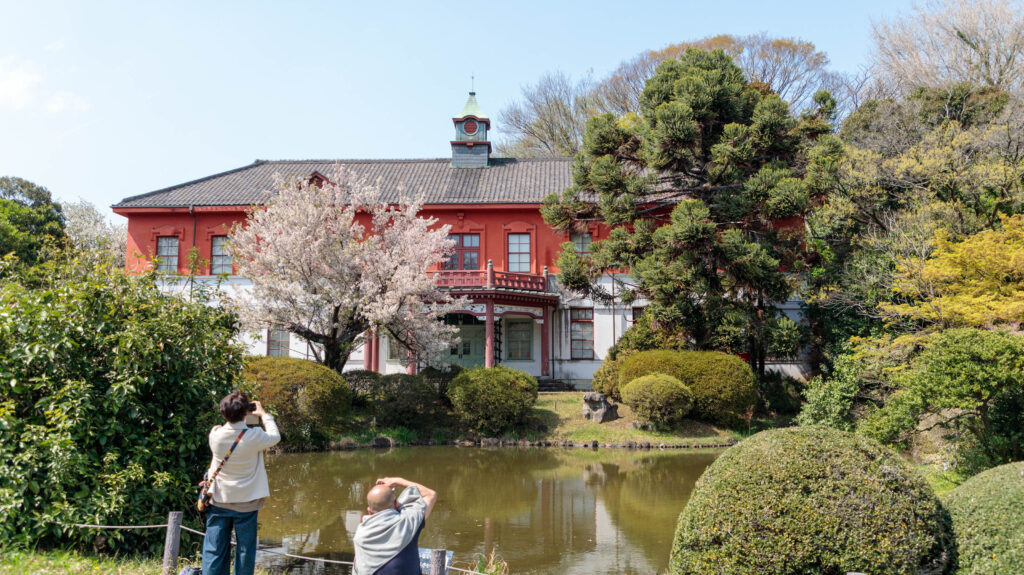
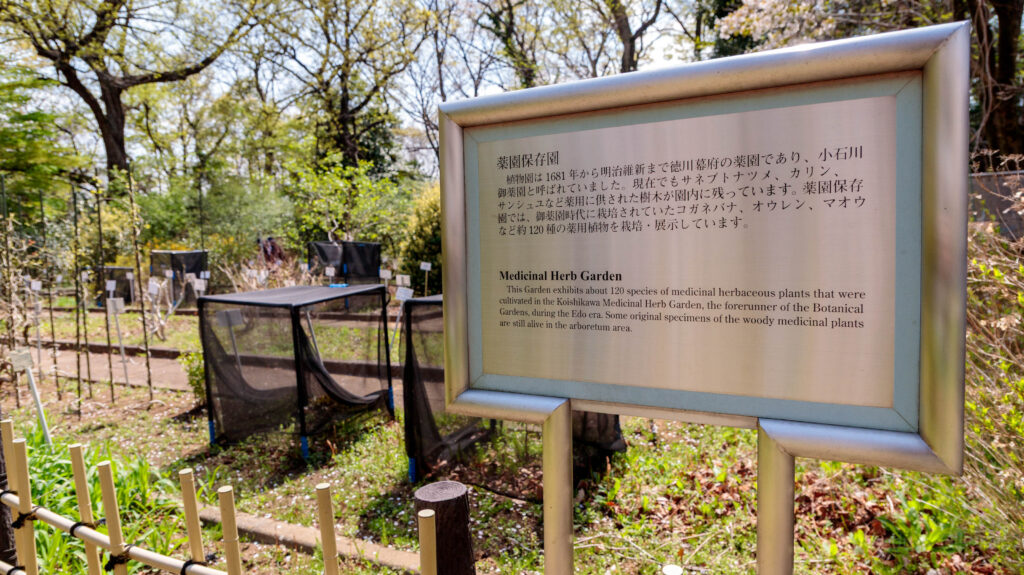
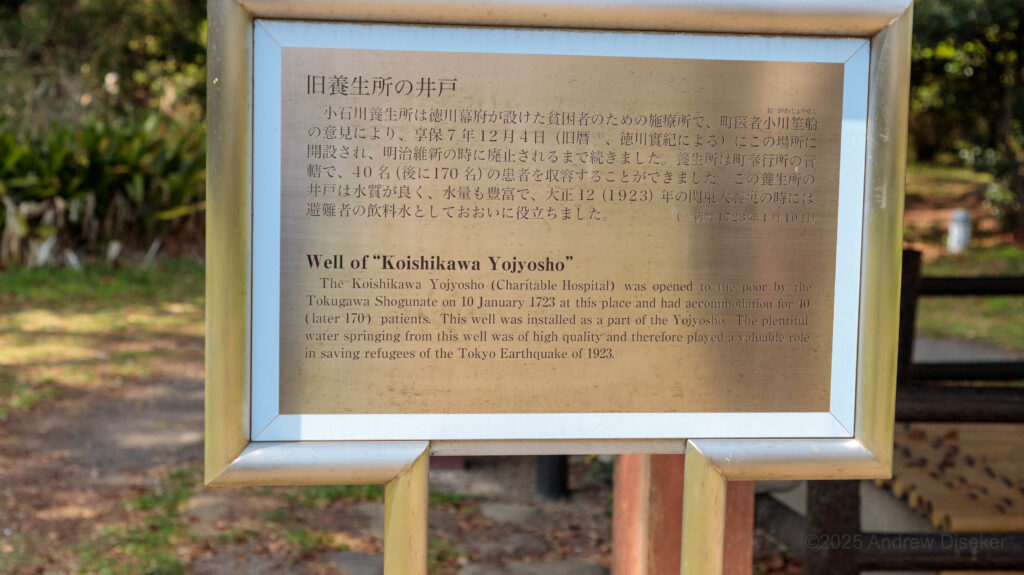
There are historical aspects to the park, as well, as it was one of the first established medical schools in Japan. In honor of the original purpose there is a section where they still grow all the medicinal herbs that were used during the Shogunate, and parts of the original hospital are still there.
So, it was enjoyable, walking around and seeing all the beatiful trees and flowers, but I dreaded the return to the station, because even though it was a long hill to walk down to the park, walking back up after all the walking I did in the park with its own hills, was, well, not so much fun! I made it though, and on my way back to the apartment I stopped to see if the local Monzennakacho festival was going on, and it was! But that’s for another post, meanwhile, more blossoms!
Well, Friday the 4th finally cleared up, weather-wise, and I got to go where I failed to get to on Thursday, which is just as well, given how much nicer the wather was on Friday! I’m breaking this day’s report in two parts, because I got so many great shots of blossoms in Sumida Park and Shinjuku Park, that I don’t want to make a boringly large single post!
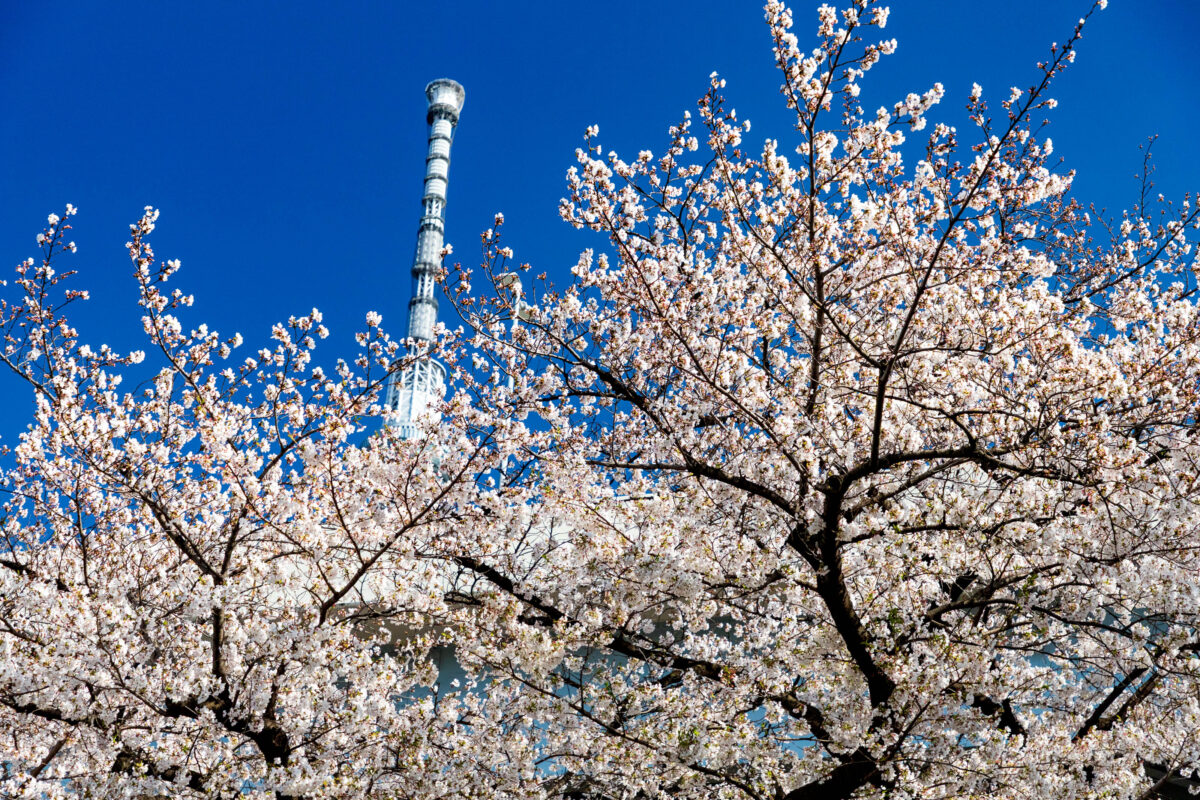
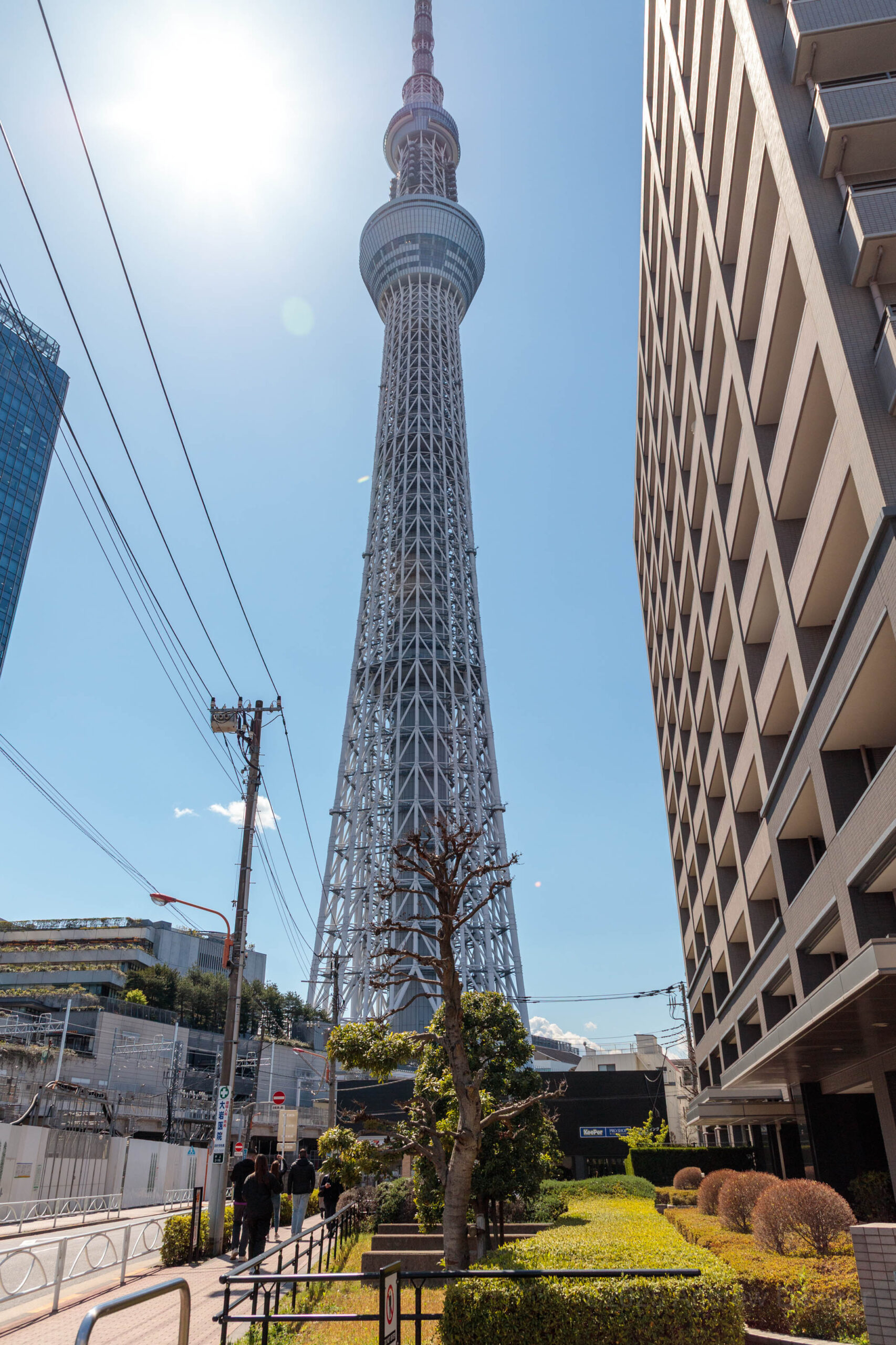
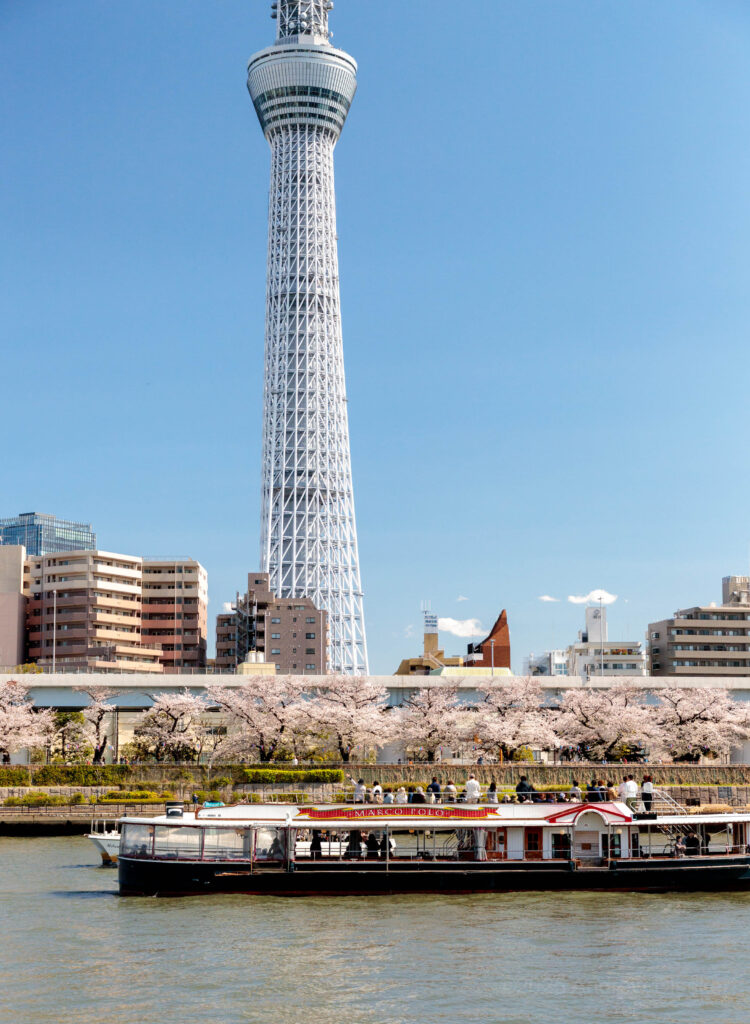
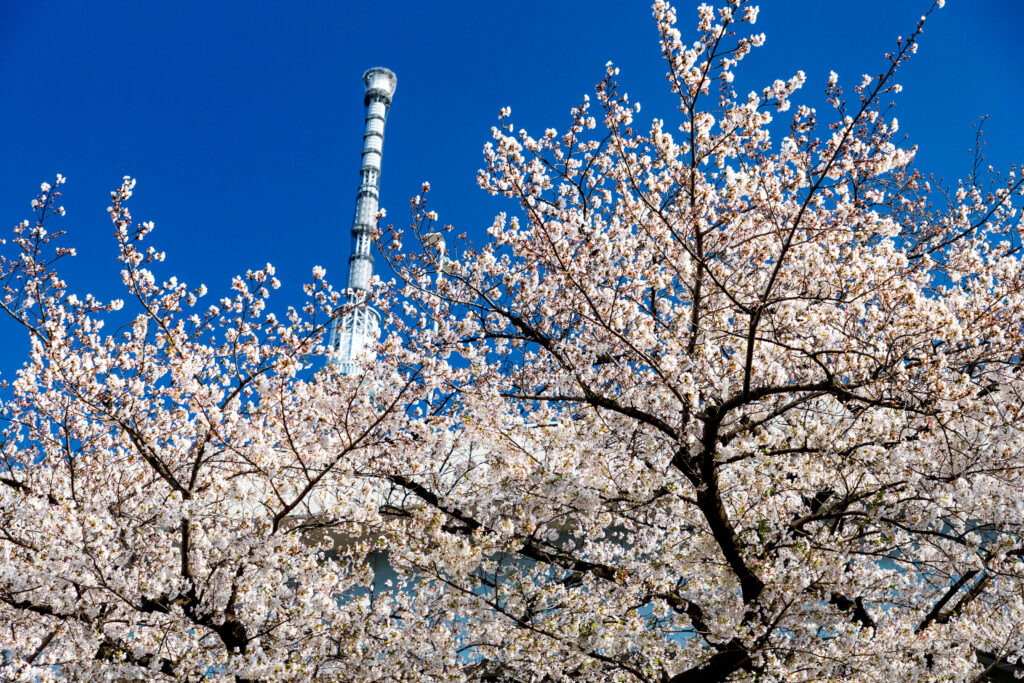
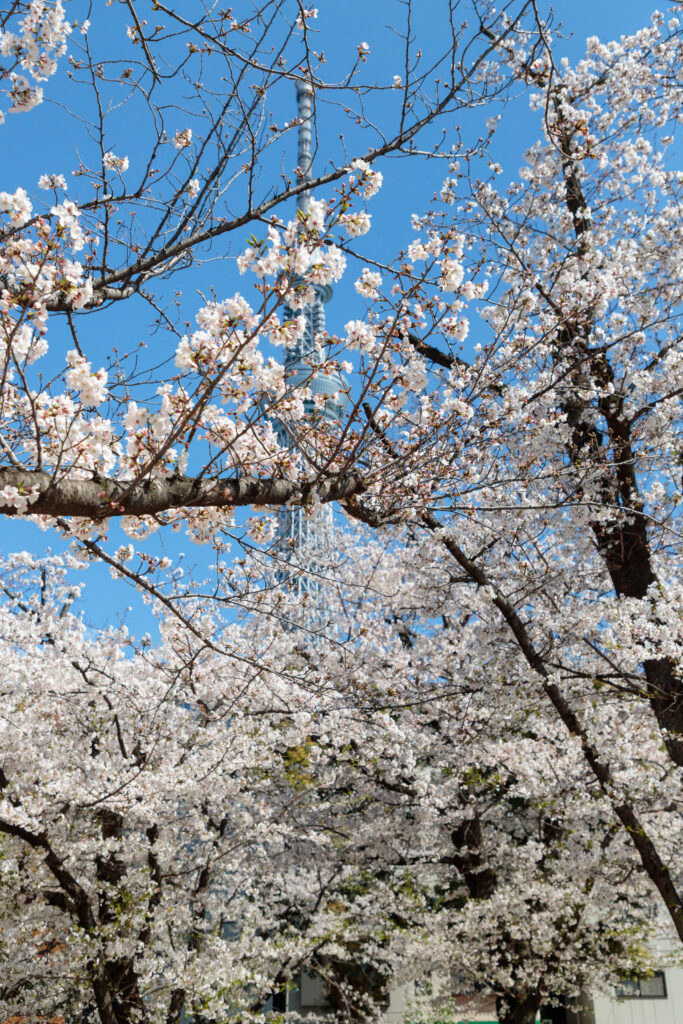
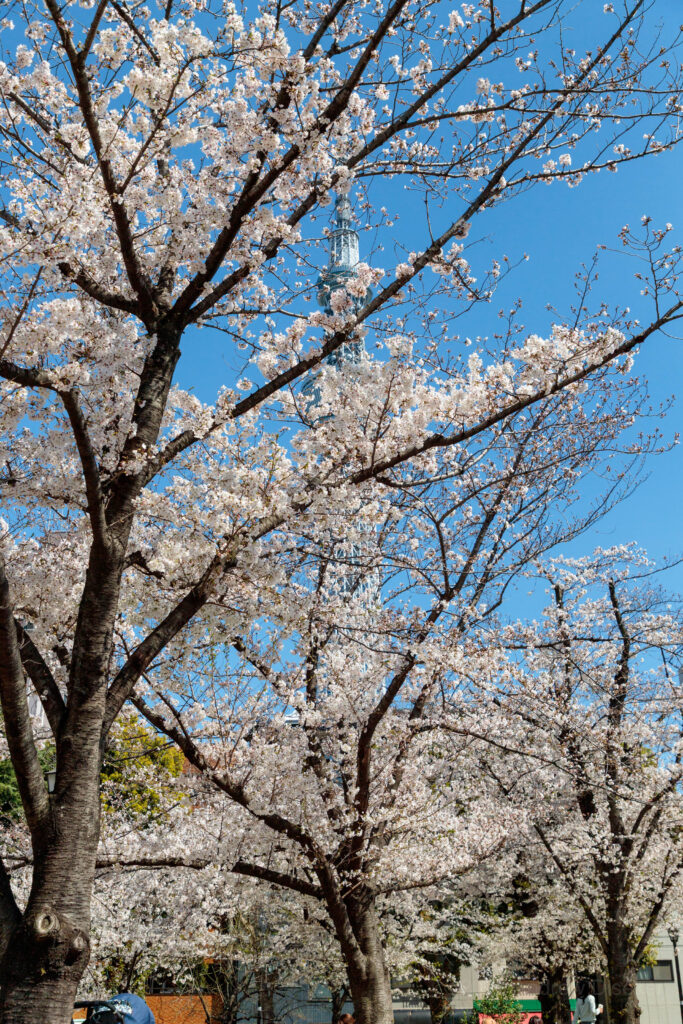
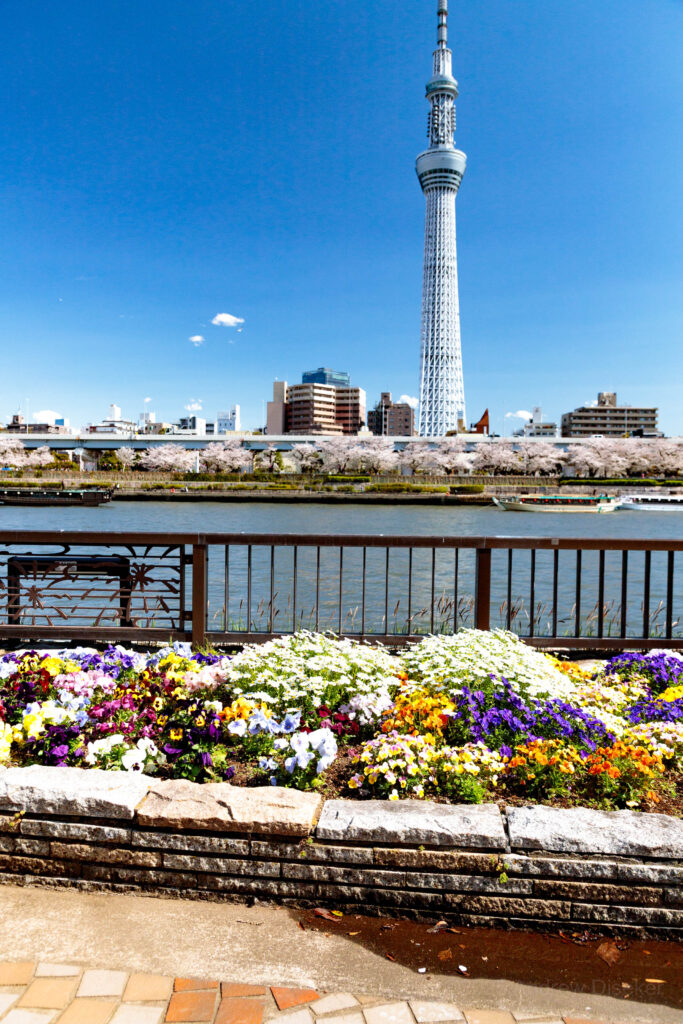
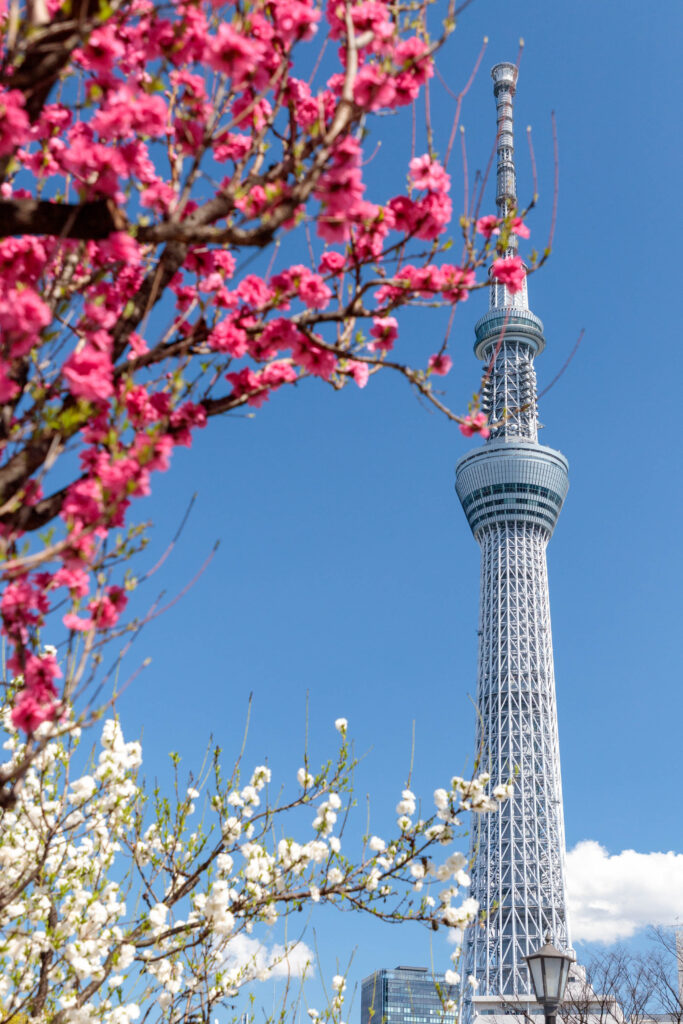
I’ll start with Sumida Park, at the beginning of the day. I made it up to Oshiage, which is a part of town at the foot of the Tokyo Sky Tree Tower, which is so huge that pictures can’t do it justice! It’s over 640 meters tall which works out to just over 2080 feet! I didn’t go up to the observation decks on this day, that will be for another day, today was for cherry blossoms!
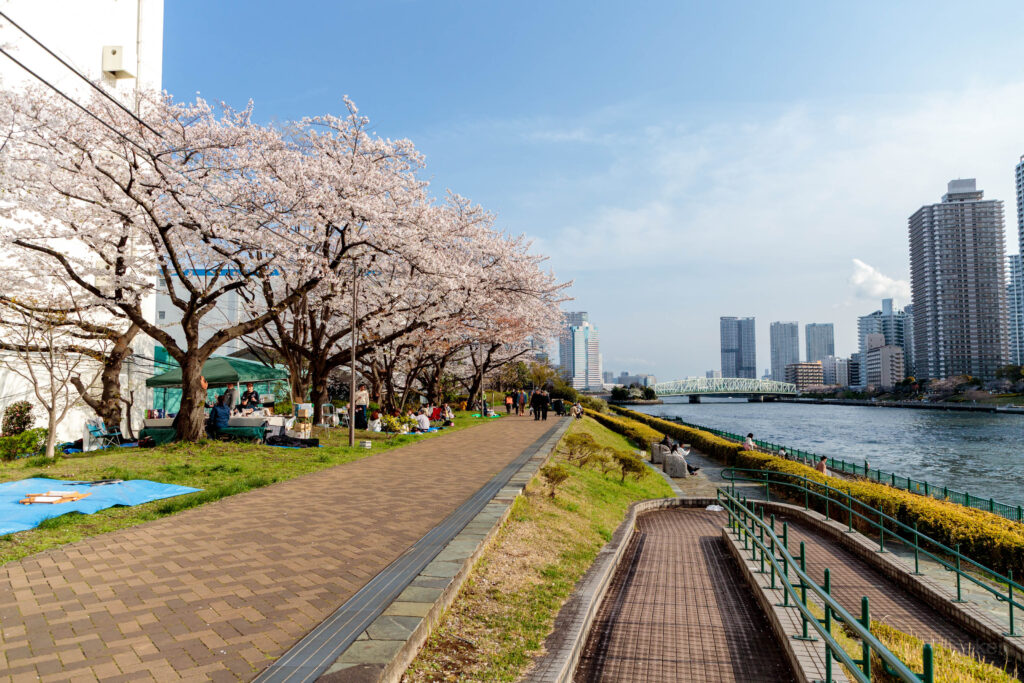
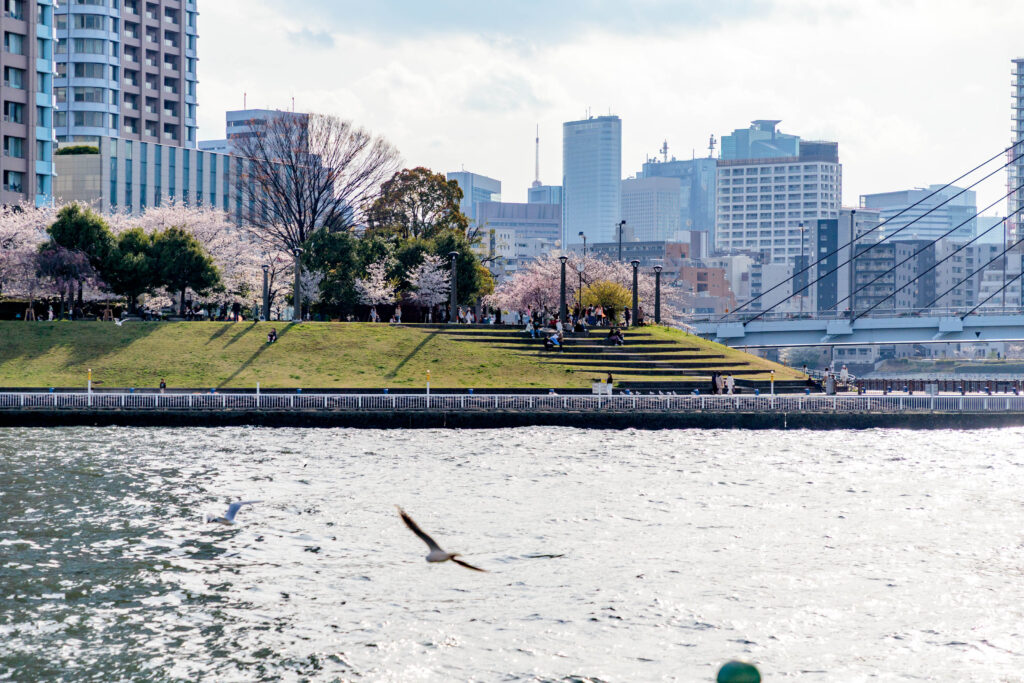
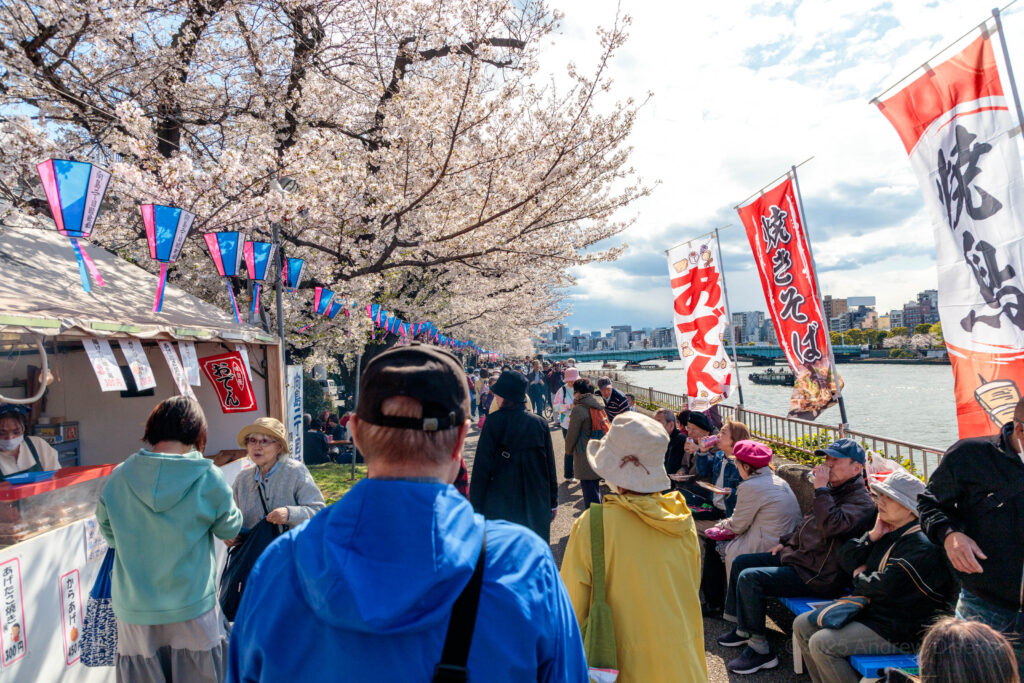
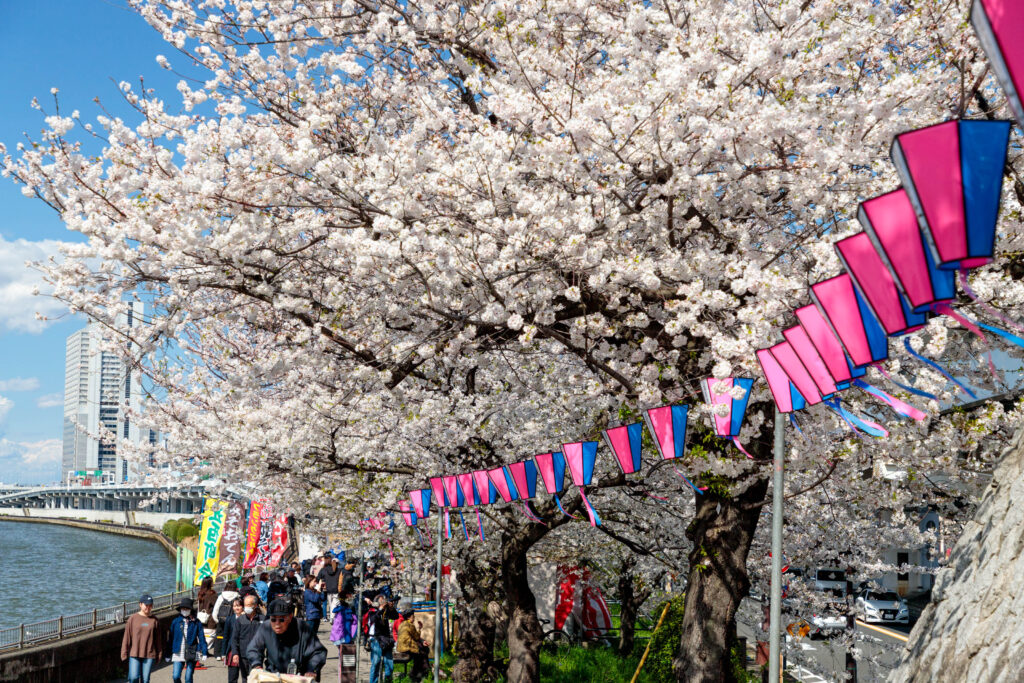
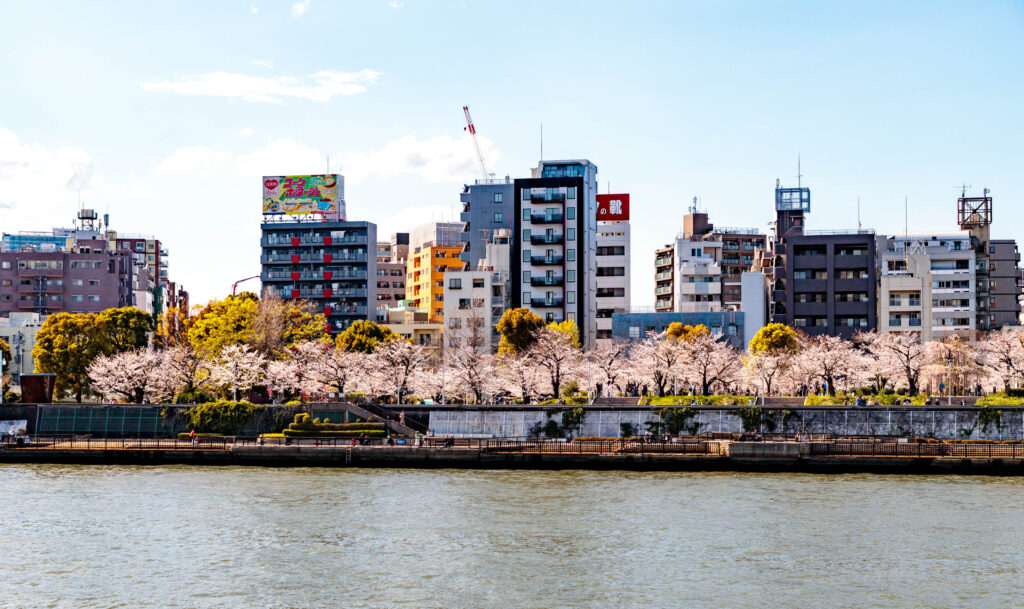
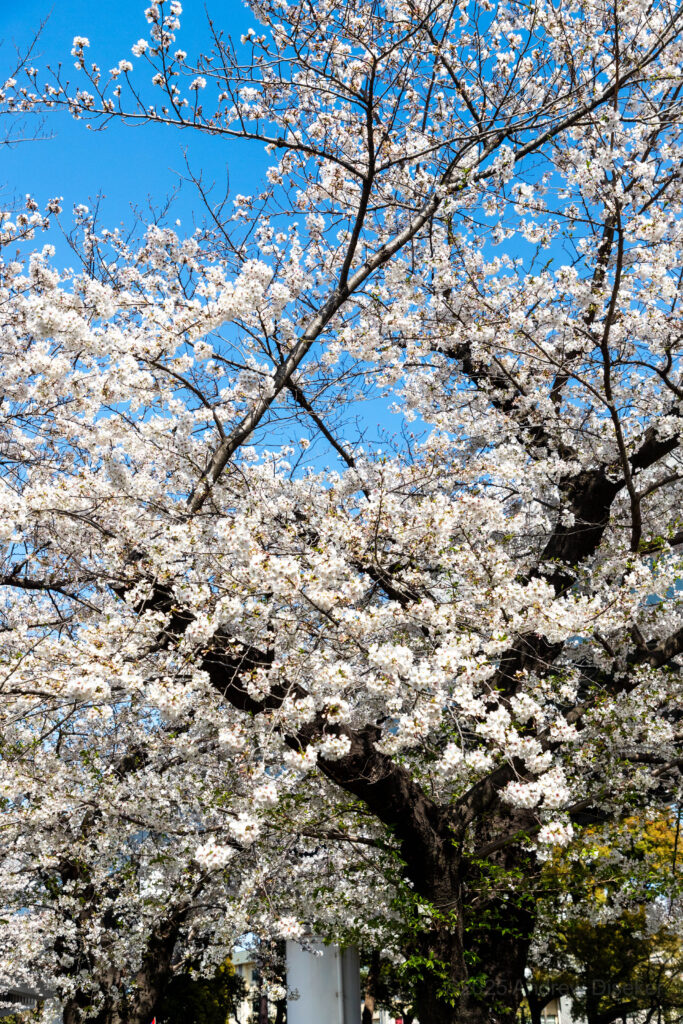
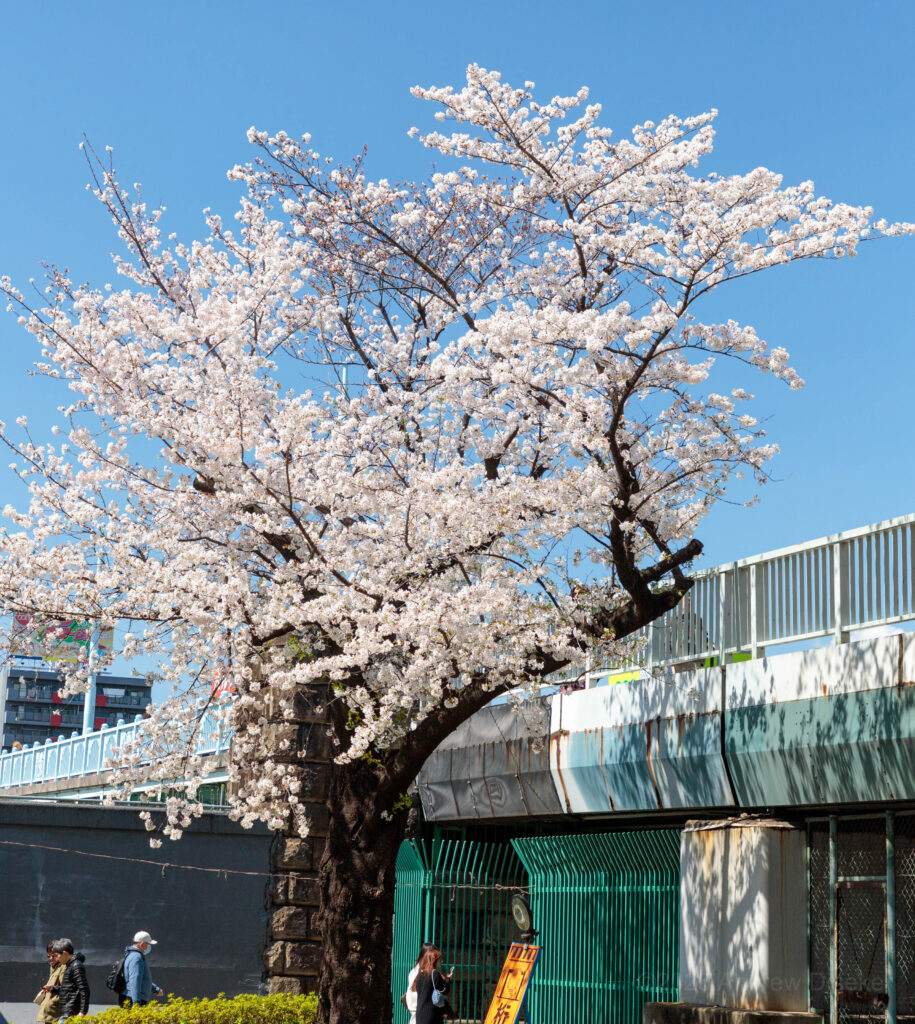
After a short quarter-mile walk towards the river, I reached Sumida Park, which basically has two spaces, a small plaza-like park, where lots of people were enjoying their “hanami”, a couple of shrines, and a long narrow walkway park on both sides of the Sumida River, each side stretching for about a kilometer, 0.6 miles.
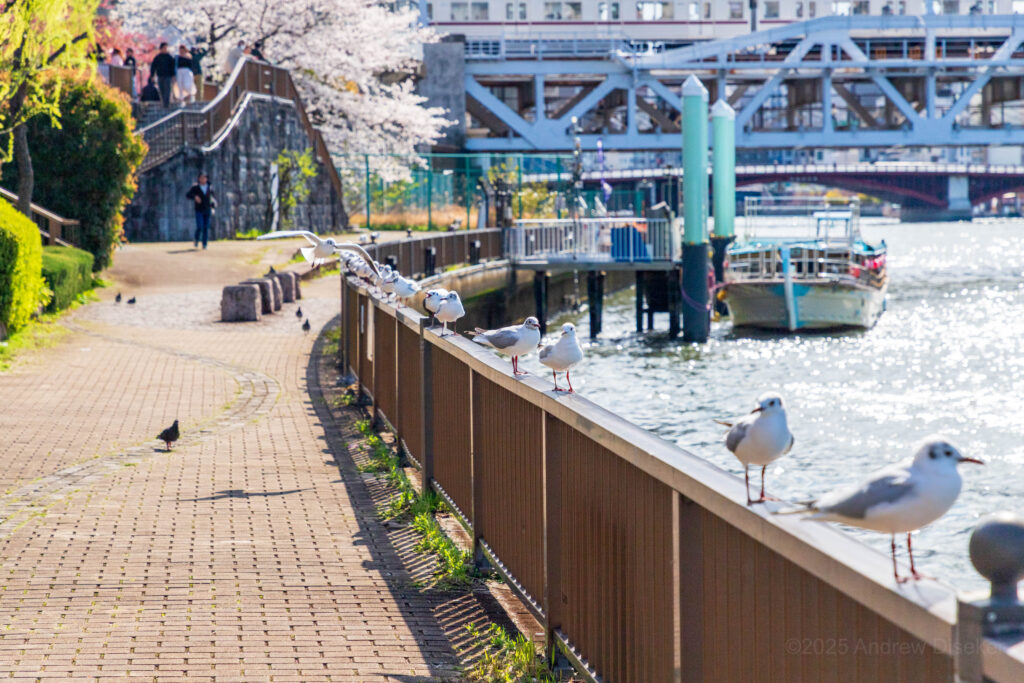
I ended up walking the whole way on both sides, as well as a short time in the plaza part. The walkway is where there were all kinds of booths, selling different kinds of food and drinks, and I got to see the tourboats cruising the river, full of tourists looking at the blossoms on both sides.
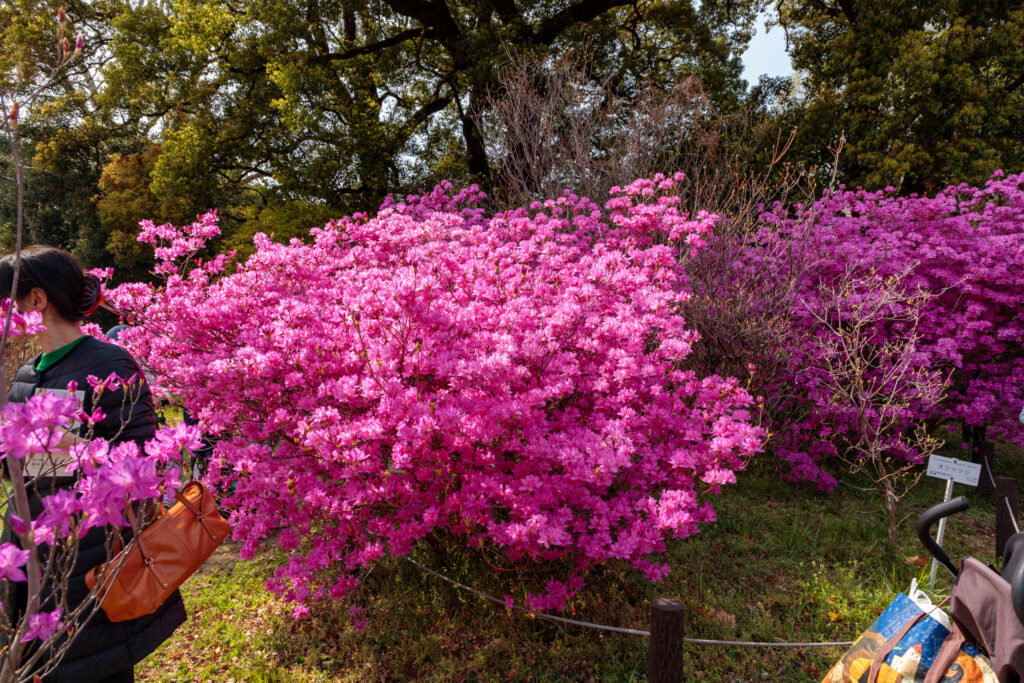
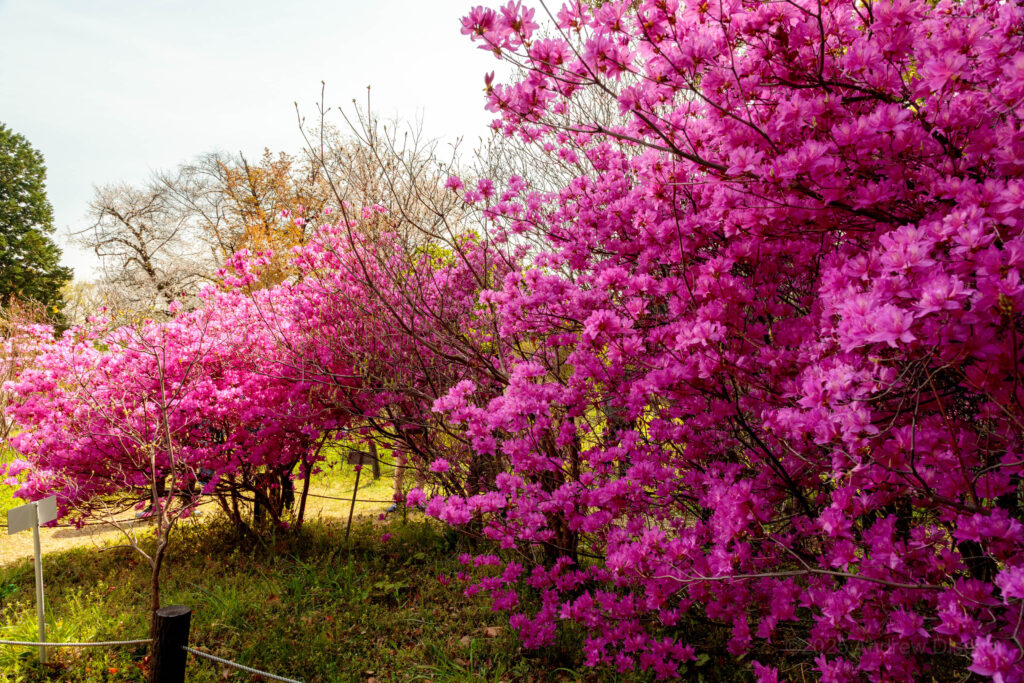
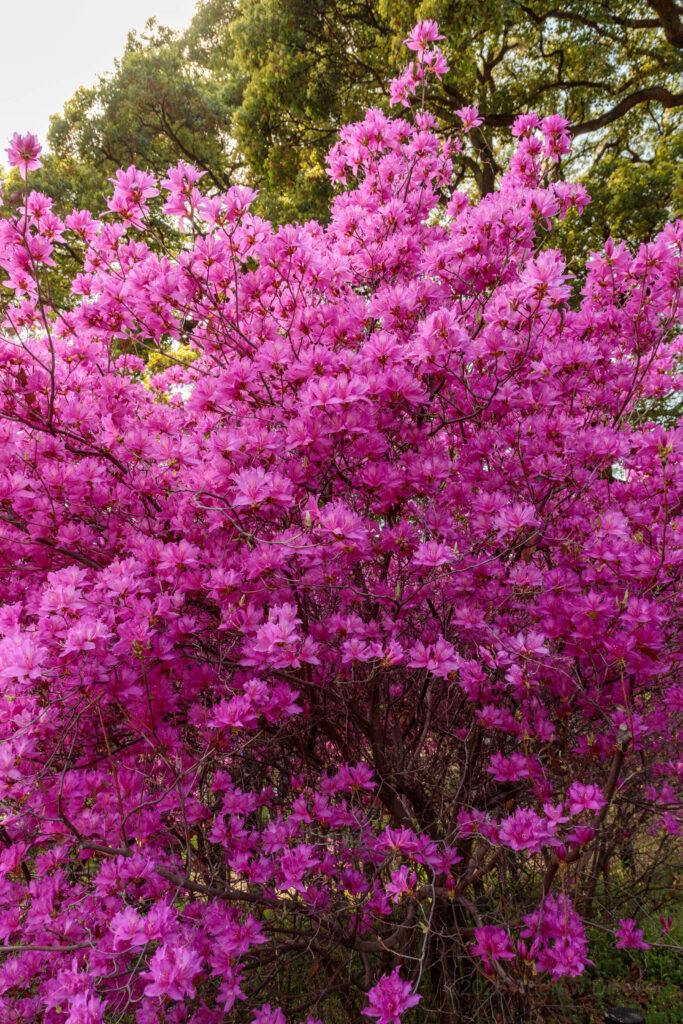
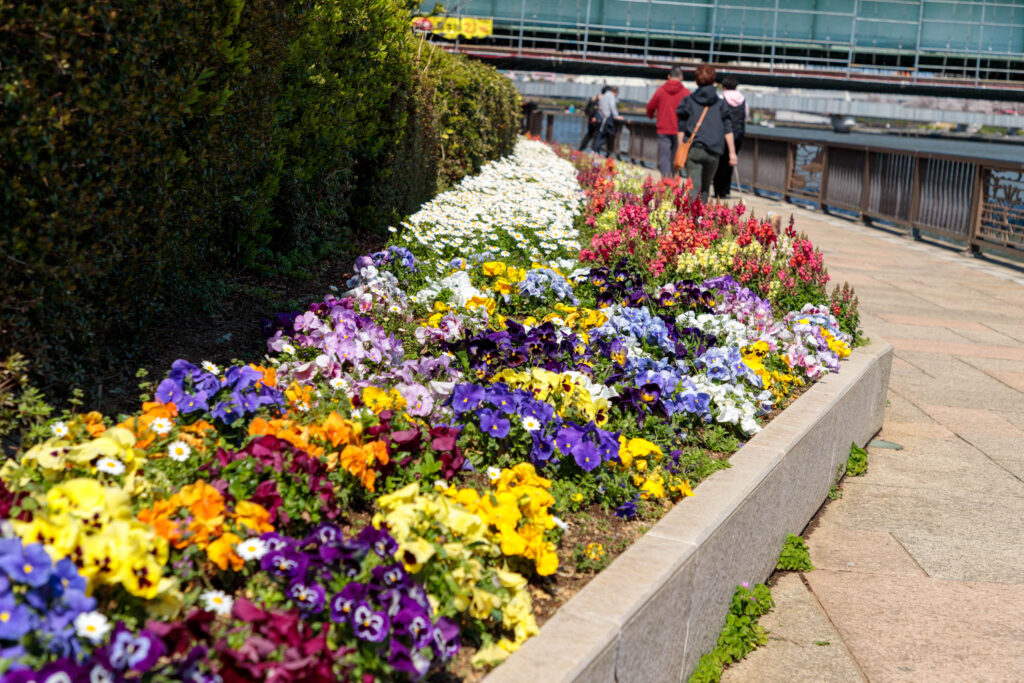
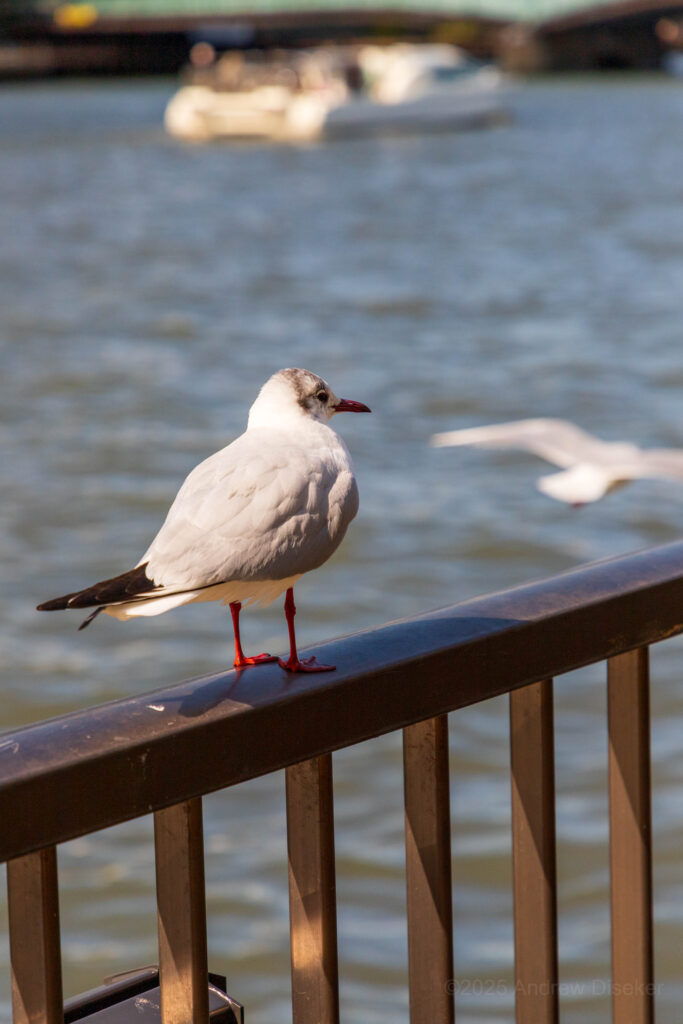
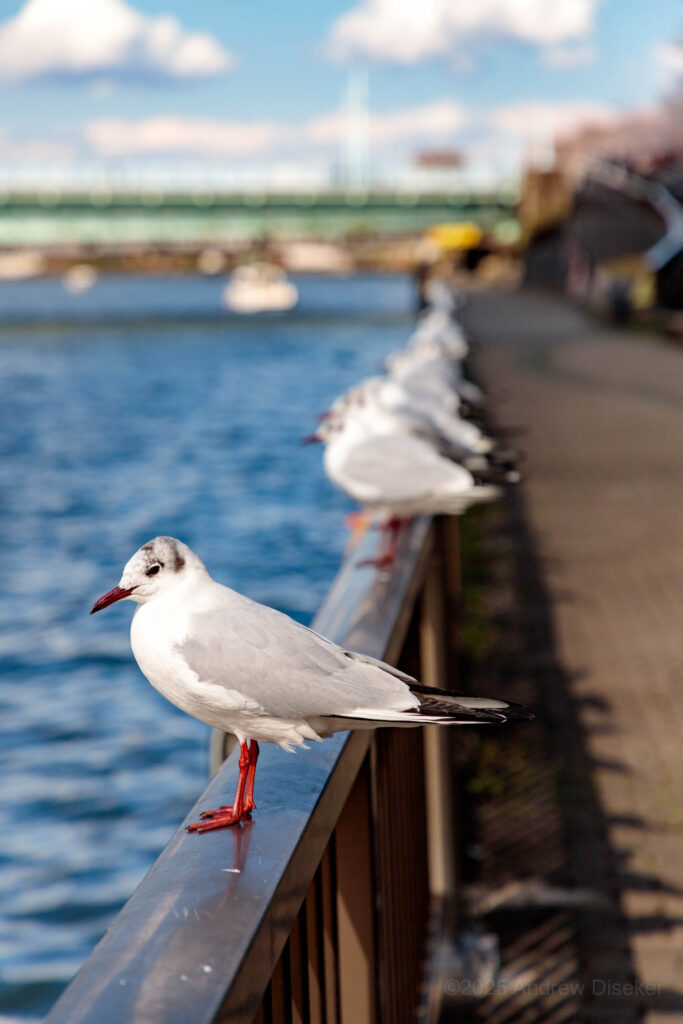
The cherry trees weren’t the only things blooming, of course, there were flower beds all along the river, with all kinds of flowers all blooming at once. It was also kind of neat interacting with the birds, I’ve noticed that the birds are practically tame, they will let you come within a couple of feet of them, and they don’t usually fly away, they kind of walk away, looking at you, as if to say “what, no food? What good are you? I’m outta here!”
So, I ended up going over one of the bridges to Asakusa, to catch a train to Shinjuku Park, another well-known park with lots of cherry trees. But that’s for the next post!